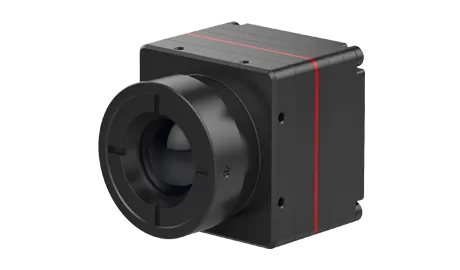
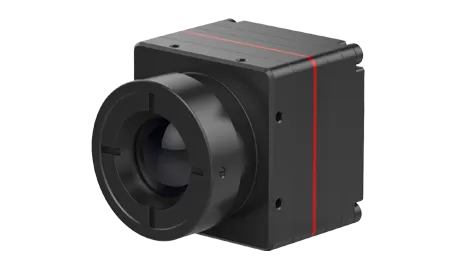
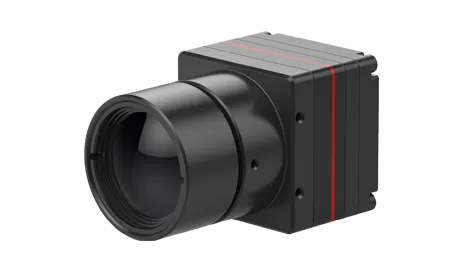
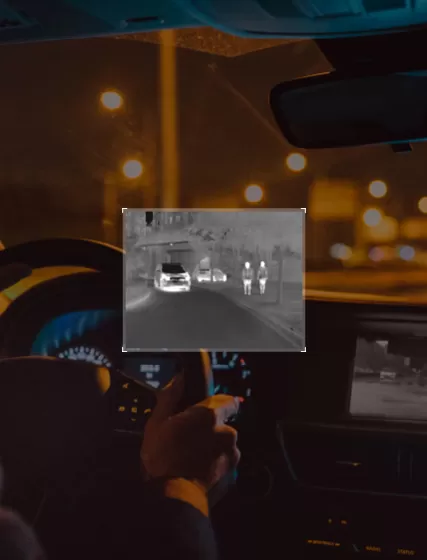
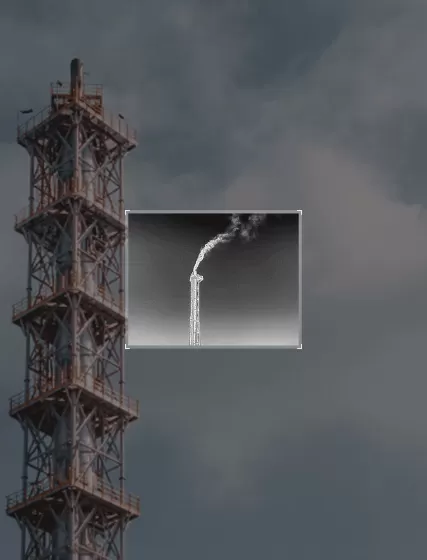
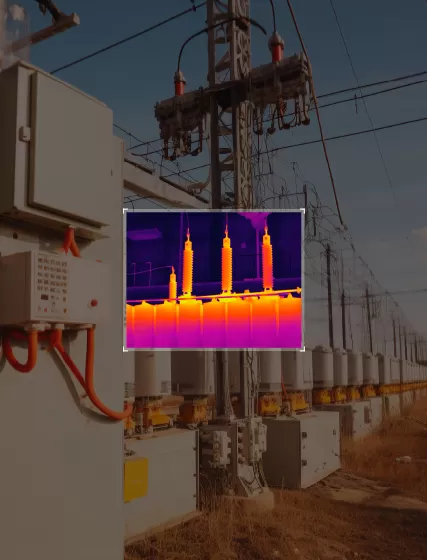
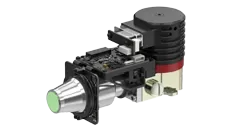
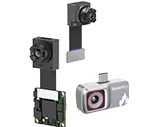
With its non-contact operation, high sensitivity, and real-time dynamic monitoring, infrared thermal imaging is transforming quality control in industrial automation, making it a key enabler of Industry 4.0. Detecting product defects in the early stages of production is crucial for ensuring quality and reducing costs, and thermal imaging can be applied to almost every stage of the manufacturing process.
In PCB production, infrared thermal cameras can simultaneously monitor the temperature distribution of hundreds of components, quickly locating chip overloads, faulty solder joints, and other defects. In injection molding and die-casting, uneven mold temperatures can cause product flaws—thermal imaging enables real-time surface temperature mapping to guide process parameter adjustments.
In power battery manufacturing, infrared analysis reveals the thermal behavior during charging and discharging cycles, helping to optimize energy strategies, improve safety, and prevent thermal runaway incidents.
By providing precise, all-weather, and contact-free temperature visualization, infrared thermal imaging empowers manufacturers to achieve higher efficiency, better product quality, and safer operations.


 CN
CN
 EN
EN