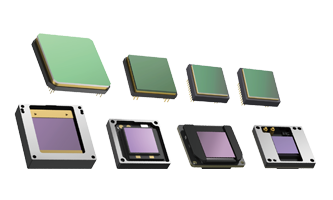
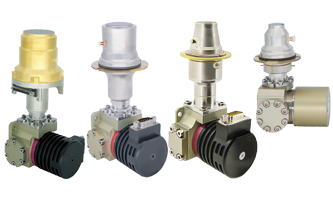
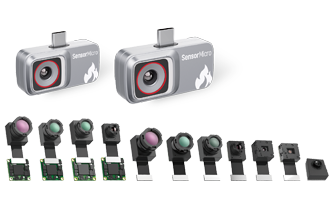
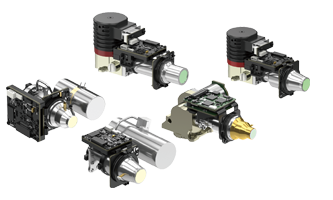
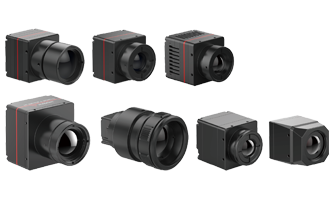
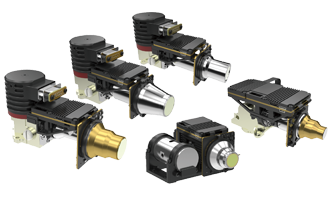
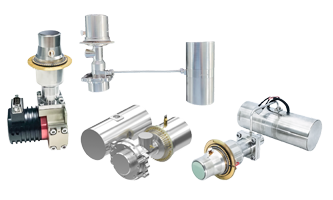
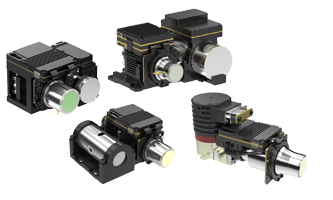
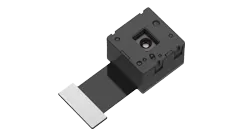
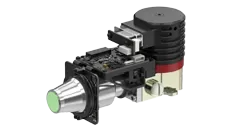
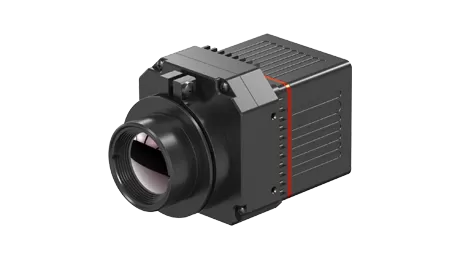
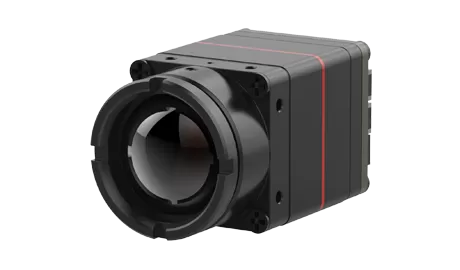
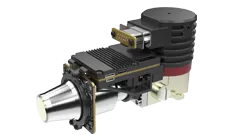
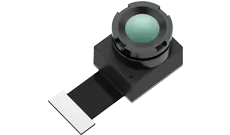
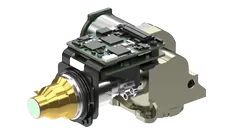
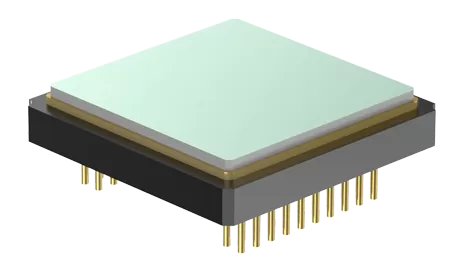
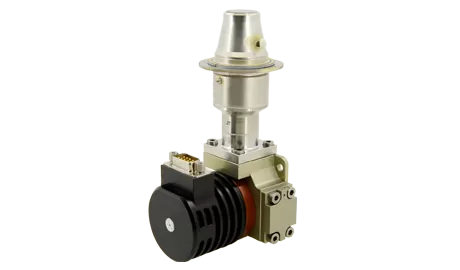
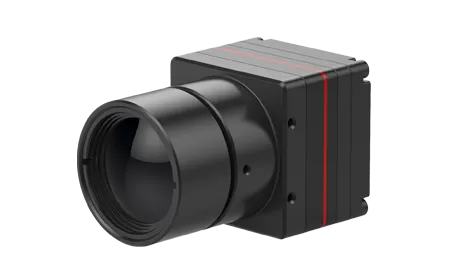
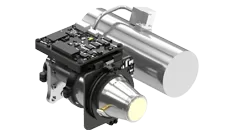
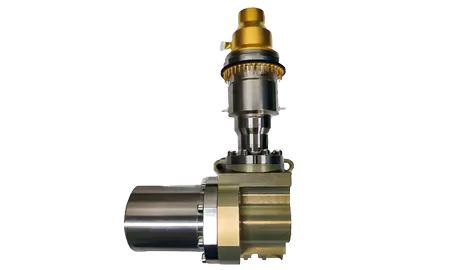
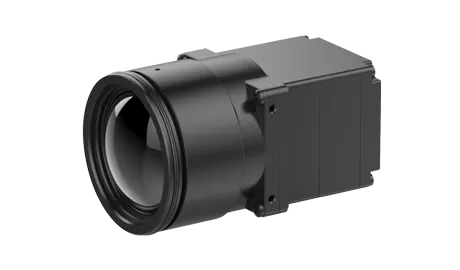
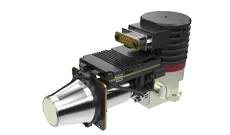
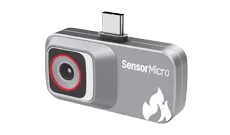
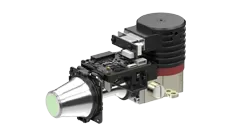
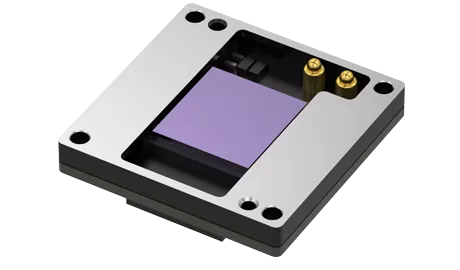
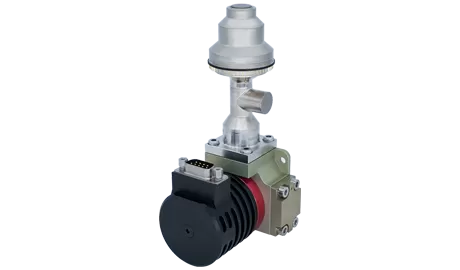
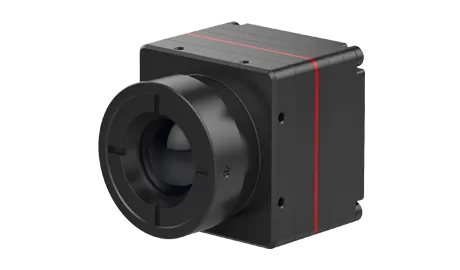
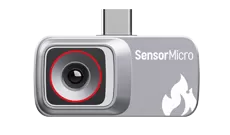
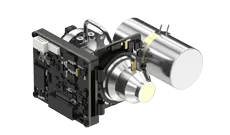
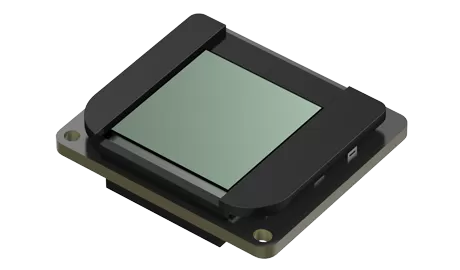
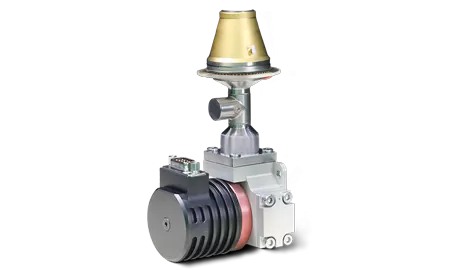
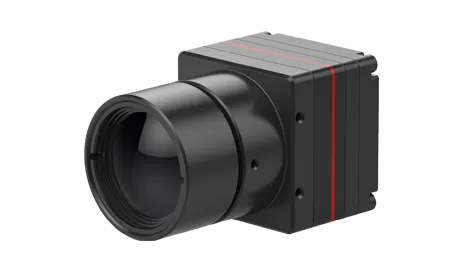
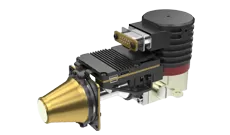
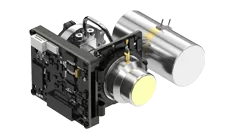
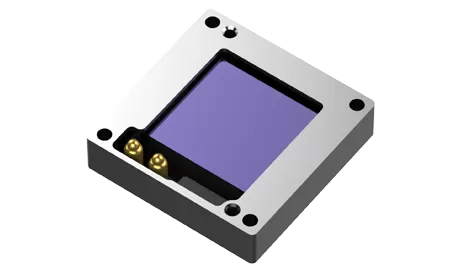
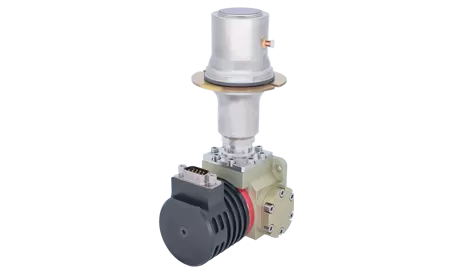
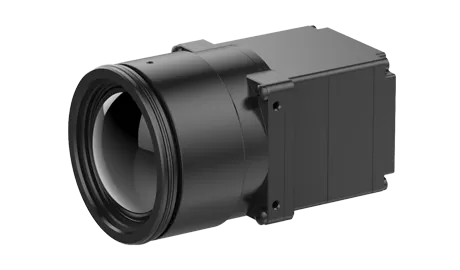
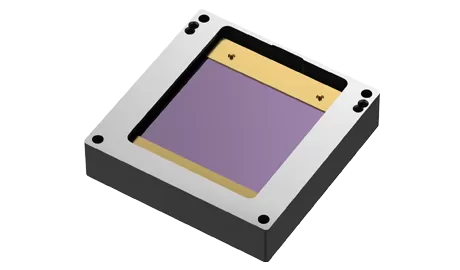
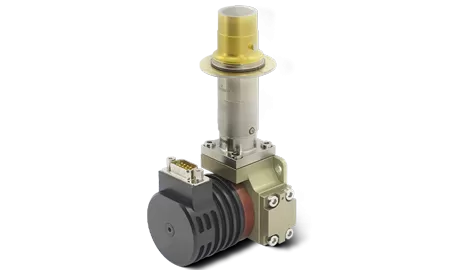
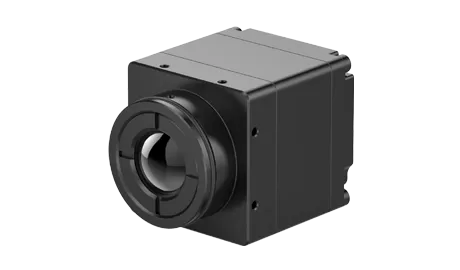
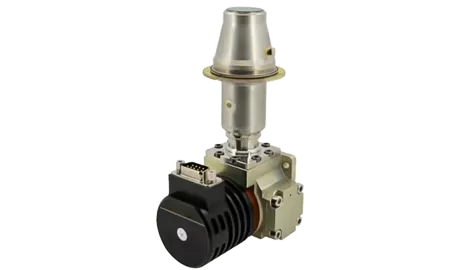
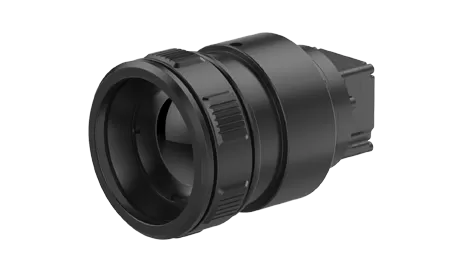
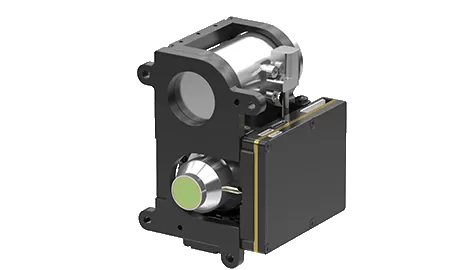
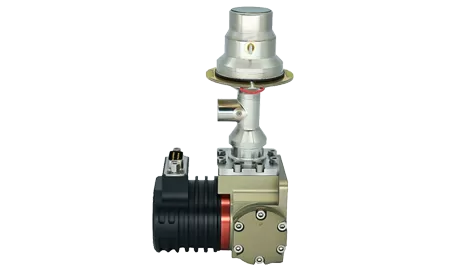
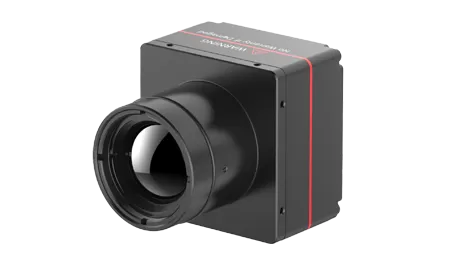
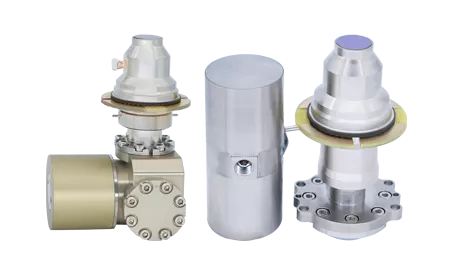
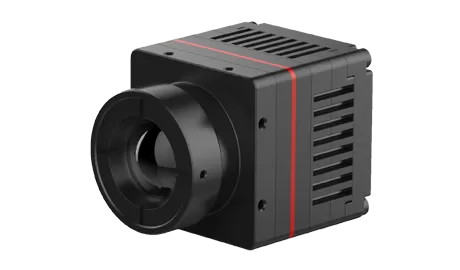
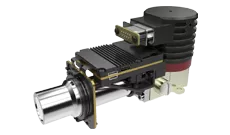
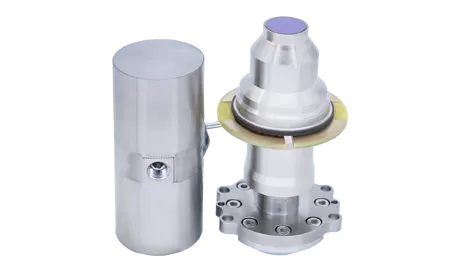
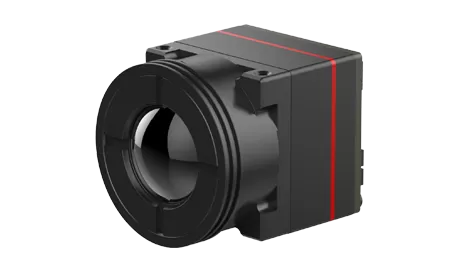
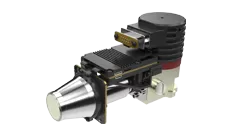
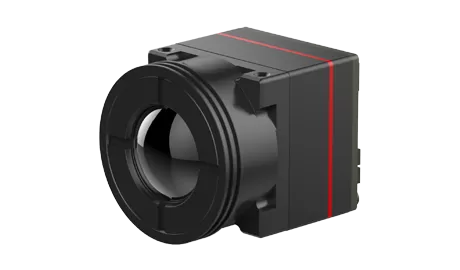
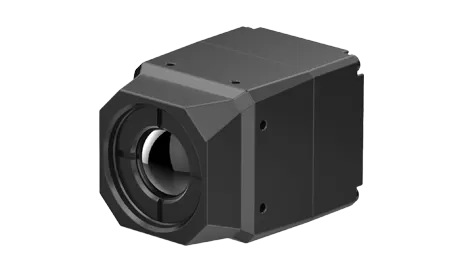
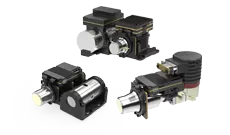
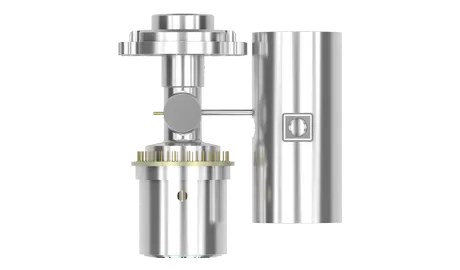
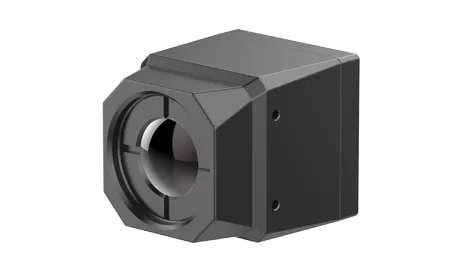
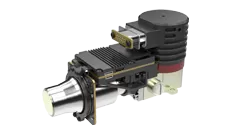
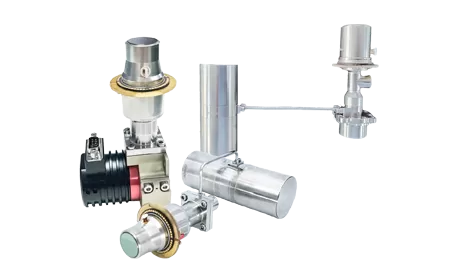
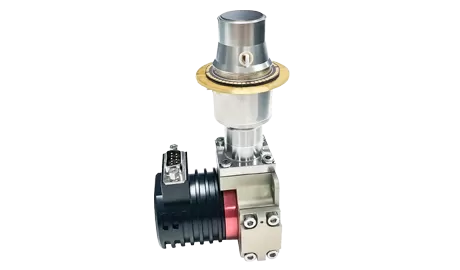
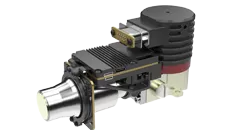
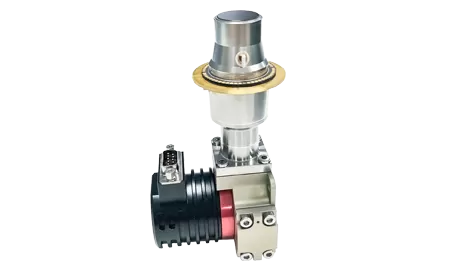
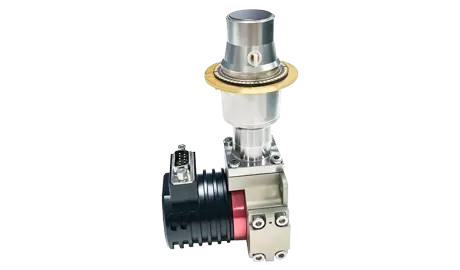
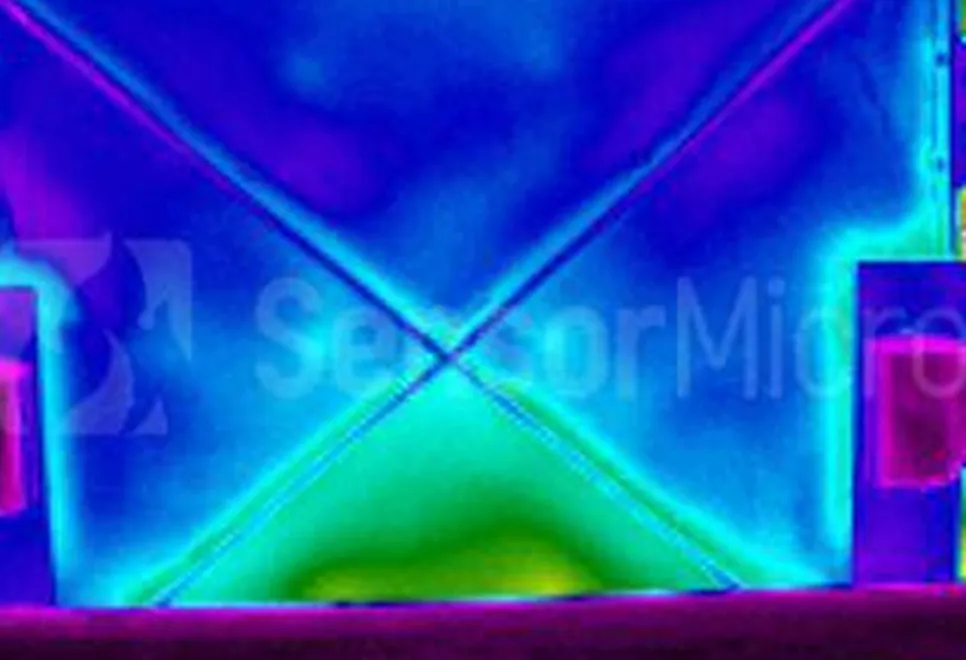
Typical NETD<30mk, High Sensitivity
Mature Technology, Stable Performance
Clear Image Quality & Details
High Detection Sensitivity, Typical NETD < 30mK
Energy Efficient:<180mW
Lightweight Structure
Real-time Temperature Measurement
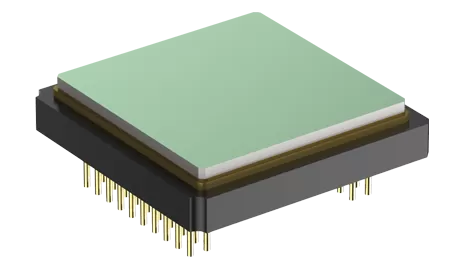
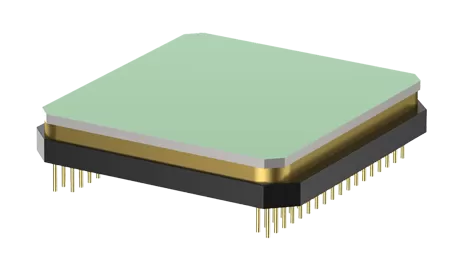
Wafer-Level Packaging
Comprehensive Functionality, Cost-Effective Design
1280×1024/10μm
LWIR with Resilience Against Interference
Rich Interfaces, Easy Integration
Infrared thermal imaging technology is a non-contact sensing technique that detects and visualizes the thermal radiation emitted by objects. Any object with a temperature above absolute zero (−273.15 °C) continuously emits infrared energy, and the intensity of this radiation increases with temperature. Infrared thermal imaging systems capture this invisible radiation and convert it into a visible thermal image that represents the temperature distribution across the target surface.
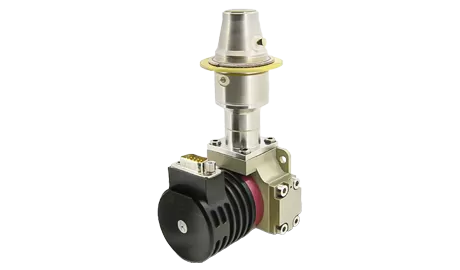
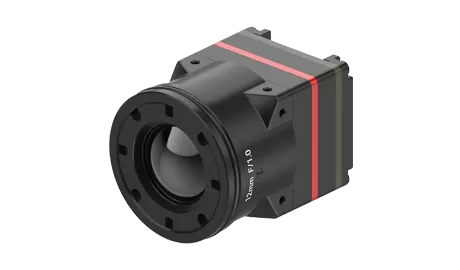
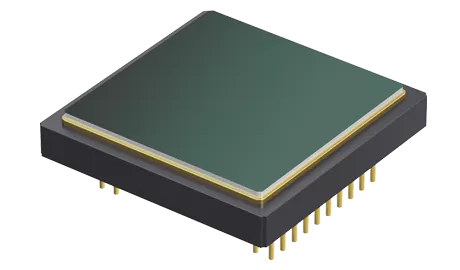
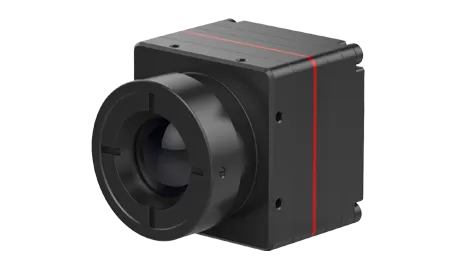
A typical infrared thermal imaging system consists of an optical lens, an infrared detector, signal-processing electronics, and image-processing algorithms. The optical system focuses infrared radiation from the observed scene onto a detector array. The detector converts the incoming infrared energy into electrical signals, which are then amplified, processed, and transformed into thermal images or temperature data. Each pixel in the resulting thermal image corresponds to a temperature measurement, enabling precise and real-time visualization of thermal patterns.
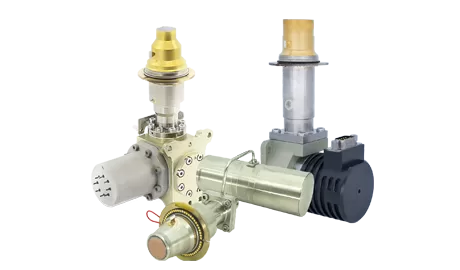
Modern infrared imaging technology operates mainly in the mid-wave infrared (MWIR, 3–5 μm) and long-wave infrared (LWIR, 8–14 μm) spectral bands, where atmospheric transmission is high and thermal radiation from objects is most detectable. Depending on the detector design, systems may employ cooled photon detectors for high sensitivity and long-range detection, or uncooled microbolometer detectors for compact, low-power, and cost-effective solutions.
Because it can operate effectively in total darkness and challenging environmental conditions, this capability is widely used in industrial monitoring, predictive maintenance, security and surveillance, energy inspection, environmental monitoring, and gas detection applications.