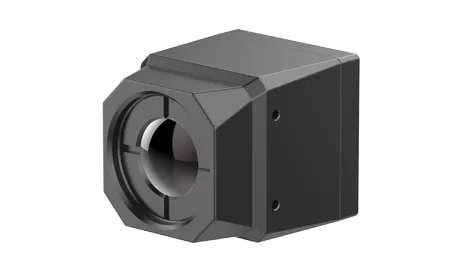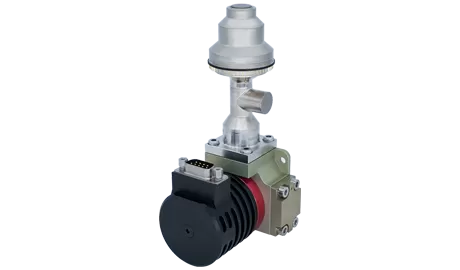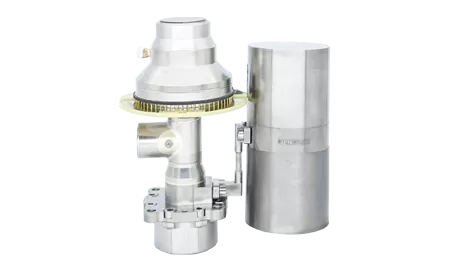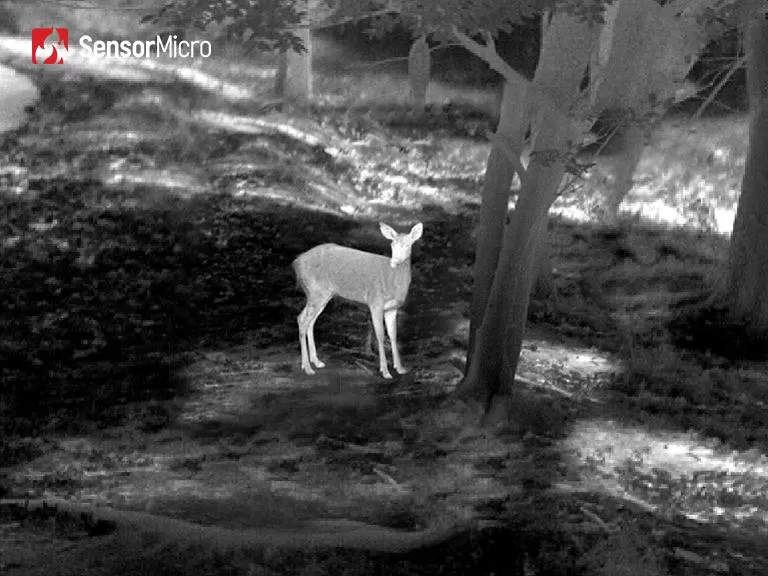
In natural reserves and remote ecosystems, wildlife is most active at night or in complex environments such as dense forests, wetlands, and mountainous terrain. Traditional monitoring methods—like visible-light cameras or manual patrols—often struggle to provide continuous, reliable data. Infrared thermal imaging technology is changing that by enabling researchers and conservationists to detect animals based on their heat signatures, without relying on visible light.
Unlike conventional imaging systems, thermal cameras detect infrared radiation emitted by living organisms. This means animals can be located even in complete darkness, thick vegetation, fog, or smoke. As a result, thermal imaging has become an essential tool in modern ecological protection. Key advantages include 24/7 monitoring capability, works equally well day and night; non-invasive observation, no disturbance to wildlife behavior; enhanced detection accuracy, identifies animals hidden in dense habitats; and real-time surveillance, immediate detection of movement or anomalies.
Applications in Animal Monitoring and Research
1. Nocturnal Wildlife Observation
Many species are nocturnal, making them difficult to study using traditional tools. Thermal imaging allows researchers to track animal movements at night, observe behavioral patterns, and identify habitats without intrusive lighting.
2. Population Surveys and Biodiversity Assessment
By detecting heat signatures over wide areas, conservation teams can conduct more accurate population counts. This is particularly useful for endangered or elusive species, improving data quality for ecological studies and policy decisions.
3. Habitat Utilization Analysis
Thermal imaging helps scientists understand how animals interact with their environment—where they feed, migrate, or rest—providing insights into ecosystem dynamics and habitat preferences.
4. Strengthening Anti-Poaching Efforts
Illegal poaching remains a major threat to wildlife worldwide. Infrared thermal imaging significantly enhances patrol capabilities.
Early Detection of Intruders: Identifies human presence in restricted areas, even in total darkness
Improved Patrol Safety: Rangers can assess threats from a safe distance
Wide-area Surveillance: Covers large regions efficiently, especially when integrated with drones
By enabling faster and more accurate responses, thermal technology becomes a powerful ally in protecting endangered species.
Modern conservation efforts increasingly combine thermal imaging with mobile sensing systems for aerial surveillance, AI algorithms for automatic animal detection and classification, and IoT monitoring systems for real-time data transmission. This integration allows for scalable, intelligent wildlife monitoring systems, reducing manpower requirements while increasing efficiency.
Infrared thermal imaging is transforming wildlife conservation by enabling continuous, non-invasive, and highly efficient monitoring. From nocturnal animal tracking to anti-poaching surveillance, this technology empowers researchers and rangers to better understand and protect biodiversity. As technology continues to evolve, thermal imaging will play an even greater role in ensuring that science becomes a true guardian of all living beings.


 CN
CN
 EN
EN