In the context of global carbon peaking and carbon neutrality goals, improving energy efficiency and reducing energy loss have become the core of low-carbon development. As the world strives to build a sustainable energy system, infrared technology has emerged as a powerful tool, providing precise support for energy conservation and carbon reduction through visualized temperature distribution and accurate temperature measurement.
Traditional energy monitoring methods often face limitations such as low efficiency, poor accuracy, and difficulty in identifying hidden problems. In contrast, radiometric thermography enables non-contact, real-time detection of temperature changes, making it easy to capture abnormal temperature areas that are invisible to the naked eye. This technology converts invisible infrared radiation into visible thermal images, allowing managers to intuitively grasp the temperature distribution of equipment and buildings, and quickly locate potential energy loss points and equipment faults.
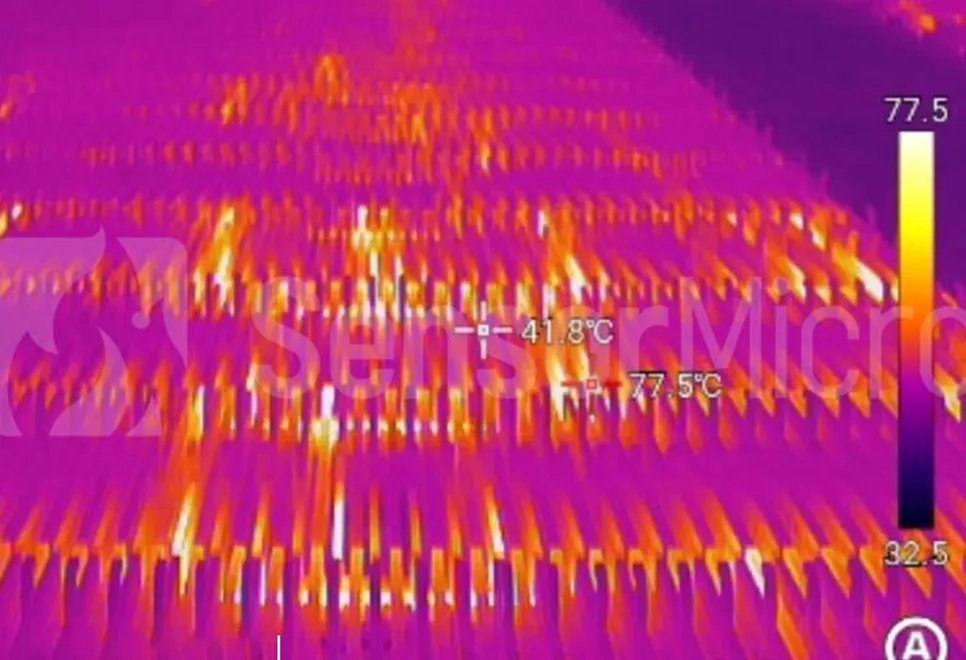
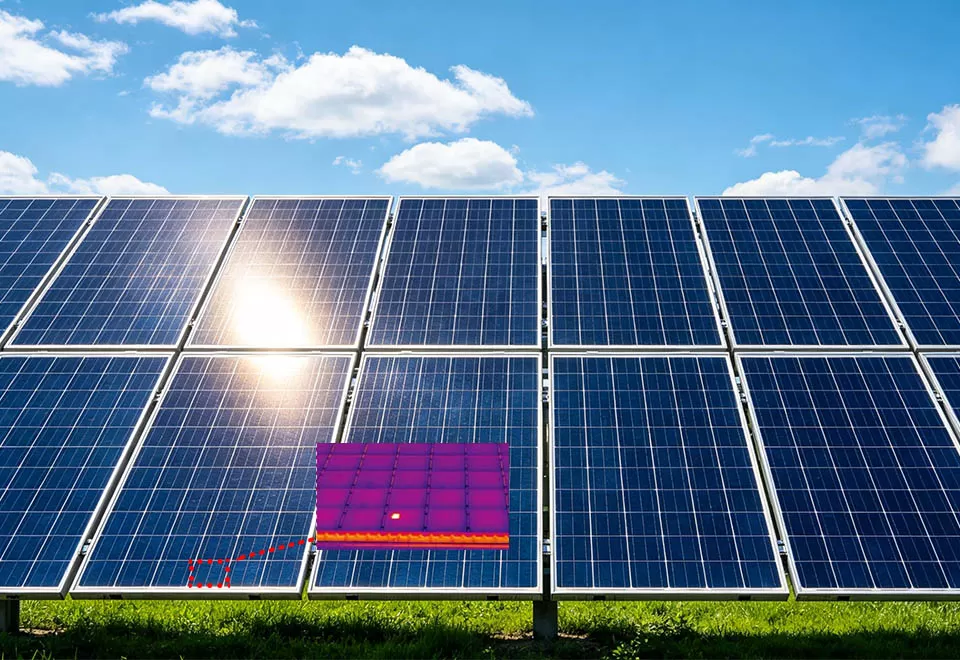
The application of infrared technology in the energy sector covers multiple key scenarios, bringing significant energy-saving effects and promoting the realization of low-carbon goals. In photovoltaic power plants, where energy efficiency directly affects power generation benefits, thermography plays a crucial role in detecting hot spots on photovoltaic modules. These hot spots, often caused by component damage or shading, can lead to reduced power generation efficiency and even shortened service life of modules. With infrared thermographic detection, workers can quickly identify hot spot areas, take targeted maintenance measures, and effectively improve the overall power generation efficiency of the photovoltaic system.
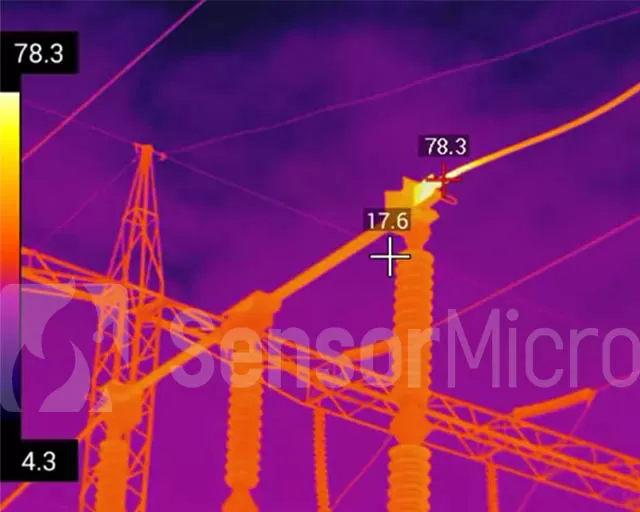
In the power transmission and distribution field, abnormal temperature of equipment such as transformers, switches, and cables is a major hidden danger affecting system stability and energy loss. Radiometric infrared detection technology can accurately measure the temperature of power equipment during operation, timely identify overheating hidden dangers caused by poor contact, overload, or aging. By addressing these problems proactively, it not only ensures the safe and stable operation of the power transmission and distribution system but also reduces unnecessary energy consumption caused by equipment faults, further improving energy utilization efficiency.
Beyond the energy generation and transmission sectors, infrared technology also plays an important role in industrial production and building energy conservation. In industrial scenarios, temperature measurement based on infrared thermography can monitor the operation status of production equipment in real time, detect abnormal temperature caused by equipment wear, poor heat dissipation, or other issues, and help enterprises optimize production processes to reduce energy waste. In the construction field, infrared thermographic detection can identify heat loss points in building envelopes, such as gaps in exterior walls and windows, guiding the optimization of building insulation measures. This not only improves indoor comfort but also reduces the energy consumption of heating and air conditioning, achieving the goal of building energy conservation.
The core advantage of infrared technology lies in its precision and efficiency. Compared with traditional detection methods, thermography can complete large-scale detection in a short time, reduce manual inspection costs, and avoid the risk of manual misjudgment. Its non-contact detection method also ensures the safety of detection work, especially in high-temperature, high-voltage, or harsh environments. With the continuous advancement of technology, radiometric thermography is becoming more intelligent and portable, further expanding its application scope in energy conservation and carbon reduction.
In the journey towards carbon neutrality, every improvement in energy efficiency is a step forward in sustainable development. Infrared technology, with its unique advantages in temperature measurement, abnormal temperature identification, and energy loss monitoring, is becoming an indispensable technical support for energy conservation and carbon reduction. It not only helps enterprises reduce energy costs and improve operational efficiency but also contributes to the global low-carbon cause by reducing carbon emissions.
Looking ahead, as infrared technology continues to innovate and develop, it will play a more important role in promoting energy structure optimization and improving energy utilization efficiency. Whether in photovoltaic power generation, power transmission and distribution, industrial production, or building energy conservation, radiometric thermography will continue to inject technological momentum into low-carbon development, helping humans move towards a greener and more sustainable future.


 CN
CN
 EN
EN