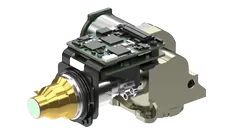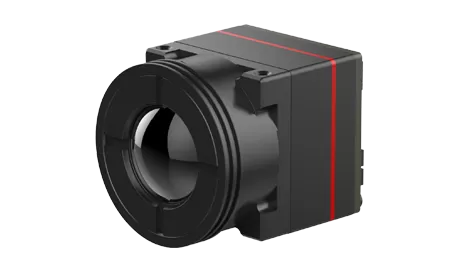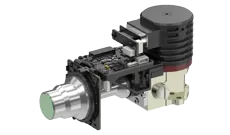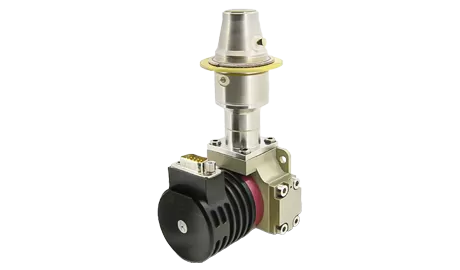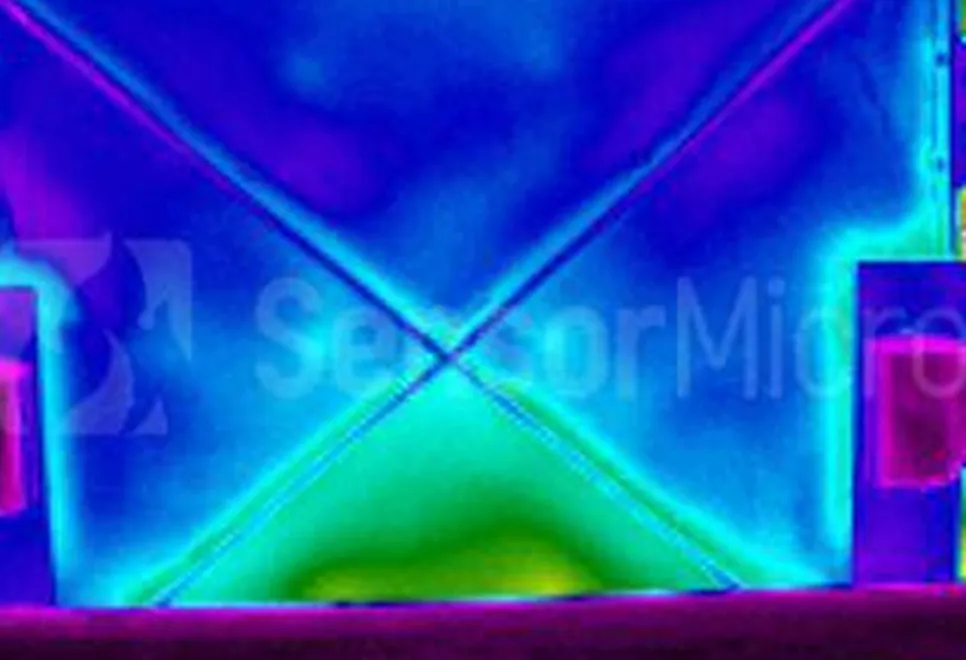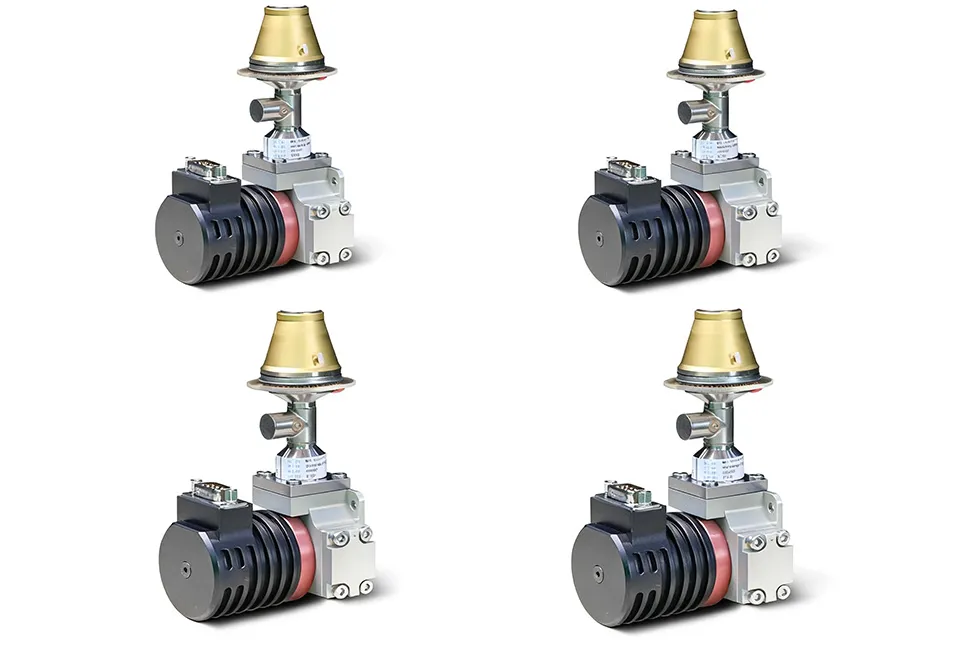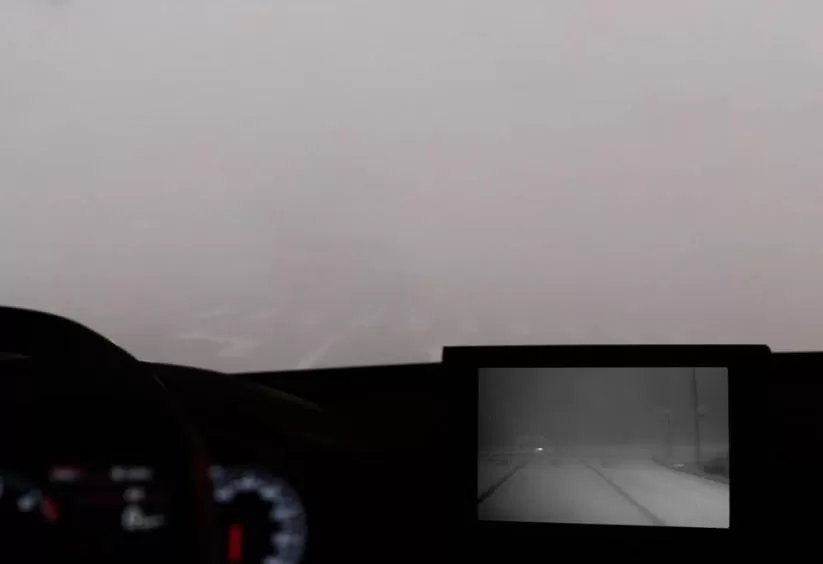
In environments where visibility is compromised—whether by total darkness, heavy fog, rain and snow, or thick dust—traditional detection technologies often fail, leaving critical operations at risk. This is where infrared detector technology shines, serving as a reliable solution for industries that operate in the most challenging conditions. Infrared technology, the backbone of modern thermal imaging systems, enables infrared detectors to transcend the limitations of visible light, capturing heat signatures that remain invisible to the human eye and standard cameras. This article explores the best infrared detectors for low-light and harsh environments, their key advantages, real-world applications across industries, and how they leverage thermal imaging to deliver consistent performance when it matters most.
Unlike visible light cameras, which rely on ambient light to produce images, infrared detectors operate by sensing infrared radiation (heat) emitted by all objects with a temperature above absolute zero. This means they function seamlessly in total darkness, where even high-powered flashlights or night-vision goggles struggle to provide clear visibility. Moreover, infrared technology is uniquely equipped to cut through environmental obscurants like heavy fog, rain and snow, and dust—common challenges that render traditional sensors ineffective.
The key advantages of high-quality infrared detectors in low-light and harsh environments are rooted in their design and the power of infrared technology. First and foremost, they offer unmatched visibility in total darkness, eliminating the need for external lighting that can be impractical, costly, or dangerous in sensitive operations. Unlike night-vision devices that require minimal ambient light to function, infrared detectors operate passively, capturing heat signatures without emitting any light themselves, making them ideal for covert or low-profile applications. Second, they excel in penetrating heavy fog, rain and snow: while these conditions scatter visible light and blur images, infrared wavelengths (particularly long-wave infrared, LWIR) are far less affected, allowing detectors to maintain clear imaging even in dense fog or heavy snowfall. Third, rugged construction is a hallmark of the best infrared detectors—they are built to withstand extreme temperatures, moisture, dust, and physical impact, ensuring durability in industries like oil and gas, mining, and outdoor security where harsh conditions are the norm.
Another critical advantage is high thermal sensitivity, measured by Noise Equivalent Temperature Difference (NETD). Top-tier infrared detectors boast NETD values below 40 mK (millikelvin), with high-end models reaching under 20 mK, enabling them to detect even the smallest temperature differences in low-contrast environments. This sensitivity is crucial for identifying subtle heat signatures in total darkness or heavy fog, such as a human figure, a malfunctioning piece of equipment, or a hidden hotspot. Additionally, modern infrared detectors integrate seamlessly with thermal imaging systems, converting captured infrared radiation into clear, actionable thermal maps that highlight temperature variations—making it easy for operators to identify targets, anomalies, or potential hazards at a glance.
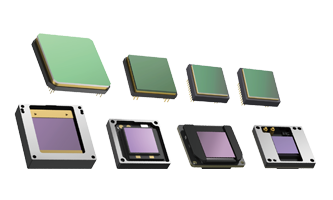
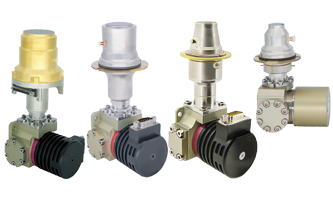
When it comes to the best infrared detectors for low-light and harsh environments, uncooled microbolometer-based detectors stand out as the most reliable choice for most industrial and commercial applications. Unlike cooled infrared detectors, which require cryogenic cooling systems (making them bulky, expensive, and prone to failure in harsh conditions), uncooled infrared detectors operate at room temperature, offering greater durability, lower power consumption, and a more compact design.
The versatility of infrared detectors means they are widely used across industries that operate in low-light or harsh environments, each leveraging infrared technology and thermal imaging to solve unique challenges. One of the most prominent industries is security and surveillance, where infrared detectors are integrated into fixed cameras, handheld thermal imaging devices, and border monitoring systems. In total darkness or heavy fog, these detectors can identify intruders, monitor critical infrastructure, and ensure perimeter security without the need for visible lighting—reducing light pollution and maintaining covert operations. For border security, in particular, infrared detectors enable 24/7 monitoring of remote, unlit areas, detecting illegal crossings even in rain and snow or dense fog.
The oil and gas industry is another major adopter, as it operates in some of the harshest environments on Earth—from offshore platforms exposed to rain, snow, and heavy fog to refineries with dust and extreme temperatures. Infrared detectors are used to monitor pipelines for leaks, detect gas emissions, and inspect equipment for overheating, all while withstanding corrosive environments and harsh weather. In these high-risk settings, the ability to operate in total darkness and penetrate heavy fog is critical for preventing accidents, protecting workers, and minimizing environmental damage.
Mining is yet another industry that relies heavily on infrared detectors. Underground mines are often engulfed in total darkness, dust, and moisture, making traditional visibility tools useless. Infrared detectors integrated into handheld thermal imaging devices and mine robots help miners navigate dark tunnels, detect hidden fires or gas leaks, and monitor equipment for overheating—enhancing safety and operational efficiency. Similarly, the power and energy sector uses infrared detectors to inspect substations, transmission lines, and renewable energy infrastructure (such as solar panels and wind turbines) in low-light or harsh weather, identifying potential failures before they lead to costly outages or accidents.
Search and rescue operations also benefit greatly from the best infrared detectors. In total darkness, heavy fog, or rain and snow, rescuers rely on thermal imaging powered by infrared detectors to locate missing persons, even when they are hidden under debris or in remote areas. Unlike visible light cameras, infrared detectors can detect the heat signature of a human body or animal, cutting through obscurants and reducing search time—often mean the difference between life and death. For maritime operations, infrared detectors are integrated into ship-based systems to aid navigation in total darkness or heavy fog, prevent collisions, and locate overboard individuals in cold water, where heat signatures are still detectable despite rain and snow.
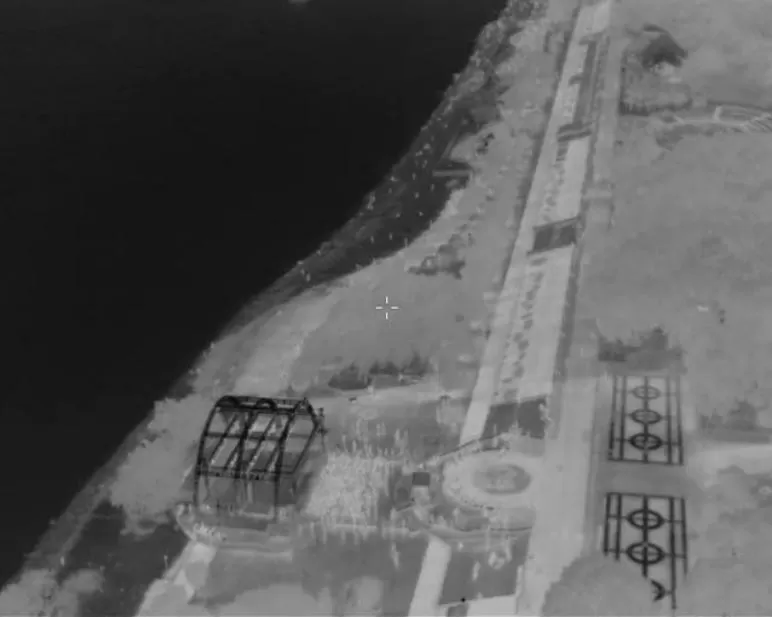
The manufacturing and industrial sector also uses infrared detectors to monitor production lines and machinery in harsh environments. Factories with dust, high temperatures, or low lighting rely on these detectors to spot equipment anomalies—such as overheating motors or faulty connections—without interrupting operations, reducing downtime and enhancing workplace safety. Additionally, the building and construction industry uses infrared detectors to identify hidden issues like insulation gaps or water leaks, even in low-light basements or foggy construction sites, ensuring compliance with energy efficiency standards and preventing structural damage.
When selecting the best infrared detector for low-light and harsh environments, several factors should be considered. Thermal sensitivity (NETD) is critical for detecting subtle heat signatures, while resolution determines the clarity of thermal imaging outputs. Ruggedness—including resistance to water, dust, and extreme temperatures—is essential for durability in harsh conditions, with many top models featuring IP67 or higher ratings and wide operating temperature ranges (from -40°C to +85°C). Additionally, compatibility with thermal imaging systems and other equipment (such as robots or surveillance cameras) ensures seamless integration into existing operations.
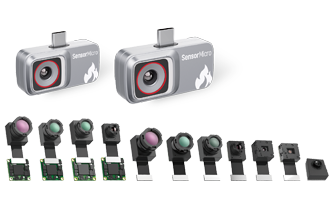
As infrared technology continues to advance, the capabilities of infrared detectors in low-light and harsh environments are only improving. Modern detectors offer higher resolution, faster image processing, and integration with artificial intelligence (AI) to automate threat detection and anomaly identification, reducing the need for manual monitoring. They are also becoming more compact and energy-efficient, making them suitable for portable applications like handheld devices, which are increasingly used in remote or hard-to-reach areas.
In conclusion, the best infrared detectors for low-light and harsh environments are powerful tools that leverage infrared technology and thermal imaging to overcome the limitations of traditional detection systems. Their ability to operate in total darkness, penetrate heavy fog, rain and snow, and withstand extreme conditions makes them indispensable across a wide range of industries—from security and oil and gas to mining and search and rescue. By prioritizing thermal sensitivity, rugged construction, and compatibility, businesses and organizations can select infrared detectors that deliver reliable performance, enhance safety, and optimize operations in even the most challenging environments. As infrared technology evolves, these detectors will continue to play a critical role in ensuring visibility and safety where it matters most.


 CN
CN
 EN
EN