Medical diagnostics is the cornerstone of maintaining human health, enabling early detection of diseases, accurate assessment of physical conditions, and targeted treatment plans. In recent years, infrared technology has emerged as a revolutionary tool in this field, offering non-invasive, radiation-free, and real-time detection capabilities that complement traditional diagnostic methods. At the core of this technology are key components such as infrared thermal imaging systems, infrared detectors, and thermal modules, which work synergistically to capture and analyze the body’s thermal signals. This article explores how infrared technology is integrated into medical diagnostics, its specific applications across various health scenarios, and how it empowers individuals to maintain optimal health by identifying temperature abnormal and potential health risks at an early stage.
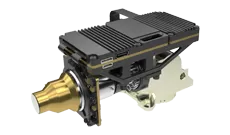
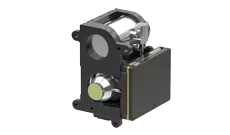
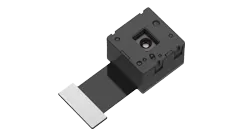
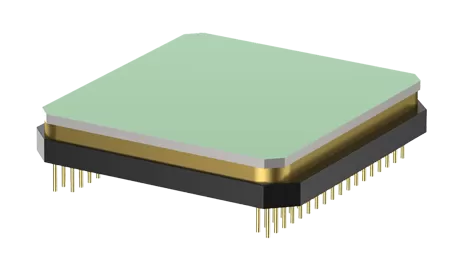
The fundamental principle of infrared technology in medical diagnostics lies in the fact that all objects with a temperature above absolute zero emit infrared radiation, and the human body naturally emits infrared radiation within the wavelength range of 8–14μm. This radiation, which reflects the body’s surface temperature distribution, is closely linked to underlying physiological processes such as blood circulation, metabolic activity, and nerve function. Infrared thermal imaging, the primary application of infrared technology in medical diagnostics, converts this invisible infrared radiation into visible thermal images, allowing healthcare professionals to visualize temperature variations across the body. The accuracy and reliability of these images depend on two critical components: the infrared detector and the thermal module. The infrared detector captures the body’s infrared radiation and converts it into electrical signals, while the thermal module—often referred to as the "brain" of the system—processes these signals, corrects for environmental interference, and generates high-resolution thermal maps that highlight temperature abnormal.
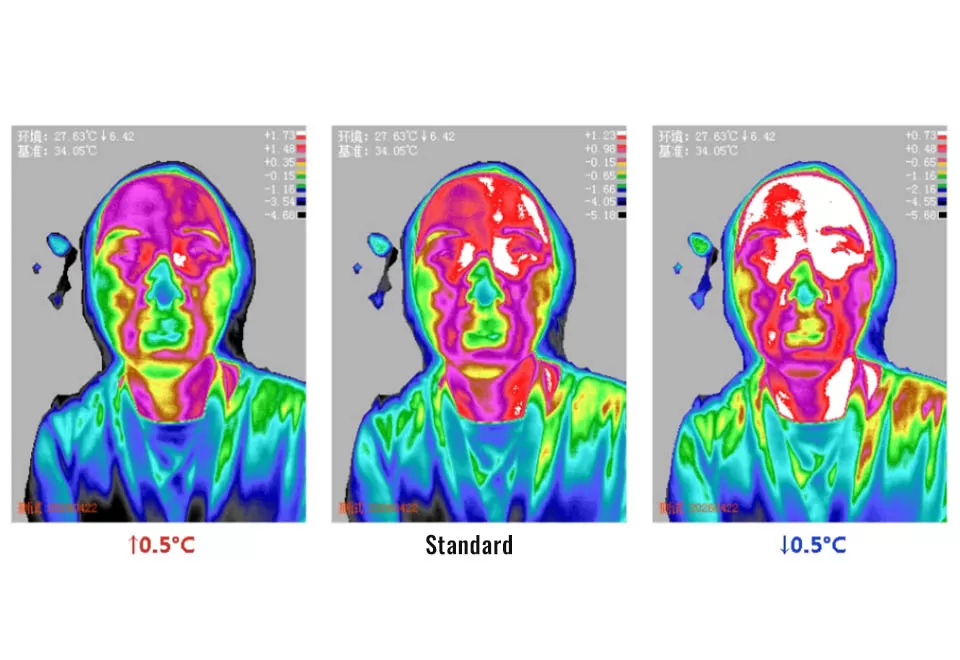
One of the most widespread applications of infrared thermal imaging in medical diagnostics is the early detection of temperature abnormal associated with infectious diseases and inflammation. Fever, a common indicator of infection, can be quickly and non-invasively identified using infrared thermal imaging systems equipped with high-sensitivity infrared detectors. Unlike traditional thermometers that measure temperature at a single point, infrared thermal imaging provides a full-body temperature profile, enabling healthcare providers to detect subtle temperature elevations that may indicate the onset of illness. For example, during public health emergencies, infrared thermal imaging has been widely used for mass screening, quickly identifying individuals with abnormal body temperature and reducing the spread of contagious diseases. The thermal module’s high temperature accuracy (often within ±0.5℃) ensures that these temperature readings are reliable, supporting timely intervention and treatment.
Beyond fever detection, infrared technology plays a crucial role in diagnosing and monitoring various chronic and acute conditions by identifying temperature abnormal linked to physiological dysfunction. In musculoskeletal disorders such as chronic regional pain syndrome (CRPS), fibromyalgia, and soft tissue injuries, infrared thermal imaging can detect localized temperature increases caused by inflammation or decreased temperature due to poor blood circulation. The infrared detector captures these subtle temperature changes, and the thermal module processes the data to generate clear thermal images, helping clinicians pinpoint the exact location of the injury or inflammation without invasive procedures. This non-invasive approach not only reduces patient discomfort but also allows for repeated monitoring to track the effectiveness of treatment over time.
In vascular and metabolic disorders, infrared thermal imaging offers valuable insights into blood flow and tissue perfusion, which are critical for early diagnosis. Conditions such as peripheral artery disease, which causes reduced blood flow to the extremities, often manifest as localized cold spots (temperature abnormal) on the skin. Infrared detectors with high thermal sensitivity (capable of detecting temperature changes as small as 0.01℃) can capture these cold spots, while the thermal module enhances the contrast of the thermal images to make these abnormalities more visible. This enables clinicians to identify vascular issues at an early stage, before severe complications such as tissue necrosis occur, helping patients maintain vascular health through timely intervention. Similarly, in metabolic disorders like diabetes, infrared thermal imaging can detect temperature abnormal related to poor circulation or nerve damage, supporting proactive management of the condition.
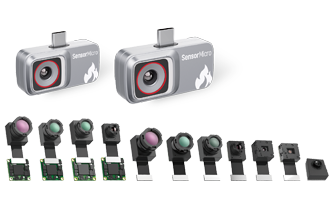
The integration of infrared detectors and thermal modules has also advanced the field of preventive health, enabling individuals to monitor their own health and detect potential issues before they develop into serious diseases. Portable infrared thermal imaging devices, equipped with compact thermal modules and high-performance infrared detectors, allow for at-home health monitoring. These devices can capture thermal images of key body areas, such as the chest, limbs, or abdomen, and identify temperature abnormal that may indicate underlying health issues—such as subclinical inflammation or poor circulation. For example, a persistent cold spot on the extremities may signal early vascular problems, prompting individuals to seek medical advice and make lifestyle adjustments to maintain their health. Additionally, in traditional Chinese medicine, infrared thermal imaging is used for helping practitioners tailor health guidance based on the body’s thermal distribution patterns.
Another important application of infrared technology in medical diagnostics is in oncology, where it assists in the early screening and monitoring of tumors. While infrared thermal imaging cannot replace structural imaging techniques like MRI or mammography, it can detect temperature abnormal associated with tumor growth—tumors often have higher metabolic activity, leading to localized temperature increases on the skin surface. High-resolution infrared detectors and advanced thermal modules can capture these subtle temperature elevations, providing a non-invasive screening tool that complements traditional diagnostic methods. This is particularly valuable for breast cancer screening, where infrared thermal imaging can detect early temperature changes that may indicate the presence of a tumor, supporting early detection and improved treatment outcomes.
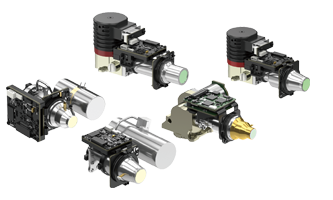
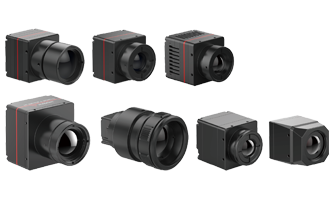
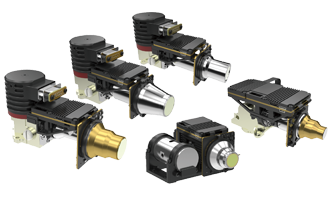
The effectiveness of infrared technology in medical diagnostics is further enhanced by ongoing advancements in infrared detectors and thermal modules. Modern infrared detectors, such as wafer-level packaging detectors, are smaller in size, lower in cost, and higher in sensitivity, making them suitable for integration into a wide range of medical devices—from portable screening tools to high-end diagnostic equipment. Thermal modules have also evolved, with improved temperature uniformity and stability, ensuring that the thermal images generated are accurate and consistent. Many medical-grade thermal modules now include dedicated software development kits (SDKs) for medical temperature measurement, enabling easy integration into diagnostic systems and supporting advanced features such as full-screen temperature measurement and real-time alerts for temperature abnormal.
In conclusion, infrared technology—powered by infrared thermal imaging, infrared detectors, and thermal modules—has transformed medical diagnostics by offering a non-invasive, efficient, and reliable way to detect temperature abnormal and monitor physiological health. Its applications span infectious disease screening, musculoskeletal disorders, vascular and metabolic conditions, oncology, and preventive health, helping healthcare providers make accurate diagnoses and enabling individuals to take proactive steps to maintain their health. As technology continues to advance, infrared detectors and thermal modules will become even more precise and accessible, further expanding the role of infrared technology in medical diagnostics and empowering people to live healthier, longer lives.


 CN
CN
 EN
EN