When evaluating thermal imaging cameras, most buyers focus on resolution or lens quality. However, one of the most critical — and often misunderstood — specifications is NETD (Noise Equivalent Temperature Difference).
Whether you are working in security, industrial inspection, or outdoor applications, understanding NETD is essential for choosing the right thermal camera and achieving reliable detection performance.
What is NETD?
NETD (Noise Equivalent Temperature Difference) is a key performance metric that defines a thermal camera’s sensitivity to temperature differences.
In simple terms:
NETD is the smallest temperature difference a thermal sensor can detect.
It is measured in millikelvin (mK), where:
From a technical perspective, NETD represents the temperature difference at which the signal equals the system’s noise level (signal-to-noise ratio = 1).
Why NETD Matters in Thermal Imaging
1. Image Clarity and Detail
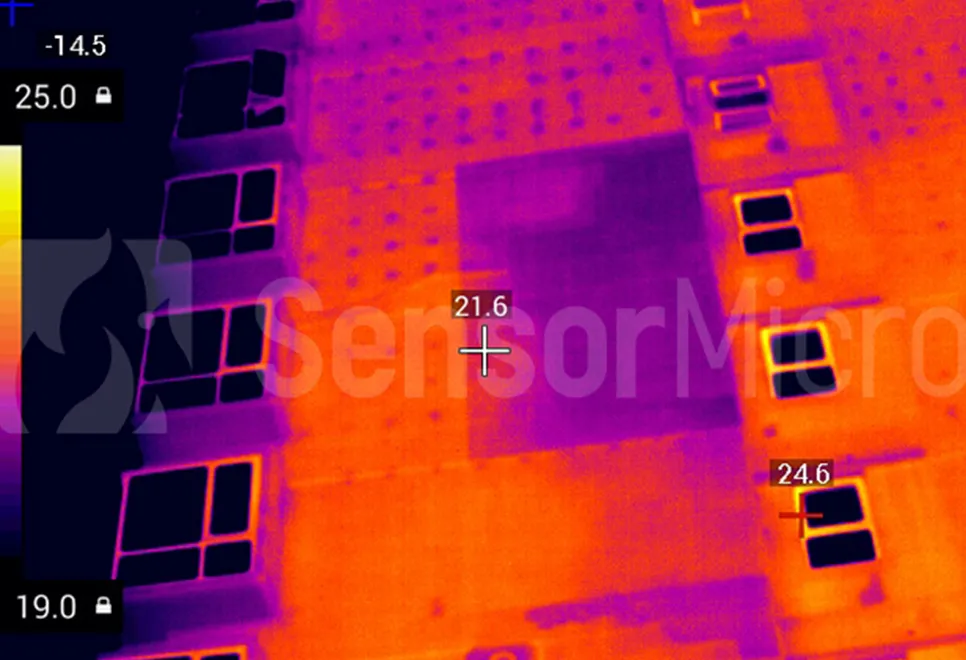
Thermal cameras create images by detecting temperature variations. The smaller the detectable difference, the more detail the image contains.
Cameras with lower NETD can distinguish subtle thermal differences that higher NETD systems miss.
2. Performance in Challenging Conditions
NETD becomes especially important in low-contrast environments, such as:
In these scenarios, the temperature gap between objects and background is minimal. A low NETD sensor can still separate them clearly.
3. Detection, Recognition, and Identification (DRI)
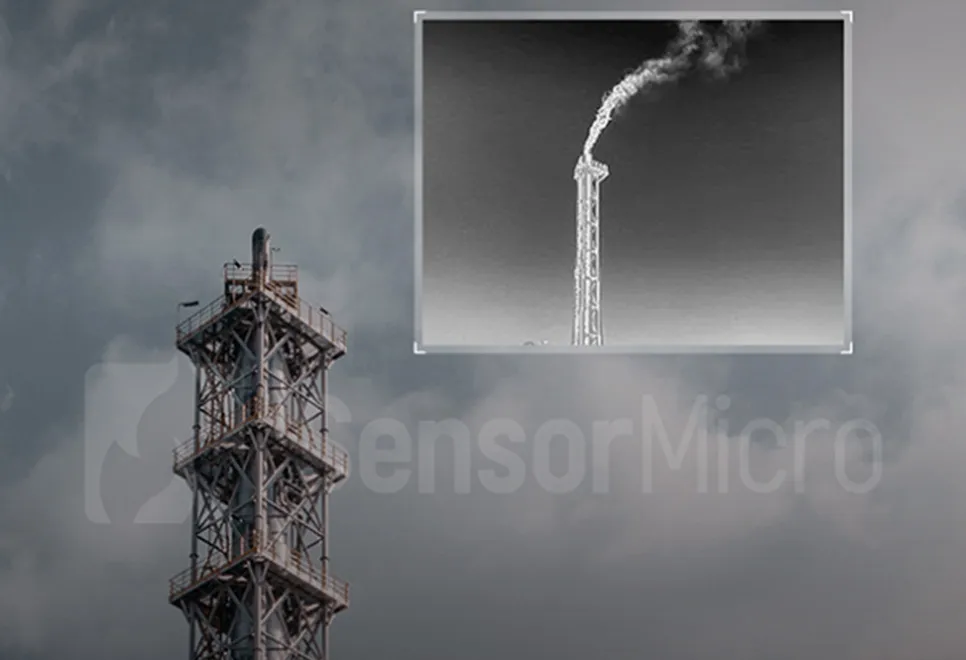
At long distances, thermal imaging becomes sensitivity-limited rather than resolution-limited.
This means:
A lower NETD improves the ability to:
Detect objects
Recognize shapes
Identify targets
especially under atmospheric interference.
NETD is Not the Whole Story
While NETD is critical, it does not act alone. Image quality depends on a combination of:
Sensor resolution
Pixel pitch
Lens (F-number)
Image processing
Modern manufacturers also use metrics like system-level NETD (sNETD), which includes optics and processing, offering a more realistic performance indicator. Today, leading-edge systems have already pushed sensitivity to new limits.
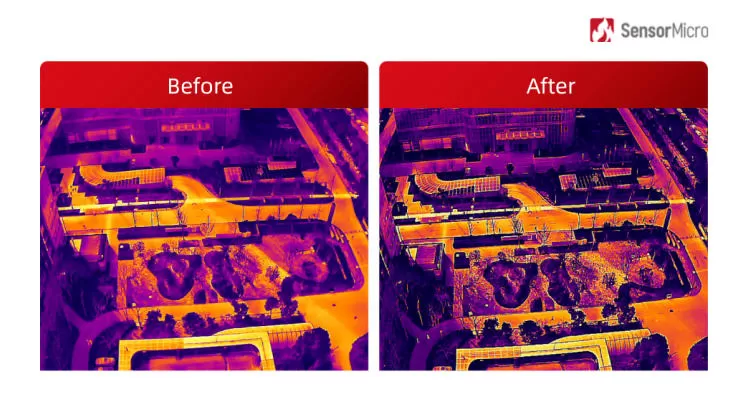
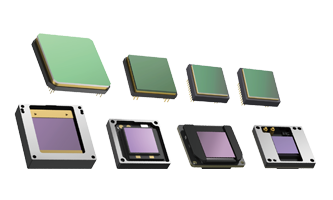
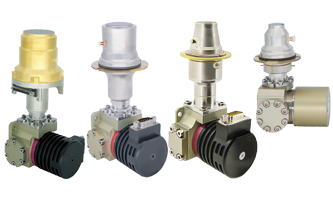
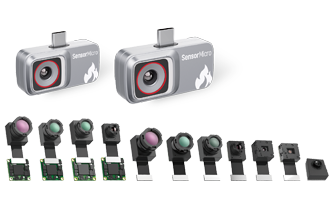
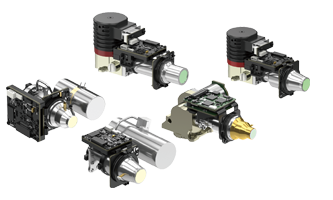
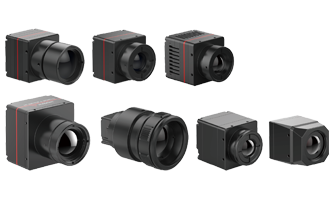
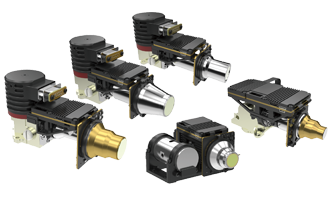
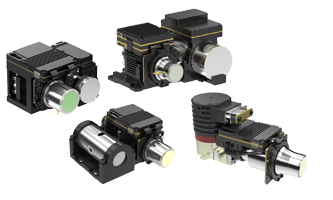
SensorMicro ApexCore series infrared detectors allows sNETD as low as 15 mK — representing the pinnacle of performance in the uncooled thermal imaging industry.


 CN
CN
 EN
EN