In the invisible realm beyond the visible light spectrum lies infrared radiation, a form of electromagnetic energy emitted by all objects with a temperature above absolute zero (-273.15°C). Infrared thermal imaging (IRT), also known as thermography, is a revolutionary technology that captures this invisible radiation and converts it into visible images, revealing the hidden temperature distribution on the surface of objects. This technology has penetrated numerous fields, empowering humans to "see" heat and unlock the secrets of temperature variation that are imperceptible to the naked eye. This article will delve into the fundamental principle of infrared thermal imaging, focus on its two core functions—imaging and temperature measurement—and elaborate on their working mechanisms, characteristics, and practical applications.
The Fundamental Principle of Infrared Thermal Imaging
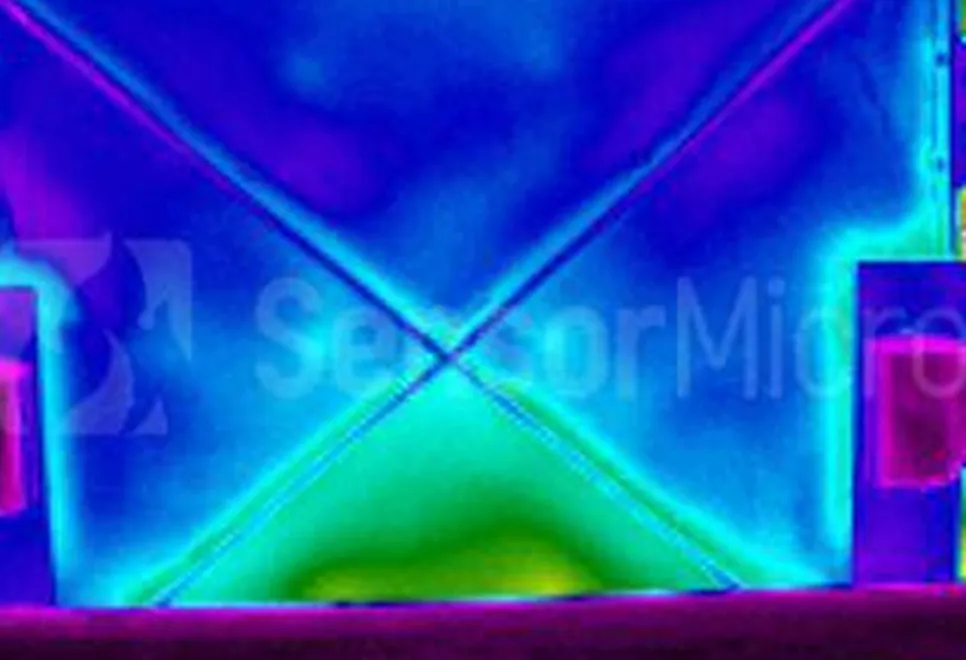
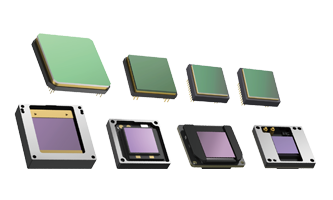
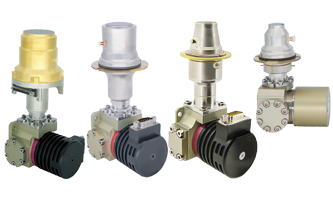
The entire working process of an infrared thermal imager can be divided into four key steps. First, the infrared optical system, composed of lenses made of special materials such as germanium or silicon (which are transparent to infrared radiation), collects the infrared radiation emitted by the target object's surface and focuses it onto the infrared detector. Second, the infrared detector—commonly a focal plane array (FPA) made of materials like mercury cadmium telluride (HgCdTe) or vanadium oxide (VOx)—converts the absorbed infrared radiation into weak electrical signals, with cooled detectors offering higher sensitivity (down to 0.025°C) and uncooled detectors being more compact and cost-effective. Third, the signal processing system amplifies, filters, and digitizes these weak electrical signals, correcting for factors such as emissivity, reflected radiation, and atmospheric attenuation to ensure accuracy. Finally, the processed signals are converted into visible images (called thermograms) through pseudo-color mapping or grayscale processing, where different colors or shades represent different temperatures, making the invisible temperature distribution intuitive and visible.
It is worth noting that infrared thermal imaging relies on the "atmospheric windows"—the mid-wave infrared (MWIR, 3–5 μm) and long-wave infrared (LWIR, 7–14 μm) bands—where infrared radiation can penetrate the atmosphere with minimal attenuation, allowing the technology to work effectively in harsh environments such as smoke, rain, or complete darkness.
Two Core Functions of Infrared Thermal Imaging: Imaging and Temperature Measurement
Infrared thermal imaging integrates two core functions: imaging and temperature measurement. These two functions are interdependent yet distinct: imaging visualizes the temperature distribution pattern, while temperature measurement quantifies the specific temperature value of each point on the object’s surface. Together, they enable comprehensive analysis of the object's thermal state, making the technology versatile and practical in various scenarios.
1. Imaging Function: Visualizing Invisible Heat Patterns
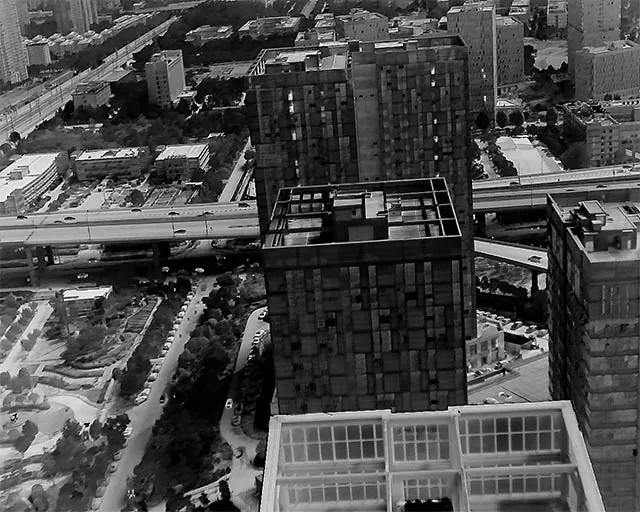
The imaging function of infrared thermal imaging is essentially the process of converting invisible infrared radiation into visible thermograms, which intuitively reflect the relative temperature differences on the object's surface. Unlike visible light imaging, which relies on reflected light and only shows the appearance of objects, thermal imaging focuses on the thermal radiation emitted by the object itself, making it unaffected by visible light conditions—whether it is day or night, or in environments with smoke, fog, or obstacles, it can still clearly display the thermal distribution of the target.
The key feature of thermal imaging is pseudo-color mapping, a technology that assigns different colors to different temperature ranges to enhance the distinguishability of temperature differences. Typically, cooler areas are represented by blue, green, or purple, while warmer areas are represented by yellow, orange, or red; the hottest "hot spots" are often marked in bright red or white, and the coldest "cold spots" in dark blue or black. This color-coding method allows users to quickly identify temperature anomalies without complex data analysis. For example, in a thermal image of a building, blue areas may indicate heat loss due to poor insulation, while red areas may signal electrical faults or moisture accumulation.
The imaging function also boasts high real-time performance and wide adaptability. Modern thermal imagers can achieve frame rates of up to several thousand frames per second, enabling dynamic capture of temperature changes in fast-moving objects or transient processes, such as the heat dissipation of rotating machinery or the spread of fire. Additionally, thermal imaging can realize large-field-of-view imaging through scanning systems, covering large areas such as industrial workshops, power grids, or urban areas, providing efficient and comprehensive thermal information.
Practical applications of the imaging function are widespread. In security monitoring, thermal imagers enable night reconnaissance and target identification, as warm-blooded animals and operating equipment stand out clearly against cooler backgrounds. In fire rescue, firefighters use thermal imaging to see through smoke, locate trapped people, and identify the base of a fire, improving rescue efficiency and safety. In building detection, thermal imaging reveals heat leaks, insulation defects, and moisture ingress, helping optimize energy efficiency and reduce heating and air-conditioning costs.
2. Temperature Measurement Function: Quantifying Surface Temperature Accurately
While the imaging function visualizes temperature distribution, the temperature measurement function quantifies the specific temperature value of any point, area, or region of interest on the object's surface, turning qualitative thermal images into quantitative data. This function is based on the strict relationship between infrared radiation intensity and object temperature, combined with precise calibration and correction algorithms to ensure measurement accuracy.
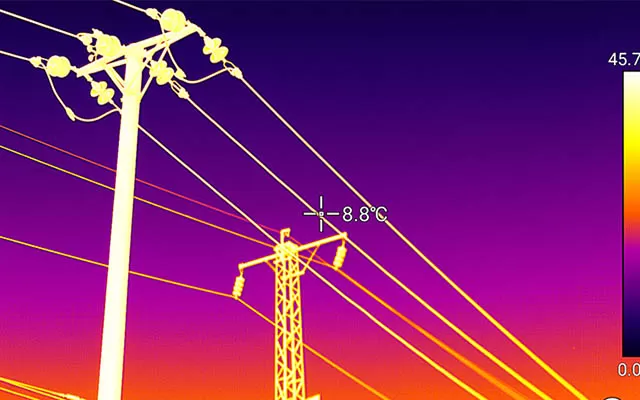
Environmental factors such as reflected temperature (radiation from surrounding objects reflected by the target surface) and atmospheric attenuation (absorption of infrared radiation by moisture, dust, or smoke in the air) can affect measurement accuracy. Advanced thermal imagers integrate algorithms to compensate for these factors, ensuring reliable temperature data even at long distances or in harsh environments. Additionally, temperature measurement ranges and precision vary by device: standard models cover -20°C to 200°C, while specialized models can measure from -50°C to 1600°C or higher, with an accuracy of ±2°C or ±2% of the measured value, meeting the needs of different scenarios.
The temperature measurement function supports multiple measurement modes, including spot measurement (measuring the temperature of a single point), area measurement (measuring the average, maximum, or minimum temperature of a specific area), and line measurement (measuring temperature changes along a straight line). Some high-end thermal imagers also offer temperature trend analysis, recording historical data and generating curves to predict potential faults, such as overheating in electrical joints or machinery bearings that may indicate impending failure.
Practical applications of the temperature measurement function are equally diverse. In industrial maintenance, it is used to detect overheating components in electrical equipment (such as transformers, circuit breakers, and power lines), helping prevent equipment damage and electrical fires. In medical diagnostics, it monitors physiological changes by measuring skin temperature distribution, aiding in allergy detection, veterinary medicine, and even fever screening (as used during the 2009 swine flu pandemic). In metallurgy and manufacturing, it measures the temperature of molten metals, glass, or other high-temperature materials, ensuring process stability and product quality.


 CN
CN
 EN
EN