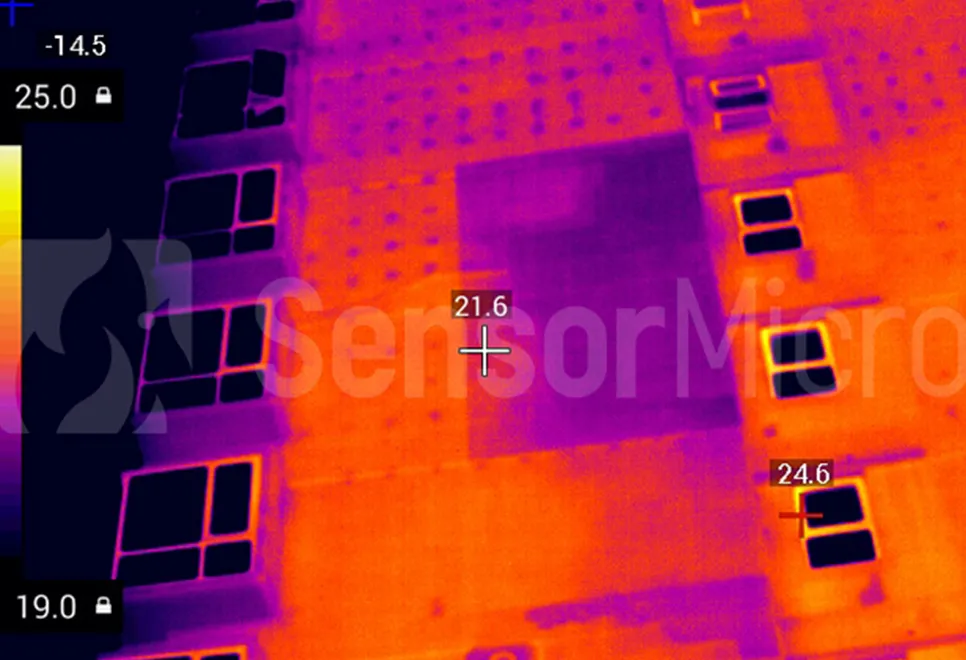
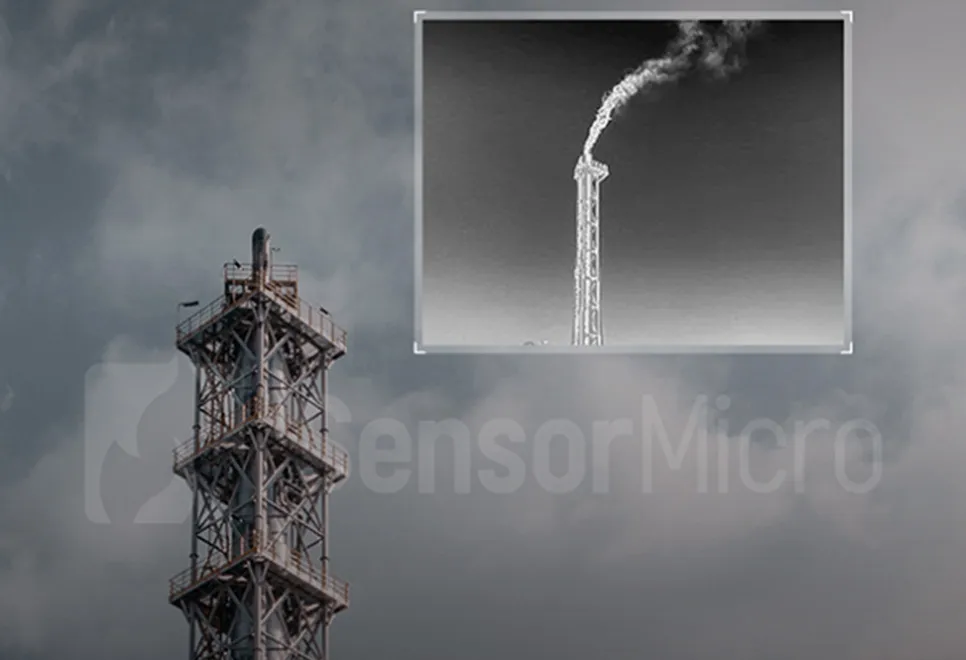
In today’s fast-evolving robotics industry, vision systems define how robots perceive, analyze, and interact with the world. While visible-light cameras remain common, infrared thermal imaging has emerged as a transformative technology, enabling robots to operate in complete darkness, harsh weather, smoke, dust, and low-visibility environments. By integrating high-performance infrared camera core into robotic platforms, businesses will unlock unprecedented accuracy, safety, and reliability across industrial, commercial, and residential applications.
Traditional robotic vision struggles with environmental constraints: nighttime operation, fog, glare, or obscured views. Infrared thermal imaging solves these challenges by detecting radiant heat rather than visible light. Every object with a temperature above absolute zero emits infrared radiation, which thermal systems capture and convert into actionable imagery.
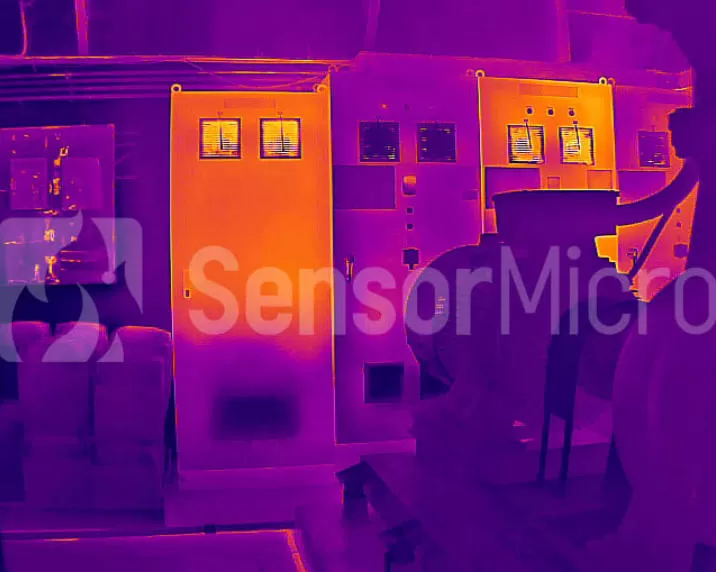
This unique capability allows robots to:
-Detect people, animals, and obstacles in total darkness
-Monitor equipment temperature for predictive maintenance
-Navigate through smoke, dust, and heavy fog
-Identify thermal anomalies invisible to the human eye
-Improve safety and efficiency in industrial automation
The performance of a thermal-enabled robot depends on its core infrared components. Let’s break down the critical hardware that powers infrared solution for robotics.
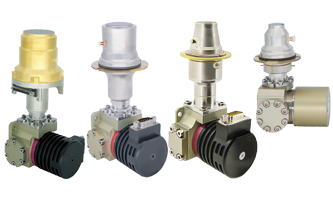
Infrared Detector: The “Eye” of Thermal Robotic Vision
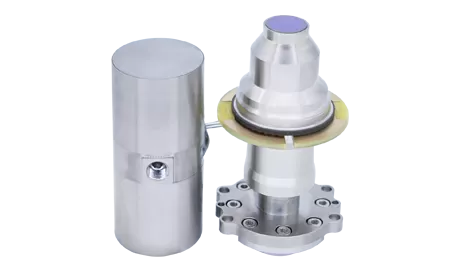
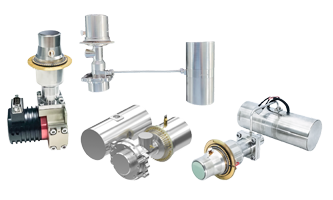
The infrared detector is the foundational sensor that captures thermal radiation. High-sensitivity infrared detectors deliver clear thermal images, precise temperature measurement, and stable long-range detection.
Key advantages for robotics:
-Low NETD (Noise Equivalent Temperature Difference) for high clarity
-Stable performance in extreme temperatures
-Support for real-time imaging and rapid response
-Compatibility with autonomous navigation and AI analysis
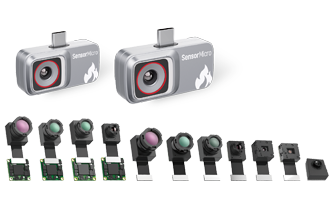
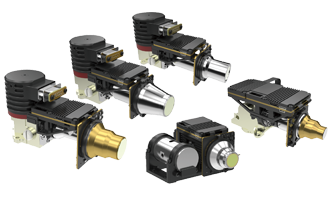
Thermal Module: Compact, Integrated Thermal Sensing
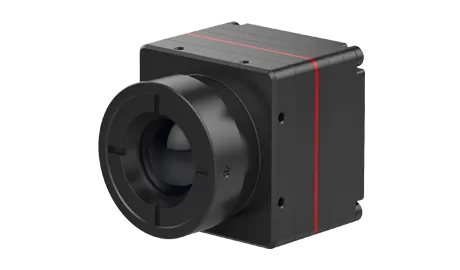
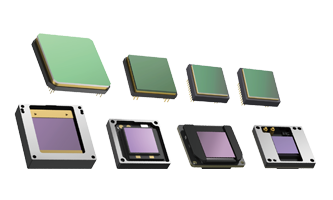
A thermal module is a compact, pre-calibrated unit that combines the infrared detector, optics, and processing circuits. Designed for easy integration, it reduces development time and complexity for robot manufacturers.
Ideal for:
-Small- and medium-sized robots
- AVs, AGVs, and inspection robots
-Space-constrained robotic platforms
-Rapid prototyping and mass production
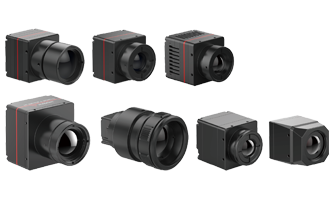
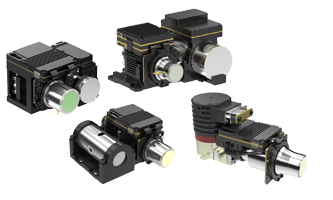
Infrared Camera Core: The Engine of High-Performance Thermal Systems
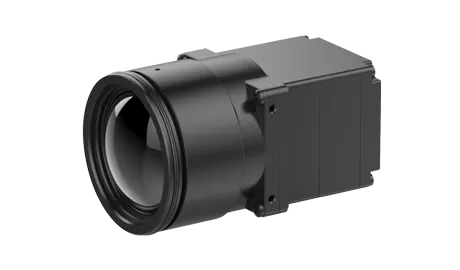
For industrial and professional robotics, the infrared camera core provides advanced imaging, video output, temperature analysis, and digital processing. It supports high resolution, fast frame rates, and precise radiometric capabilities.
Use cases include:
-Industrial inspection robots
-Search-and-rescue robots
-Security and surveillance robots
-Predictive maintenance robots


 CN
CN
 EN
EN