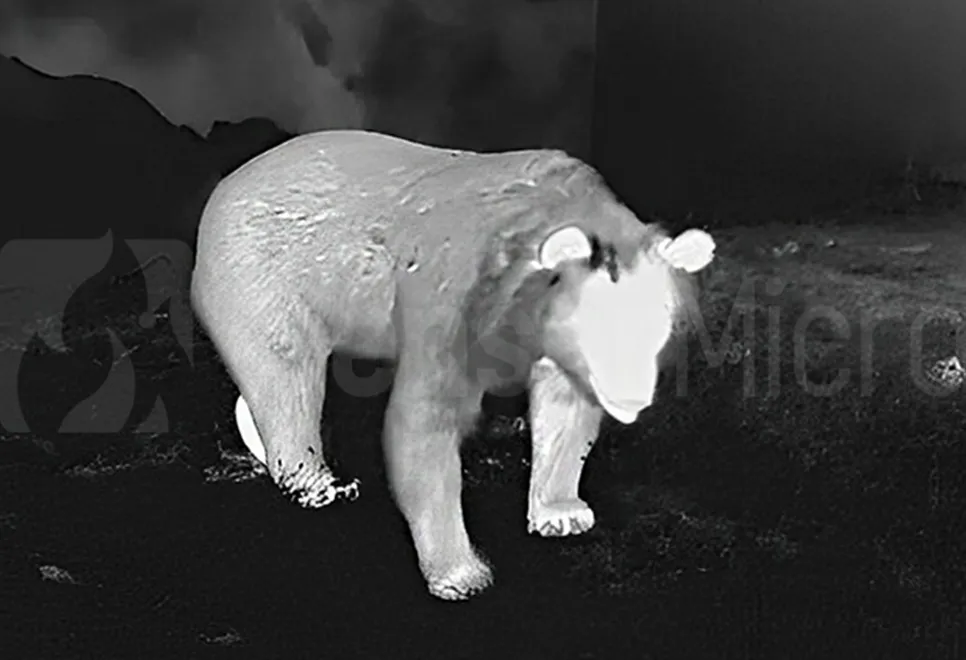
All objects with a temperature above absolute zero continuously emit invisible infrared radiation. As a core photoelectric detection technology, infrared imaging technology captures and converts invisible thermal radiation into visible thermal images for human observation and analysis. The imaging performance of a complete infrared device fundamentally depends on two core underlying components: the infrared optical system and the infrared detector.
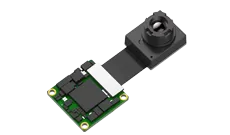
The infrared optical system is responsible for collecting and calibrating infrared light signals, while the infrared detector completes photoelectric conversion and signal sensing. These two foundational devices determine the ultimate imaging clarity, detection sensitivity, and monitoring distance of infrared equipment, forming the core hardware barrier of modern infrared thermal imaging technology. This article systematically elaborates on the structural composition, working principles, and core characteristics of these key infrared imaging devices.
Infrared Optical System: The Visual Frontend for Gathering Infrared Radiation
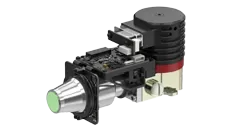
The infrared optical system serves as the front-end hardware of infrared imaging equipment, equivalent to the lens of the human eye. Its core function is to collect, filter, and converge target infrared radiation, correct optical path distortion, and focus scattered infrared photons accurately on the detector target surface to provide high-quality original optical signals for subsequent imaging.
Different from visible light optical systems, ordinary optical glass blocks most infrared bands. Therefore, professional infrared optical systems adopt special infrared-transparent materials to adapt to short-wave, medium-wave, and long-wave infrared detection scenarios, ensuring efficient transmission and effective utilization of infrared radiation.
Core Structural Composition
Infrared Lens Group: As the core imaging component of the optical system, it is mainly made of special infrared optical crystals such as germanium, silicon, and zinc selenide. Germanium material is the most widely used in long-wave infrared (8-14μm) scenarios due to its high refractive index, excellent infrared transmittance, and stable temperature performance. The multi-piece combined lens structure effectively eliminates spherical aberration, chromatic aberration, and imaging distortion, ensuring uniform convergence of infrared radiation from different distances and angles and delivering flat and transparent imaging pictures.
Infrared Filter: A precision optical screening component that accurately blocks visible light, ultraviolet light, and stray infrared noise, allowing only infrared radiation in the working band of the device to pass through. It effectively avoids ambient light interference, improves the anti-interference ability of infrared imaging, and adapts to diverse application scenarios such as high-temperature temperature measurement, outdoor night vision, and industrial detection to guarantee detection accuracy.
Aperture and Focus Adjustment Mechanism: The optical aperture controls the luminous flux and imaging field of view, shields edge stray light, and significantly improves the contrast of infrared images. The electric or manual focus adjustment mechanism fine-tunes the lens spacing to adapt to detection targets at different distances, realizing accurate focusing and meeting the imaging requirements of dynamic detection scenarios.
Optical Protection Structure: Consisting of dust-proof, waterproof, and radiation-resistant optical windows, it comprehensively protects internal precision lens components from damage caused by sand, water vapor, strong light, and high temperature. It greatly enhances the environmental adaptability and service life of infrared devices in complex working conditions and outdoor environments.
Infrared Detector: The Core Chip for Photoelectric Conversion
The infrared detector is the core sensing device of the infrared imaging system, analogous to the retina of the human eye, and acts as a key hub connecting the optical path and electrical signal processing. Its core function is to receive infrared optical signals converged by the optical system and complete the conversion from optical signals to electrical signals.
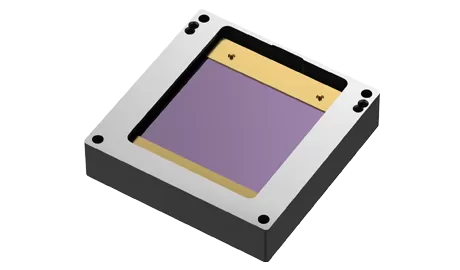
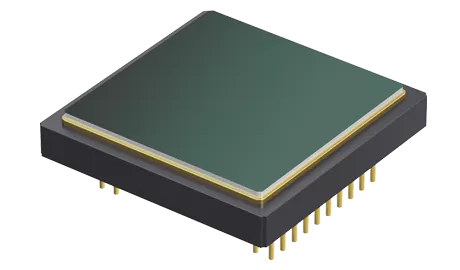
As the core technical barrier of infrared equipment, the infrared detector directly determines the resolution, temperature measurement accuracy, and detection sensitivity of imaging devices. At present, the focal plane array (FPA) detector is the mainstream in the industry, which has the advantages of fast imaging speed, high resolution, and no mechanical scanning compared with traditional linear scanning detectors.
Core Structural Composition
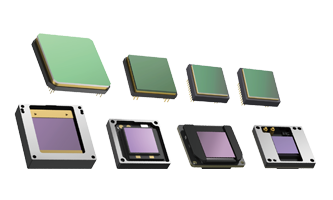
Photosensitive Pixel Array: Composed of hundreds of thousands to millions of micro photosensitive pixel units to form a two-dimensional array, with common resolutions including 160×120, 320×240, and 640×480. Each pixel independently captures infrared radiation energy in the corresponding area. The mainstream suspended bridge MEMS structure adopts ultra-fine support arms to suspend pixel units, forming a closed air heat insulation cavity, minimizing heat loss and greatly improving infrared photon absorption efficiency.
Infrared Absorption Layer: The core functional layer on the pixel surface, specially used to absorb infrared photons and convert infrared radiation light energy into pixel temperature changes. It is a key precondition for realizing photoelectric conversion and directly affects the response sensitivity of the detector.
Readout Integrated Circuit (ROIC): The signal processing center of the detector, highly integrated with the bottom of the pixel array. It collects weak electrical signals generated by each pixel, completes signal integration, amplification, and noise reduction, organizes disordered original signals into stable analog electrical signals, and provides standardized input signals for back-end equipment.
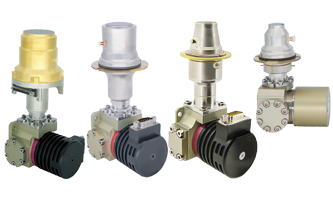
Packaging and Temperature Control Structure: Divided into uncooled and cooled types according to working modes. Uncooled detectors work at room temperature, with small size, low power consumption, and controllable cost, widely used in civilian consumption and ordinary industrial detection scenarios. Cooled detectors are equipped with Stirling refrigerators and vacuum packaging structures, realizing low-temperature noise reduction with ultra-high detection sensitivity, suitable for high-end scenarios such as surveillance and high-precision scientific temperature measurement.
The infrared optical system realizes pure infrared light collection, and the infrared detector completes effective electrical signal conversion. Together, they build the physical bottom layer of all infrared imaging equipment. High-precision optical convergence and high-sensitivity photoelectric conversion are the prerequisites for high-quality infrared imaging, laying a solid hardware foundation for subsequent image processing and intelligent application of infrared technology.


 CN
CN
 EN
EN