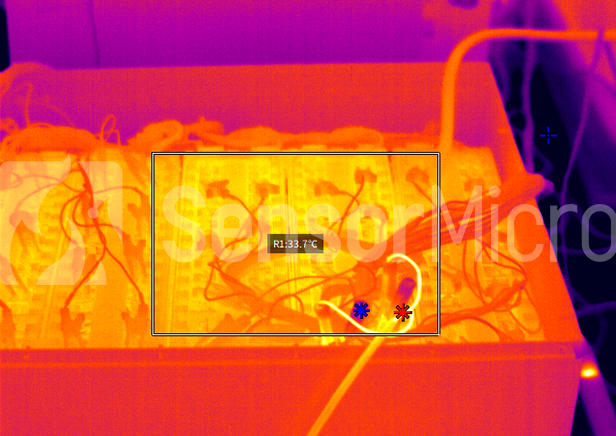
As artificial intelligence (AI), the Internet of Things (IoT), and big data technologies continue to reshape industries, infrared thermal imaging systems are expected to deliver faster processing, lower power consumption, and greater intelligence than ever before. Traditional multi-chip architectures are increasingly unable to meet the growing demand for compact, high-performance thermal imaging devices.
This is where System-on-Chip (SoC) technology comes into play. By integrating multiple functional components onto a single chip, SoC has become a key enabler of next-generation infrared camera cores. Today, SoC is widely recognized as one of the most important processing technologies for intelligent thermal imaging systems, offering significant advantages in size, power efficiency, cost, and computing performance.
What is SoC?
SoC (System-on-Chip) is an integrated circuit that combines multiple electronic components—including processors, memory controllers, communication interfaces, image processing units, and embedded software—onto a single semiconductor chip. Before SoC technology became widely available, infrared imaging systems typically relied on multiple circuit boards and individual chips working together to perform image processing, temperature measurement, and system control. These multi-chip systems required more space, consumed more power, and involved greater design complexity. With an SoC, all of these core functions can be integrated into one chip, creating a complete computing platform capable of handling image acquisition, infrared signal processing, temperature calculation, communication, and system management. This high level of integration has transformed the design of modern infrared camera modules and thermal imaging cores.
Why SoC Matters for Infrared Thermal Imaging
Infrared thermal imaging devices are becoming increasingly compact while simultaneously delivering higher image quality and more advanced intelligent features. To achieve these goals, manufacturers require processing chips that combine powerful computing capabilities with low energy consumption.
Because an SoC integrates nearly every essential system component into a single device, it enables infrared camera cores to become smaller, lighter, and more efficient without sacrificing performance. This makes SoC particularly attractive for handheld thermal cameras, automotive thermal imaging, smart security systems, and portable industrial inspection equipment.
Smaller Size and Lower Power Consumption
One of the biggest advantages of SoC technology is its ability to significantly reduce both system size and power consumption. Advances in MOS (Metal-Oxide-Semiconductor) manufacturing technology have made it possible to integrate more computing resources into increasingly compact chips while improving energy efficiency. As a result, infrared camera cores built around SoC processors require fewer external components, occupy less circuit board space, and consume less power. For battery-powered thermal imaging devices, lower power consumption directly translates into longer operating time, making SoC an ideal solution for portable and mobile applications.
High Integration Improves Reliability
Traditional multi-chip architectures rely on numerous external connections between processors, memory, controllers, and communication interfaces. Every additional component introduces potential failure points and increases system complexity. An SoC minimizes these external connections by integrating key functions onto a single chip. This simplified architecture improves signal integrity, reduces electromagnetic interference, and enhances overall system reliability.
Faster Image Processing Performance
Infrared imaging applications increasingly require real-time image enhancement, temperature analysis, target recognition, and AI-assisted decision-making. Because SoC integrates all critical processing resources into one optimized architecture, data moves much more efficiently between different functional modules. This reduces communication latency and improves overall processing speed. The result is smoother thermal imaging, faster temperature calculations, and better responsiveness when handling complex image processing tasks. For intelligent infrared systems that rely on edge computing, rapid processing is becoming a major competitive advantage.
Lower Manufacturing Cost for High-Volume Products
Another important benefit of SoC is its excellent cost efficiency. Compared with traditional architectures that require multiple processors and supporting electronic components, an SoC significantly reduces component count. Fewer chips mean fewer interconnections, simplified manufacturing, and lower assembly costs. Although SoC development requires substantial upfront investment, mass production dramatically reduces the cost per unit. For large-scale infrared camera manufacturing, this makes SoC an increasingly economical solution.
Challenges of SoC Development
Despite its many advantages, SoC technology is not suitable for every project. Designing an SoC requires a comprehensive understanding of both hardware and software systems. Engineers must integrate processors, memory, communication interfaces, image processing algorithms, and system architecture into a unified design. Verification is one of the most time-consuming stages, often accounting for nearly 70% of the entire development cycle. From initial concept to mass production, SoC development typically takes between six months and one year.
In addition, SoC offers its greatest economic benefits in high-volume production. For small production runs or rapidly changing products, development costs may outweigh its manufacturing advantages.
SoC, FPGA, and ASIC: Complementary Technologies
SoC is often discussed alongside FPGA (Field Programmable Gate Array) and ASIC (Application Specific Integrated Circuit). Rather than replacing one another, these technologies increasingly work together throughout the product development process. FPGA remains an excellent platform for rapid prototyping, algorithm development, and system verification. In many semiconductor projects, FPGA is used to validate designs before they are implemented as ASICs. ASIC provides highly optimized performance for mature products, offering low power consumption, compact size, and cost advantages in large-scale manufacturing. SoC extends integration even further by combining processors, memory, communication interfaces, and dedicated accelerators into a complete computing platform. Modern embedded systems increasingly integrate FPGA logic, ASIC accelerators, and SoC architectures to achieve the optimal balance of flexibility, performance, and efficiency.
As semiconductor technology continues to evolve, the boundaries between FPGA, ASIC, and SoC are becoming increasingly blurred, enabling more intelligent and highly integrated infrared imaging solutions.
SensorMicro's Infrared Processing Solutions
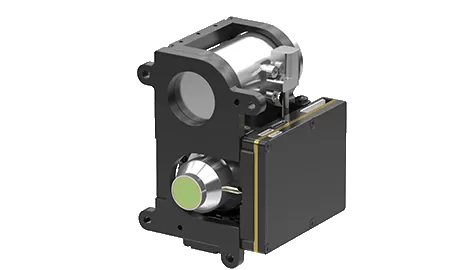
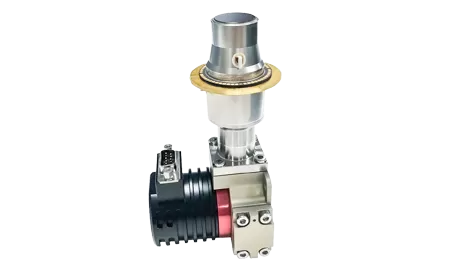
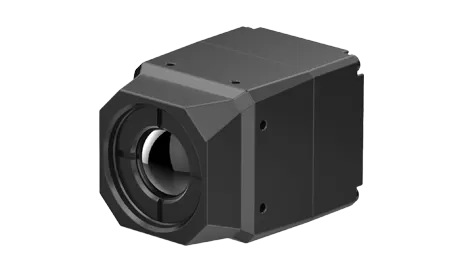
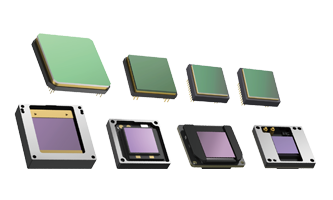
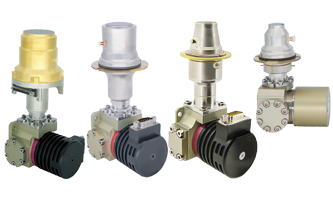
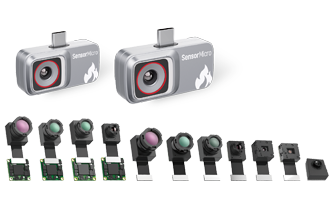
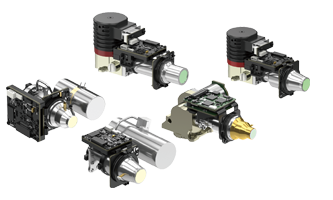
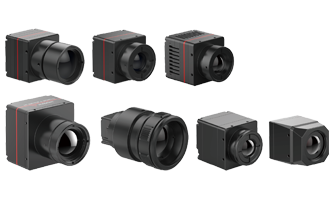
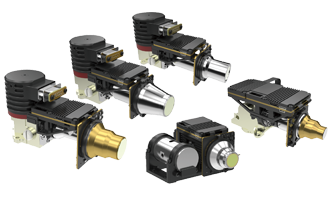
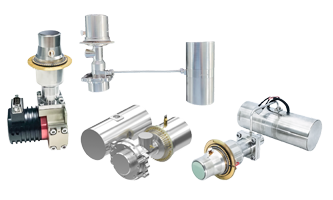
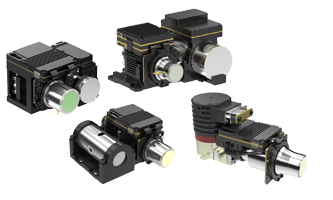
As a professional developer and manufacturer of infrared thermal imaging technology, SensorMicro has extensive experience designing and manufacturing infrared camera cores based on FPGA, ASIC, and SoC processing platforms. By leveraging different processing architectures, SensorMicro offers a wide range of infrared camera modules and thermal imaging cores for industrial automation, security, automotive vision, medical imaging, and other intelligent sensing applications. The company's continuous focus is to improve SWaP-P performance—Size, Weight, Power, Price, and Performance—allowing customers to integrate high-performance thermal imaging into increasingly compact and efficient devices.
Conclusion
System-on-Chip technology has transformed the design of modern infrared thermal imaging systems by integrating multiple processing functions into a single, highly efficient chip. Compared with traditional multi-chip architectures, SoC delivers significant advantages in compactness, power efficiency, reliability, processing speed, and cost-effectiveness.
While FPGA, ASIC, and SoC each have unique strengths, they are increasingly complementary rather than competitive. As AI, IoT, and intelligent sensing technologies continue to evolve, advanced SoC-based infrared camera cores will become a cornerstone of future thermal imaging solutions.
For manufacturers and system integrators seeking compact, high-performance, and energy-efficient infrared imaging products, SoC technology is paving the way toward the next generation of intelligent thermal imaging.


 CN
CN
 EN
EN