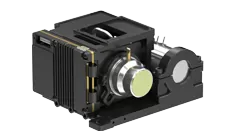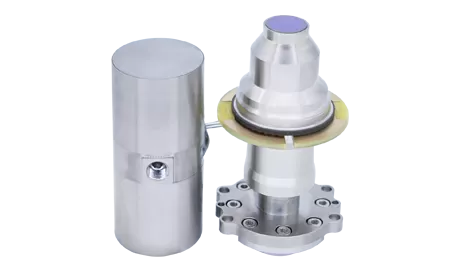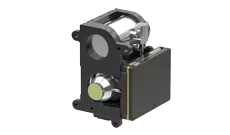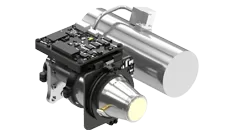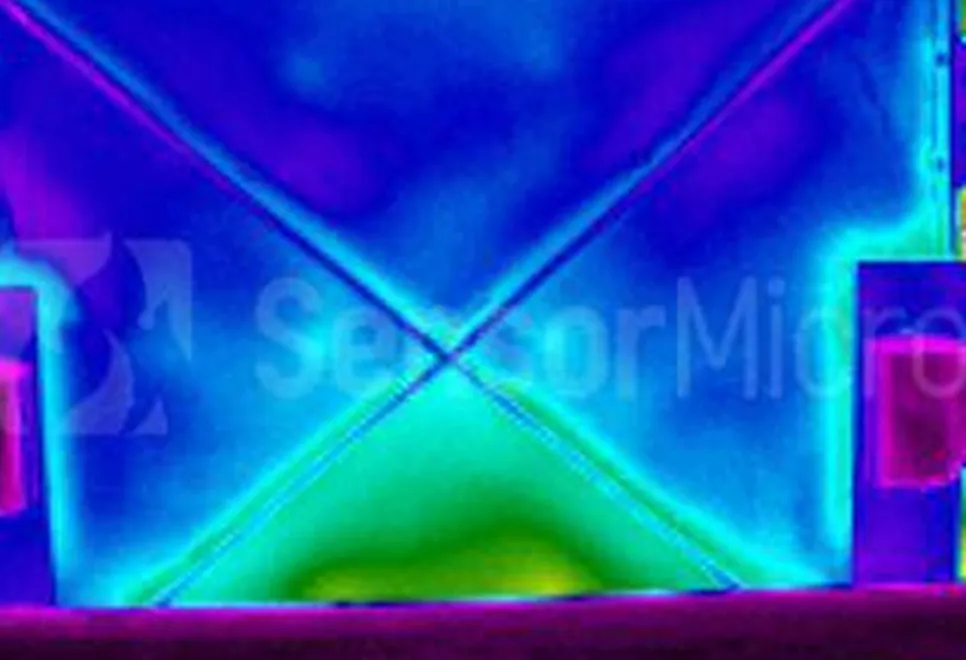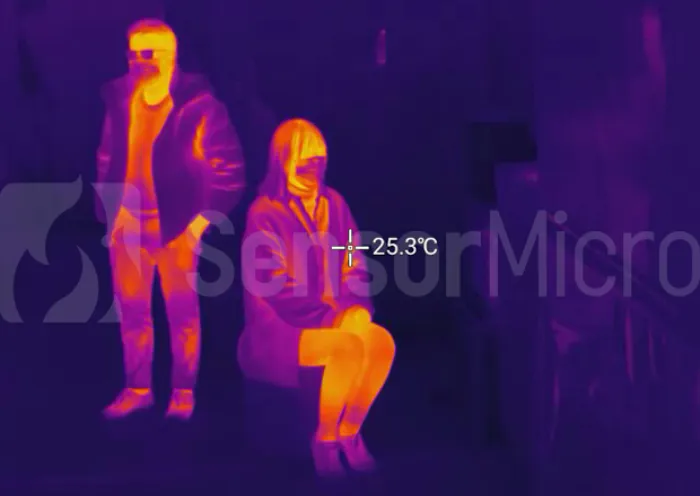
As populations age and families increasingly seek smarter ways to care for elderly people and young children, safety monitoring is becoming an important application of intelligent sensing technology. Traditional surveillance cameras can provide visual information, but they may also raise concerns about privacy, particularly in bedrooms, bathrooms, and other personal spaces. Infrared thermal imaging offers a different approach. Instead of capturing detailed visual images, thermal imaging detects the infrared radiation naturally emitted by the human body and converts temperature differences into thermal information. At the heart of this technology is the infrared module, a highly integrated component that combines an infrared detector, optical lens, and signal processing circuitry. By providing thermal information without relying on visible-light images, infrared modules can support continuous, non-contact monitoring while reducing the privacy concerns associated with conventional cameras.
What is an Infrared Thermal Module?
An infrared module can be regarded as the sensing core of a thermal monitoring device. It typically integrates an infrared detector, optical system, and image or signal processing electronics into a compact unit. Unlike systems that require wearable sensors or direct physical contact, infrared thermal imaging works from a distance. One of its most important advantages for caregiving applications is privacy protection. Thermal images generally provide temperature distribution rather than detailed facial or visual characteristics. This makes infrared monitoring particularly attractive for applications where continuous observation is needed but conventional video surveillance may be inappropriate. Because modern infrared modules can be compact and energy efficient, they can also be integrated into a wide variety of smart home, healthcare, and safety-monitoring devices.
How Infrared Thermal Imaging Can Support Elderly Care
Falls and other unexpected incidents are major concerns in elderly care. Conventional monitoring systems may require continuous video recording, while wearable devices can be uncomfortable or may be forgotten or removed. An infrared thermal imaging system provides a non-contact alternative. By continuously analyzing the thermal silhouette and movement patterns of a person, an intelligent monitoring system can identify changes in behavior, such as getting into or out of bed, remaining in one position for an unusually long time, or falling. When combined with AI-based image analysis, thermal data can be used to recognize specific behavioral patterns and trigger an alert when an abnormal event is detected. Caregivers or family members can then respond more quickly.
Thermal imaging can also provide temperature-related information. Since the human body naturally emits infrared radiation, thermal sensors can measure surface temperature without requiring physical contact. More advanced systems may analyze thermal signals associated with breathing or other physiological activity, although such functions depend on sensor performance, system design, environmental conditions, and appropriate algorithms.
Privacy Protection in Bedrooms and Bathrooms
Privacy is one of the strongest reasons to consider thermal imaging for elderly care. Bedrooms and bathrooms are among the areas where falls and other accidents can occur, but they are also highly private spaces. Installing conventional cameras in these locations can create understandable concerns about continuous visual surveillance. Thermal imaging offers a more privacy-conscious alternative because the resulting image primarily represents temperature distribution rather than detailed visual appearance. This allows a monitoring system to determine whether a person is present, moving, lying down, or potentially in distress without necessarily recording conventional photographic details. For this reason, infrared thermal imaging can help create a balance between safety monitoring and personal privacy.
Infrared Thermal Imaging for Infant and Baby Monitoring
Infant safety is another promising application for infrared modules.
Babies may move into potentially unsafe positions during sleep, while conventional wearable monitoring devices can be inconvenient for both parents and children. A thermal imaging system can monitor the baby's thermal silhouette without attaching sensors directly to the body. For example, an intelligent thermal monitoring system can analyze changes in the baby's position and identify potentially concerning situations, such as prone sleeping or the face becoming covered. Thermal information can also help distinguish between areas covered by bedding and exposed parts of the body, supporting intelligent detection of situations such as a baby kicking off the blanket. These functions can provide parents with timely alerts without requiring continuous conventional video surveillance.
SensorMicro MINI Series for Smart Infant Monitoring
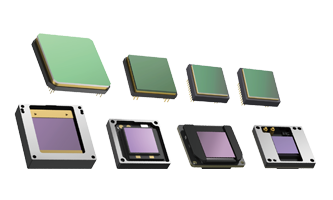
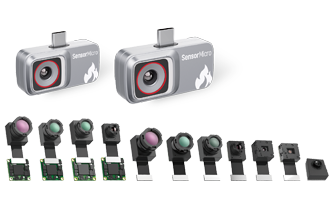
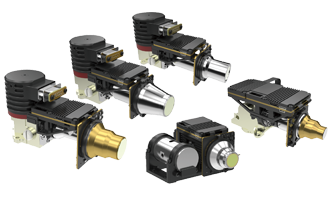
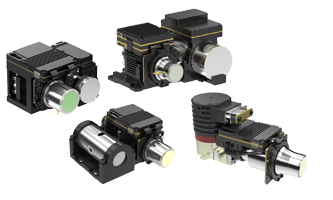
For compact caregiving and smart-home applications, SensorMicro's MINI series infrared modules can provide an infrared sensing foundation for non-contact monitoring solutions.
Their compact module design makes them suitable for integration into smart monitoring terminals and other space-constrained devices. By combining infrared sensing with intelligent image analysis, system developers can create applications focused on sleep monitoring, abnormal posture detection, and safety alerts.
The key value of this approach is not simply replacing a visible-light camera with an infrared camera. Instead, thermal imaging provides a different type of information—temperature distribution and thermal patterns—that can support intelligent monitoring while reducing the amount of personally identifiable visual information collected.
Conclusion
Infrared thermal imaging provides a new approach to elderly and infant safety monitoring. At the core of these systems, infrared modules transform invisible thermal radiation into useful temperature and thermal-pattern information, enabling non-contact monitoring without depending on visible light.
For elderly care, thermal imaging can support fall detection, activity monitoring, and temperature-related observation. For infants, it can assist with sleep monitoring, unsafe posture detection, and blanket coverage alerts. Most importantly, it offers a way to monitor safety while reducing the privacy concerns associated with conventional video surveillance.
With compact solutions such as SensorMicro's MINI series, infrared technology is helping transform caregiving from simple visual surveillance into a more intelligent, non-contact, and privacy-conscious form of protection.


 CN
CN
 EN
EN