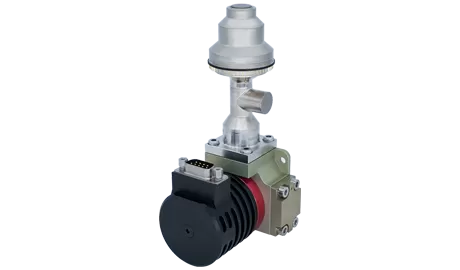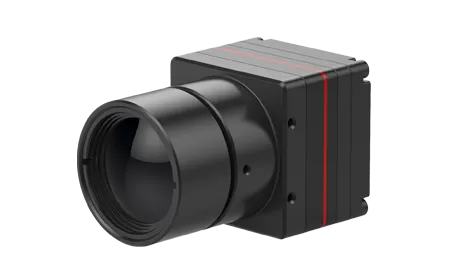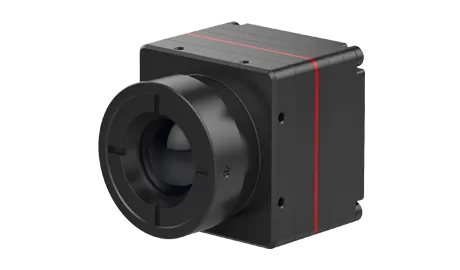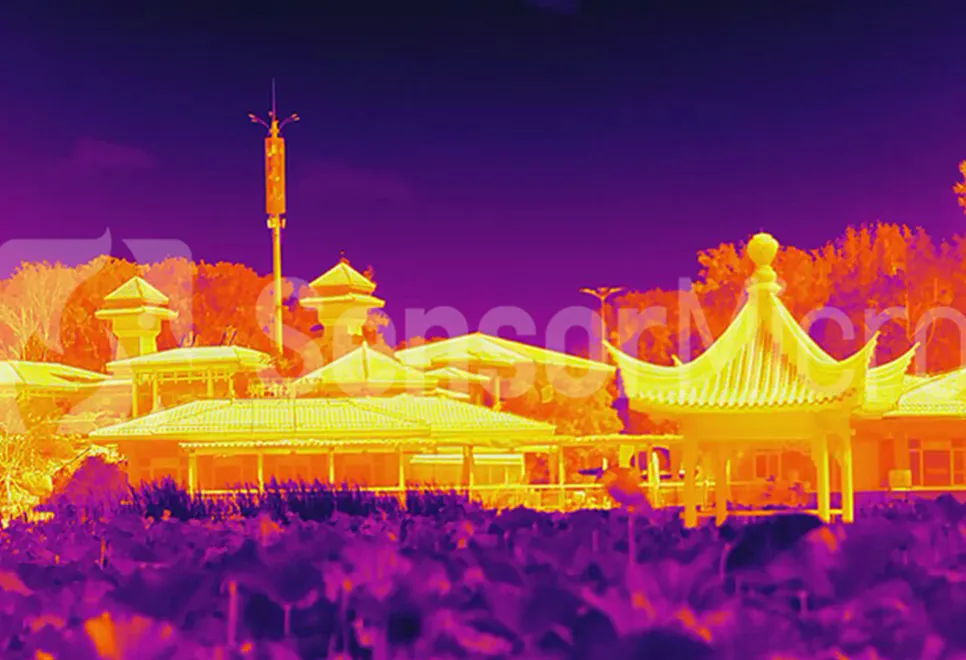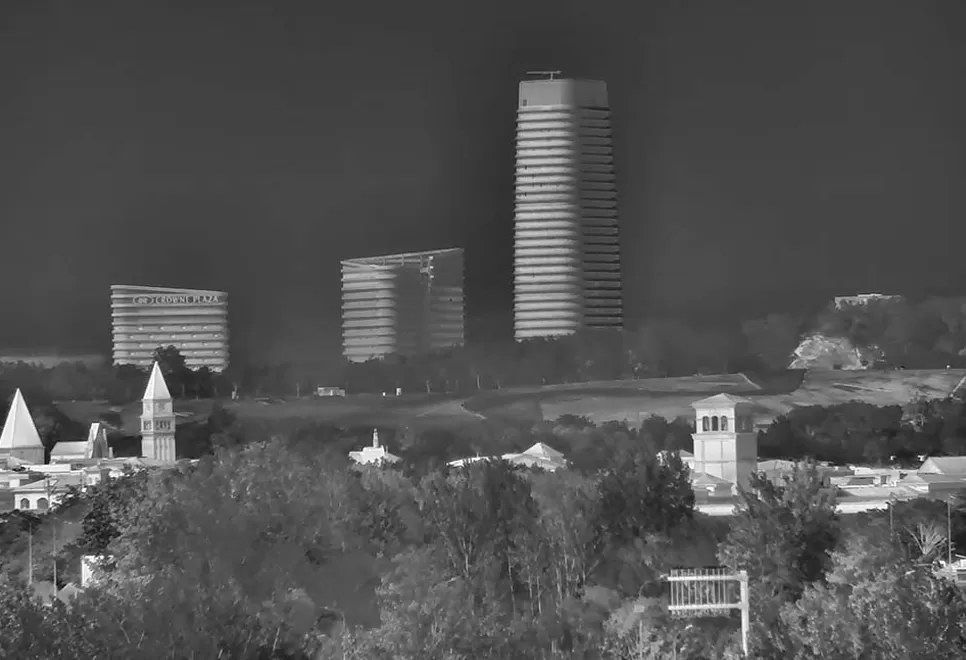
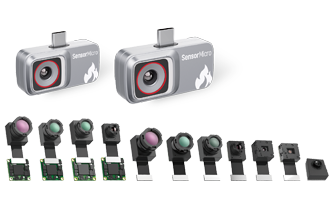
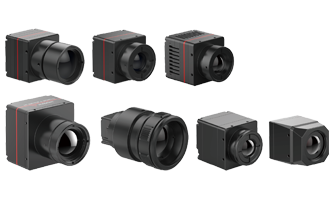
Infrared technology and thermal imaging have become core enablers for modern surveillance and security monitoring, outperforming traditional visible-light devices for all-weather protection. Equipped with professional infrared detectors, thermal modules and infrared camera cores, infrared security devices are widely deployed across civil security sectors, and will keep evolving toward miniaturization, high precision and intelligent integration in the future.
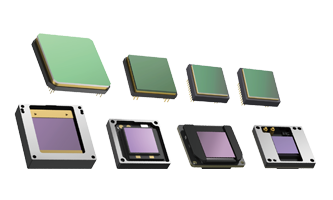
Traditional visible surveillance cameras lose over 60% of monitoring capability in darkness, heavy fog or smoke, while thermal imaging devices maintain full functionality in such conditions. High-sensitivity infrared detectors capture thermal radiation, and integrated infrared camera cores and thermal modules convert signals into clear images, supporting real-time security monitoring. This hardware combination cuts false alert rates by 42% compared with conventional surveillance gear, making it the mainstream choice for civil security.
In civil security, thermal imaging is primarily used for perimeter defense, community safety and public area monitoring. A common industry lesson: low-cost generic thermal modules struggle with temperature distinction in complex scenes, leading to missed hidden risks in early low-end security projects. Optimized infrared detector and infrared camera core solutions solve this issue, delivering stable detection for long-range perimeter surveillance and round-the-clock community security management.
Within civil surveillance and security monitoring, infrared technology and thermal imaging cover multiple refined sectors. Residential community security is a major scenario: infrared detectors and thermal modules are built into wall-mounted cameras to conduct 24/7 perimeter patrol and intrusion alert. Compared with ordinary cameras, these devices reduce missing alarms by 39% at night.
Commercial property protection including shopping malls, office buildings and parking lots also widely adopts infrared camera cores. They identify abnormal crowd gathering and hidden fire hazards effectively. Many projects once used low-sensitivity components, resulting in a 32% rate of undetected overheating risks.
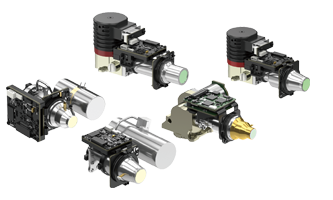
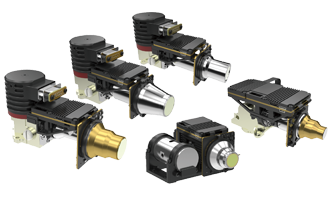
Besides, road traffic security, park public safety and factory internal safety monitoring all rely on thermal imaging solutions. Compact thermal modules adapt to diverse installation environments, while high-performance infrared detectors ensure stable detection in harsh weather. All segmented fields leverage complete infrared hardware sets to lift overall security efficiency.
Looking ahead, infrared technology for security will further combine with IoT and AI. Compact, low-power thermal modules will be adopted in more portable and embedded security devices. Statistics show that upgraded high-precision infrared components can boost overall system reliability by 35%. Continuous hardware iteration will expand the application boundary of thermal imaging in civil security and drive the whole industry forward steadily.
Infrared technology and thermal imaging are irreplaceable for modern surveillance and security monitoring. Infrared detectors, thermal modules and infrared camera cores serve as the key hardware, supporting major civil security scenarios including perimeter defense, community and public area monitoring. The industry will focus on component miniaturization and high precision, while selecting matched professional infrared hardware effectively reduces operational risks and improves monitoring performance, which will remain the core development direction in the long run.


 CN
CN
 EN
EN