Customer Industry: Agriculture & Livestock Farming
Application Scenario: Plant Temperature Detection
Background
Temperature plays a critical role in plant growth and development. Different temperature conditions directly affect plant metabolism, growth rate, and crop quality. In agricultural research and cultivation management, understanding plant temperature changes is essential for evaluating effective accumulated temperature and optimizing growing conditions.
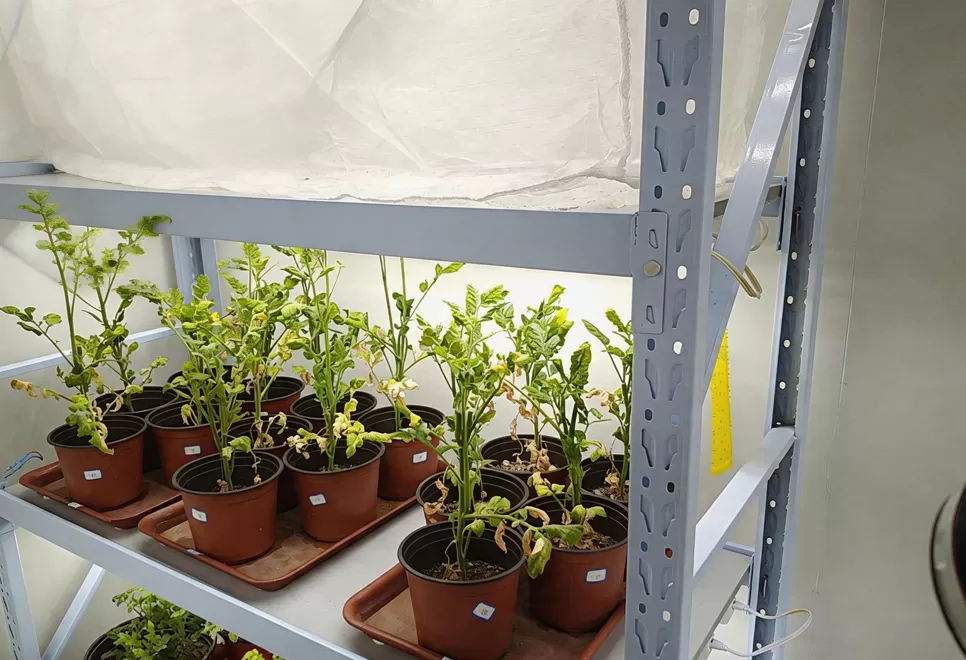
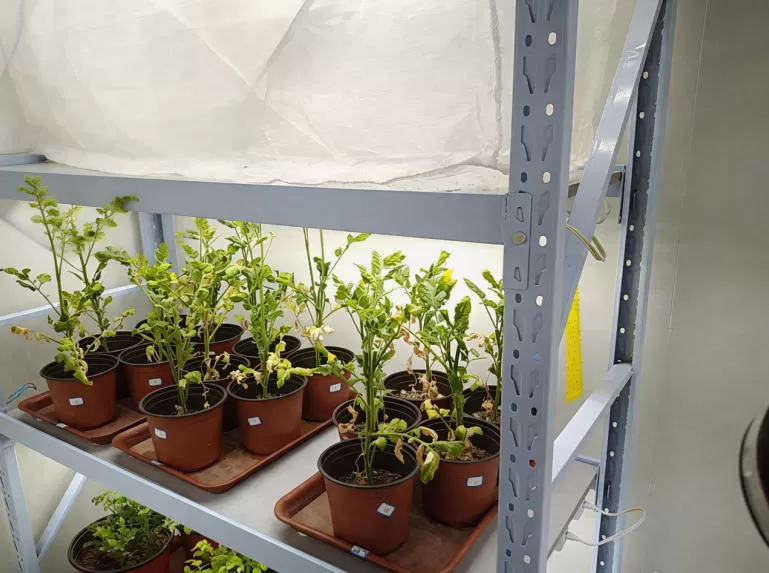
A chemical enterprise engaged in agricultural cultivation research needed a more efficient way to monitor plant temperature during different growth stages. Traditional temperature measurement methods could not provide continuous and intuitive thermal data across the entire plant area. As a result, important temperature variations were often overlooked during cultivation experiments.
Challenges
Before introducing thermal imaging technology, the customer mainly relied on conventional contact temperature measurement tools. These methods created several practical difficulties during plant cultivation research.
The testing team could only measure temperature at limited points on the plant surface. This made it difficult to observe the overall temperature distribution of leaves, stems, and surrounding growing areas. In addition, manual measurements required significant time and labor, especially when monitoring multiple plants under different environmental conditions.
Another challenge was the lack of real-time thermal visualization. Small temperature fluctuations during plant growth could not be detected quickly, which reduced the accuracy of cultivation analysis. In some cases, delayed temperature monitoring affected the evaluation of plant growth performance under changing environmental conditions.
As research requirements became more detailed, the customer needed a faster and more comprehensive temperature monitoring solution.
Solution
To improve monitoring efficiency, the customer introduced SensorMicro infrared thermal imaging technology into the plant cultivation research process.
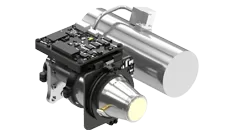
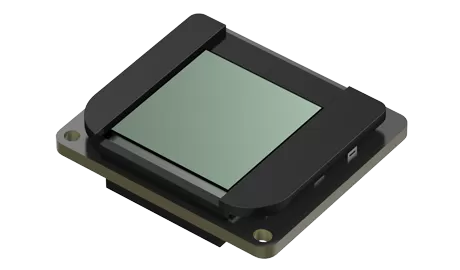
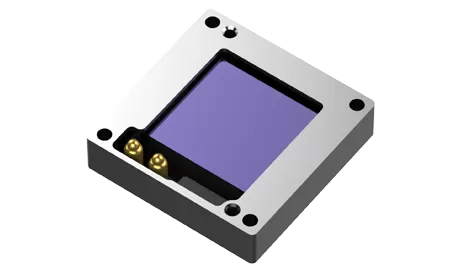
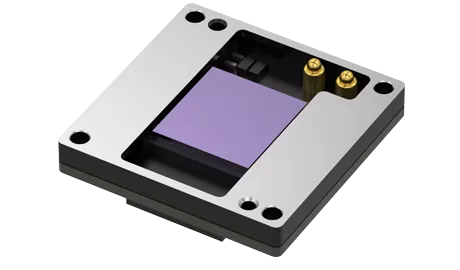
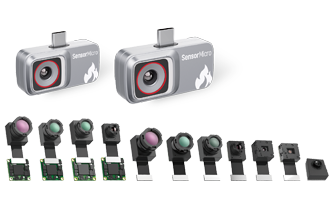
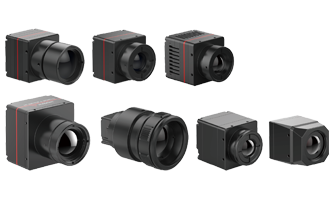
Using a COIN417G3 thermal imaging core, researchers were able to observe real-time temperature distribution across the entire plant surface without physical contact. The IR camera core allowed the team to quickly identify temperature differences during different growth stages and environmental conditions.
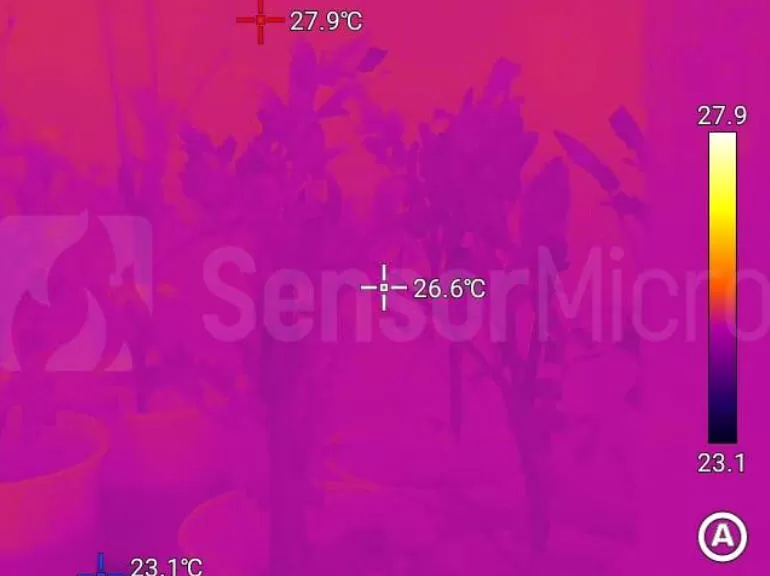
Thermal imaging also helped researchers analyze how plants responded to temperature changes over time. Compared with traditional contact measurement methods, infrared thermal imaging significantly reduced testing time while improving monitoring coverage and data accuracy.
With non-contact temperature detection, researchers could continuously monitor plant growth conditions without disturbing the cultivation environment. This provided more stable and reliable experimental data for agricultural research.
Results
After integrating infrared thermal imaging into the cultivation workflow, the customer achieved more efficient plant temperature monitoring and improved research accuracy.
The research team could better understand the relationship between temperature and plant growth development. Real-time thermal visualization allowed faster analysis of plant responses under different temperature conditions, helping researchers optimize cultivation strategies more effectively.
By improving temperature monitoring efficiency and reducing manual workload, thermal imaging technology also supported long-term agricultural research and plant breeding studies.
For agriculture and cultivation applications, accurate temperature monitoring is essential for improving plant growth management and research efficiency. Infrared thermal imaging provides a fast, non-contact, and intuitive solution for observing plant thermal behavior throughout the entire cultivation process.


 CN
CN
 EN
EN