As solar power systems continue to expand across utility-scale solar farms, commercial rooftops, and distributed energy projects, maintaining photovoltaic (PV) performance has become increasingly important. Even minor defects inside a solar module can reduce power generation, accelerate component aging, and eventually lead to system failure.
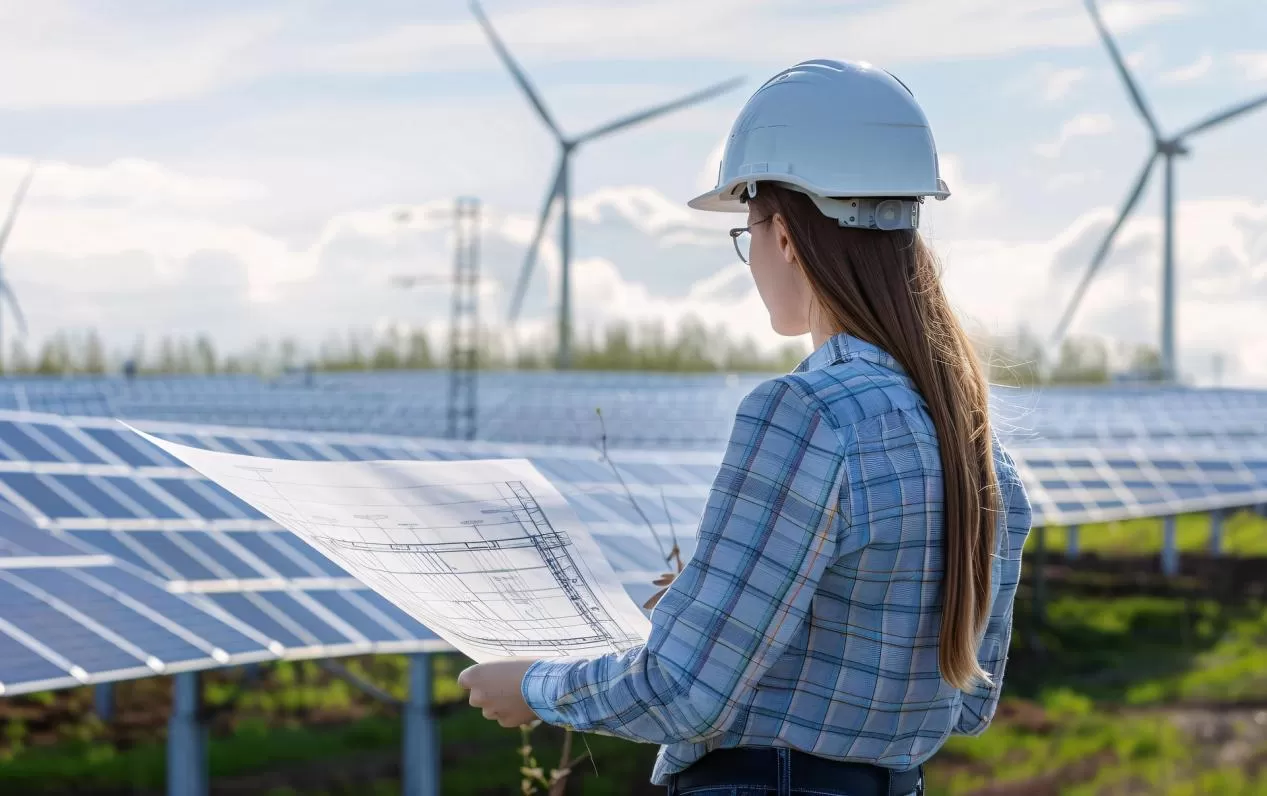
Traditional inspection methods often rely on manual checks or electrical testing, which can be time-consuming and difficult to scale across large installations. Infrared thermal imaging offers a faster and more intuitive approach by visualizing temperature differences across PV modules in real time.
Today, thermal imaging technology is widely used throughout the photovoltaic industry to detect hidden faults, improve maintenance efficiency, reduce downtime, and support long-term energy reliability.
Why Thermal Imaging Matters in Photovoltaic Systems
Photovoltaic panels operate outdoors under continuous exposure to sunlight, heat, humidity, dust, and weather fluctuations. Over time, these environmental stresses can create defects that are not visible to the naked eye but still affect electrical performance.
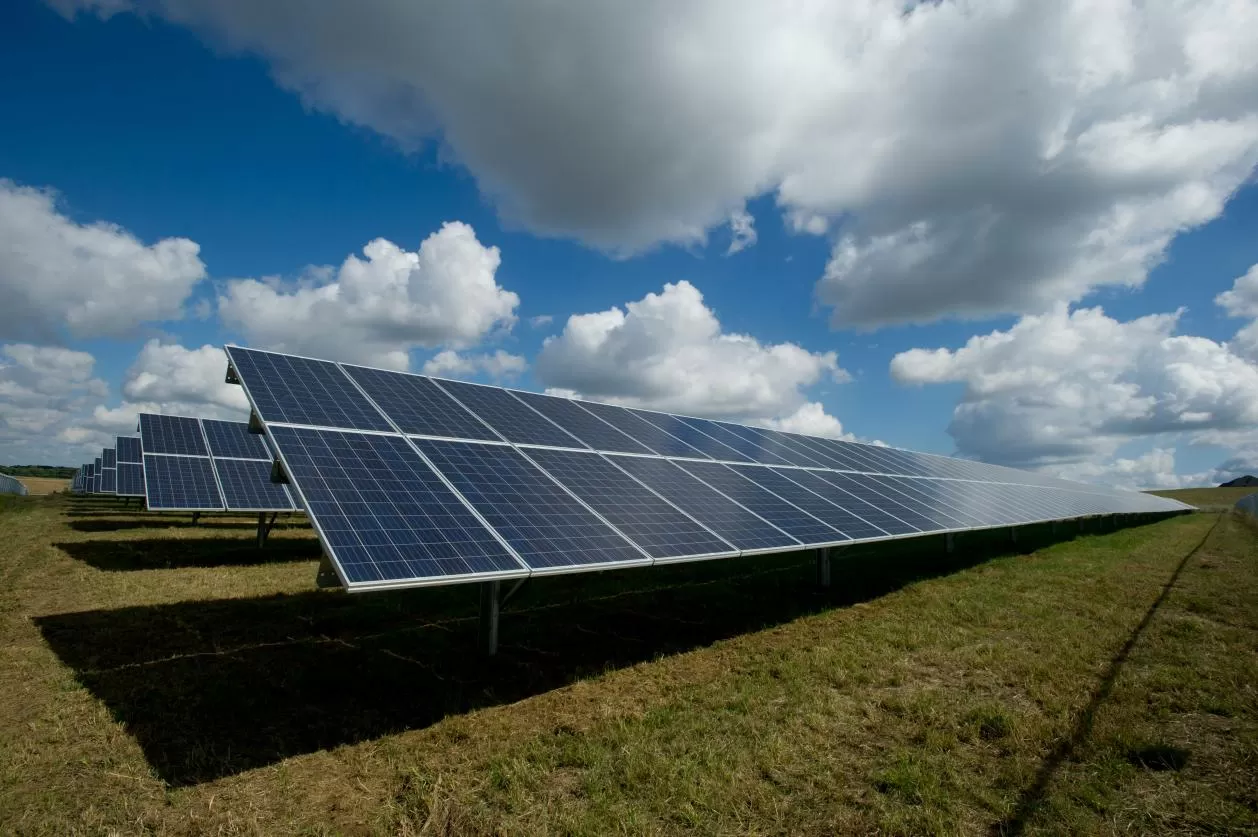
When abnormal resistance, damaged cells, loose connections, or internal faults occur, the affected area often generates excess heat. Infrared thermal cameras can quickly identify these abnormal thermal patterns before they evolve into larger failures.
Unlike traditional troubleshooting methods that require physical contact or system shutdowns, thermal imaging enables non-contact, real-time inspection while the PV system remains operational. This allows maintenance teams to inspect large solar arrays more efficiently and identify issues earlier in the failure cycle.
Common Photovoltaic Defects Detected by Thermal Imaging
Infrared thermal imaging is highly effective for identifying a wide range of photovoltaic defects because most electrical abnormalities eventually manifest as localized temperature changes.
Hot Spots in Solar Panels
Hot spots are among the most common issues in photovoltaic systems. They occur when a portion of a solar cell operates at a higher temperature than surrounding areas due to shading, contamination, microcracks, or cell damage.
A thermal camera can clearly visualize these localized overheating areas, allowing technicians to pinpoint defective modules quickly. If left unresolved, hot spots can reduce panel efficiency, shorten module lifespan, and in severe cases create fire risks.
Cracked or Damaged Solar Cells
Microcracks inside photovoltaic cells are often invisible during standard visual inspections. However, these cracks disrupt current flow and create uneven heat distribution during operation.
Thermal imaging helps inspectors identify abnormal temperature patterns associated with cracked cells, enabling earlier intervention before energy losses become significant.
Faulty Electrical Connections
Loose connectors, defective junction boxes, and deteriorated wiring can increase electrical resistance inside the PV system. Increased resistance generates heat, which becomes visible through thermal inspection.
By detecting these thermal anomalies early, maintenance teams can prevent further damage and reduce the risk of unexpected system shutdowns.
PID and Module Degradation
Potential-Induced Degradation (PID) and long-term material aging can gradually reduce module performance across entire arrays. Thermal imaging helps operators compare temperature consistency between modules and identify underperforming sections that may require additional electrical testing or replacement.
Advantages of Thermal Imaging for Solar Farm Inspection
As photovoltaic installations continue growing in size, inspection speed and accuracy have become critical for operational efficiency. Infrared thermal imaging offers several advantages over traditional maintenance methods.
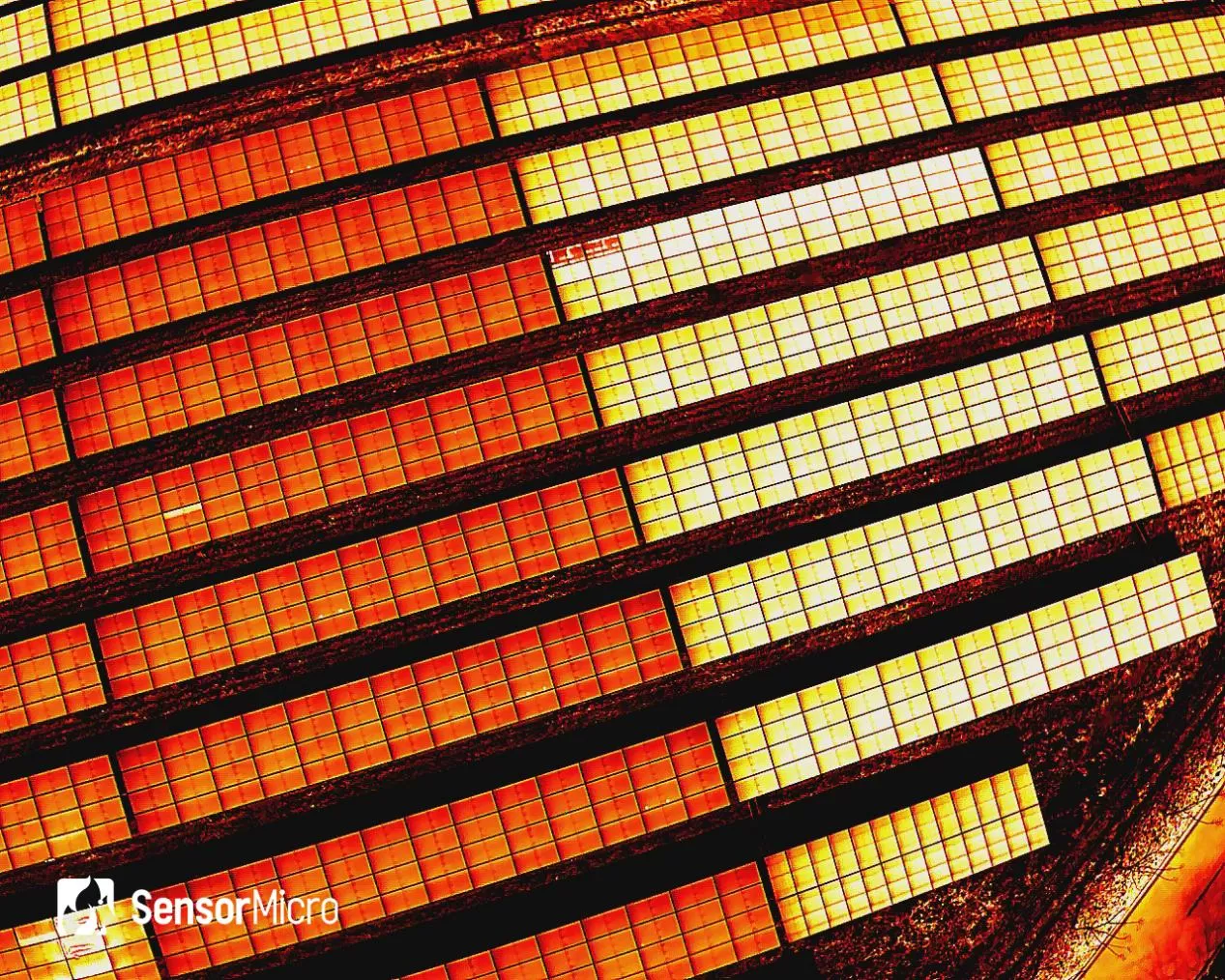
One major benefit is inspection efficiency. Large solar farms containing thousands of panels can be scanned rapidly using handheld thermal cameras or thermal imaging systems. This significantly reduces manual labor and inspection time.
Another advantage is preventive maintenance capability. Thermal imaging enables operators to identify abnormalities before complete equipment failure occurs. Early detection helps reduce maintenance costs while minimizing energy production losses.
Thermal inspection also improves safety because technicians can evaluate energized equipment remotely without direct physical contact. This is especially valuable when inspecting high-voltage components or difficult-to-access rooftop installations.
In addition, thermal imaging supports data-driven asset management. By continuously monitoring temperature trends across photovoltaic systems, operators can better understand equipment health and optimize maintenance planning.
Choosing the Right Thermal Imaging Solution for PV Applications
Selecting the appropriate thermal imaging system depends on inspection requirements, environmental conditions, and system scale.
For photovoltaic applications, several factors are particularly important:
High thermal sensitivity helps detect subtle temperature differences between healthy and defective cells. Better thermal sensitivity improves the ability to identify early-stage faults before they become visible performance issues.
High image resolution enables inspectors to analyze small defects more accurately, especially when inspecting large solar arrays from longer distances.
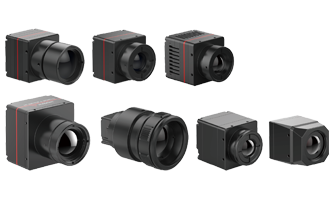
Compact size and low power consumption are also important for UAV integration and portable field inspection devices.
In outdoor photovoltaic environments, thermal cameras should additionally provide stable imaging performance under varying sunlight conditions, ambient temperatures, and weather exposure.
The Growing Role of Thermal Imaging in Renewable Energy
As renewable energy adoption accelerates worldwide, maintaining photovoltaic system reliability has become increasingly critical. Thermal imaging technology provides the photovoltaic industry with a faster, safer, and more scalable method for identifying hidden defects and optimizing system performance.
From detecting solar panel hot spots to enabling intelligent inspection workflows, infrared thermal imaging continues to improve how solar assets are monitored and maintained.
With ongoing advancements in infrared detector technology, image processing algorithms, and AI-assisted analytics, thermal imaging is expected to play an even greater role in the future of smart solar operation and predictive maintenance.


 CN
CN
 EN
EN