A Growing Challenge in Modern Lawn Care
Each year, thousands of small animals are injured or killed during mowing operations. As agricultural machinery becomes larger and faster, and robotic lawn mowers become more common in residential gardens, the risk to wildlife continues to increase.
In agricultural fields, roe deer fawns are particularly vulnerable. Born in late spring, they instinctively remain motionless when danger approaches, hiding in tall grass as a form of protection. However, this survival strategy becomes deadly during mowing season, when machines pass through fields at high speed.
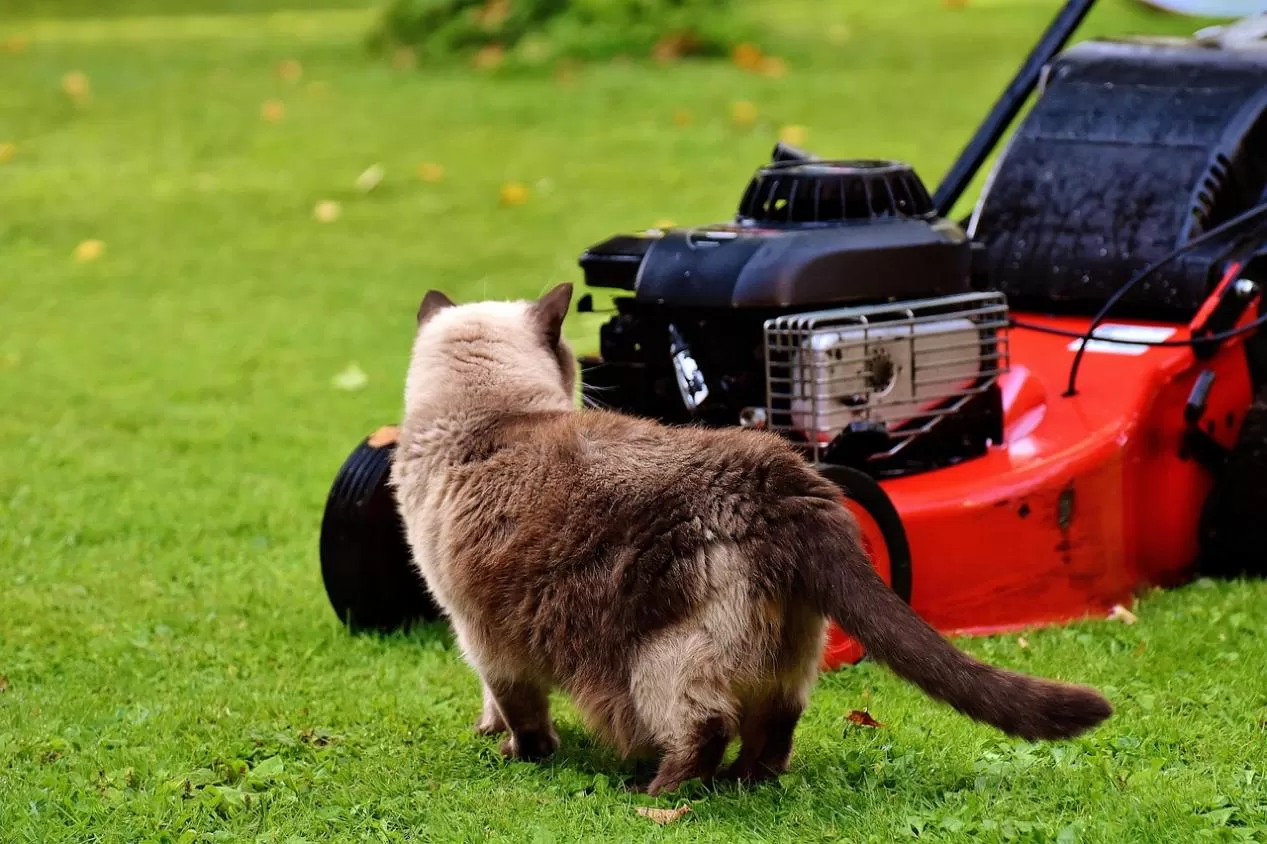
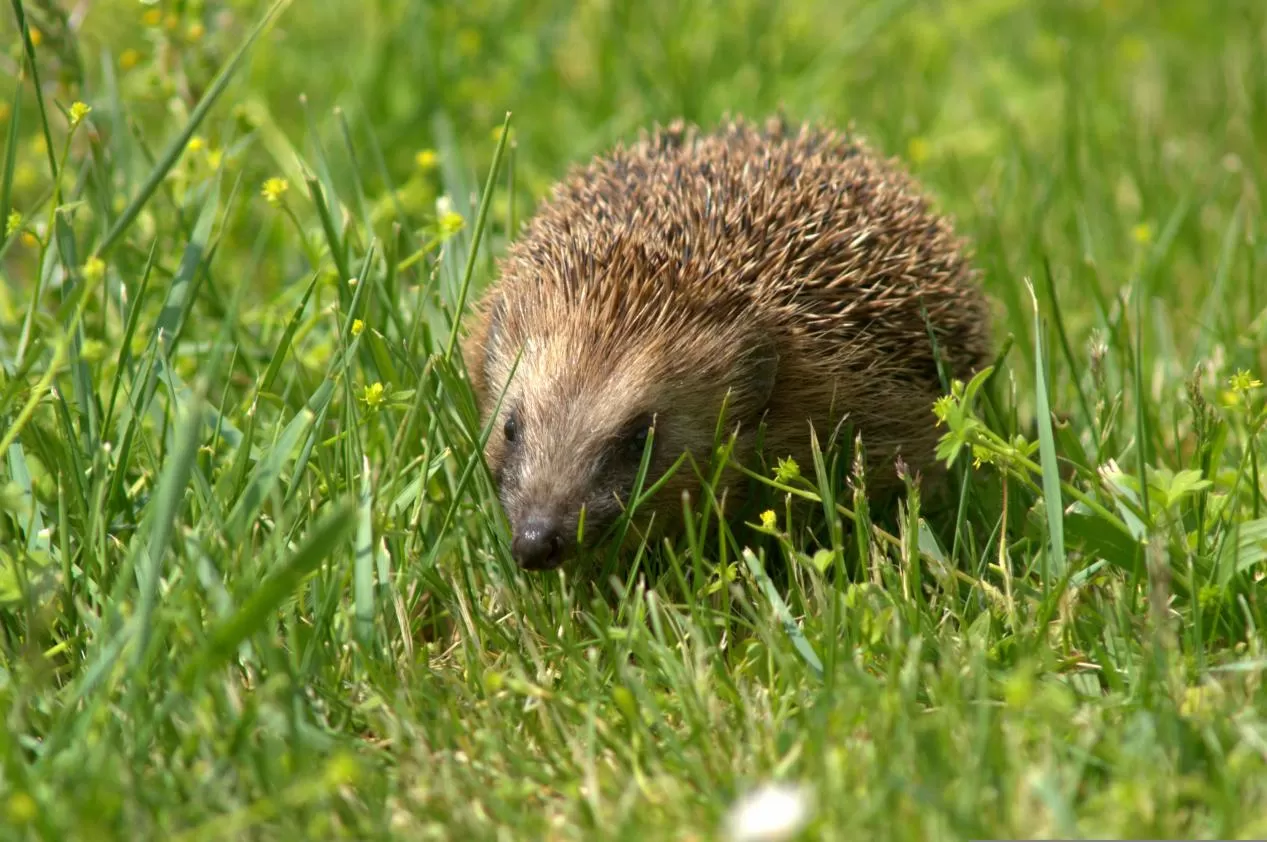
The problem is not limited to farmland. In urban and suburban environments, hedgehogs and other small animals face similar risks from robotic lawn mowers. These animals are often active at night—precisely when many automated mowers are operating—and their natural defensive behavior makes them difficult for machines to detect.
As a result, what was once an efficiency-driven technology is now raising important questions about safety and environmental responsibility.
Why Traditional Detection Methods Fall Short
Detecting small animals in grass is inherently difficult. Their natural camouflage blends seamlessly with the environment, and their tendency to remain still further reduces the chance of being noticed.
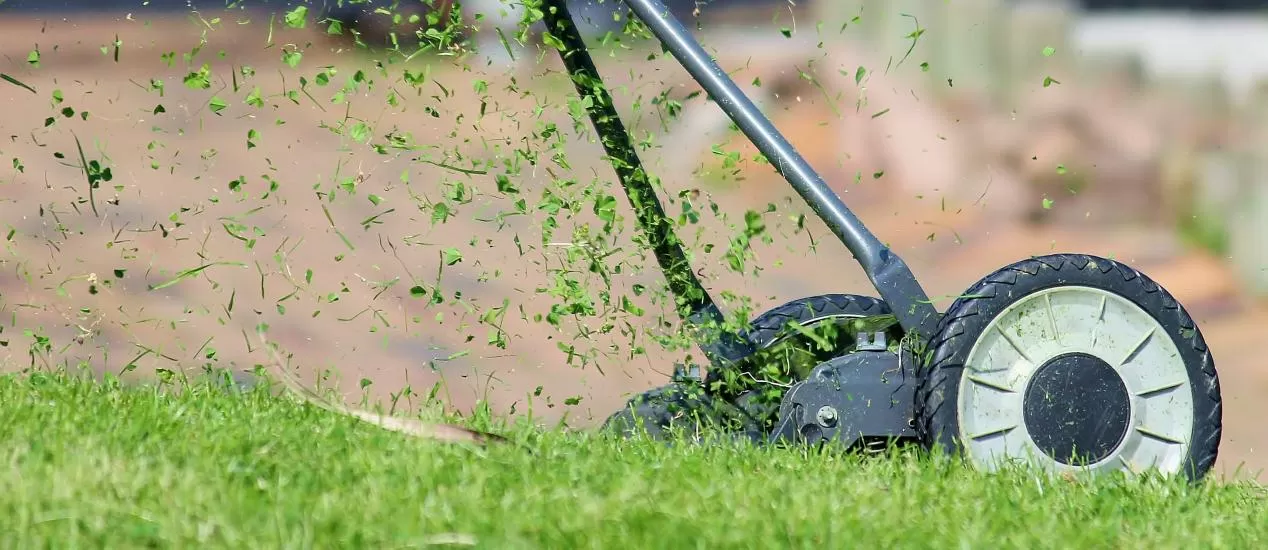
Conventional lawn mowers rely on reactive sensing technologies such as bump detection or basic obstacle avoidance. While these systems can prevent collisions with large objects, they are not designed to identify small, low-profile, or motionless animals. In many cases, detection only occurs after physical contact—when it is already too late.
Thermal Imaging: Enabling Proactive Detection
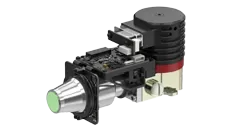
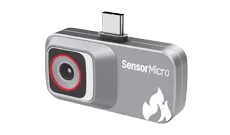
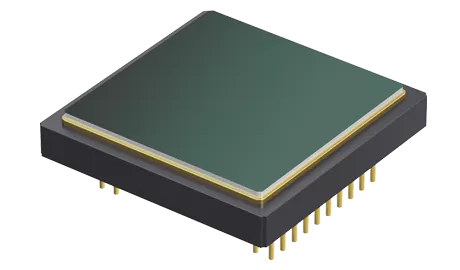
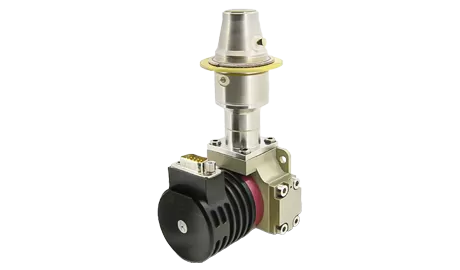
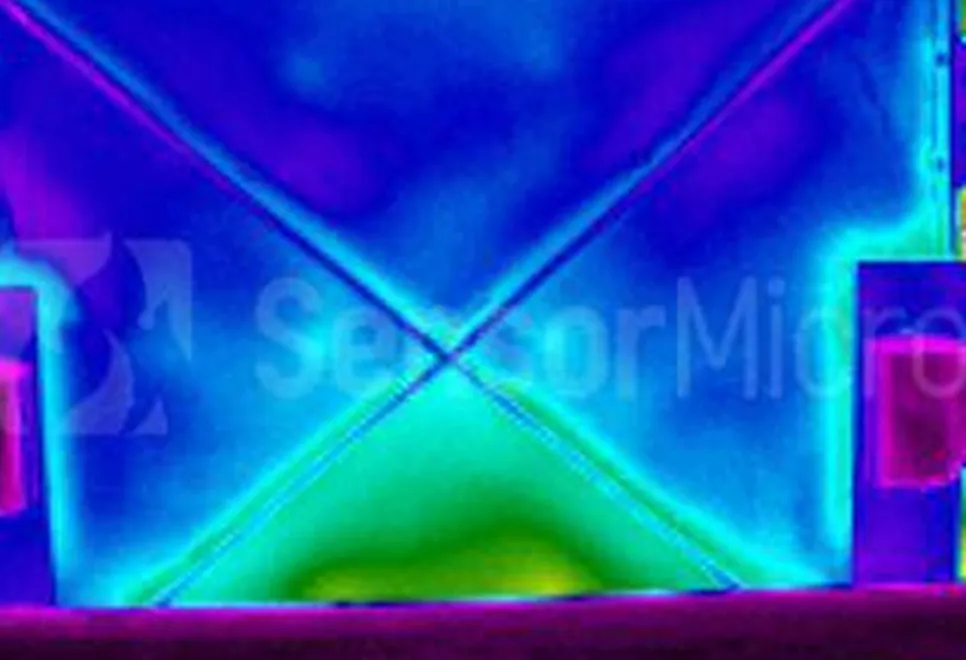
Thermal imaging offers a fundamentally different sensing mechanism. By detecting infrared radiation rather than visible light, it allows hidden animals to be identified based on their heat signatures—even when they are fully camouflaged in grass.
This capability transforms detection from reactive to proactive. Instead of responding to collisions, systems equipped with thermal imaging can identify potential risks in advance and take preventive action.
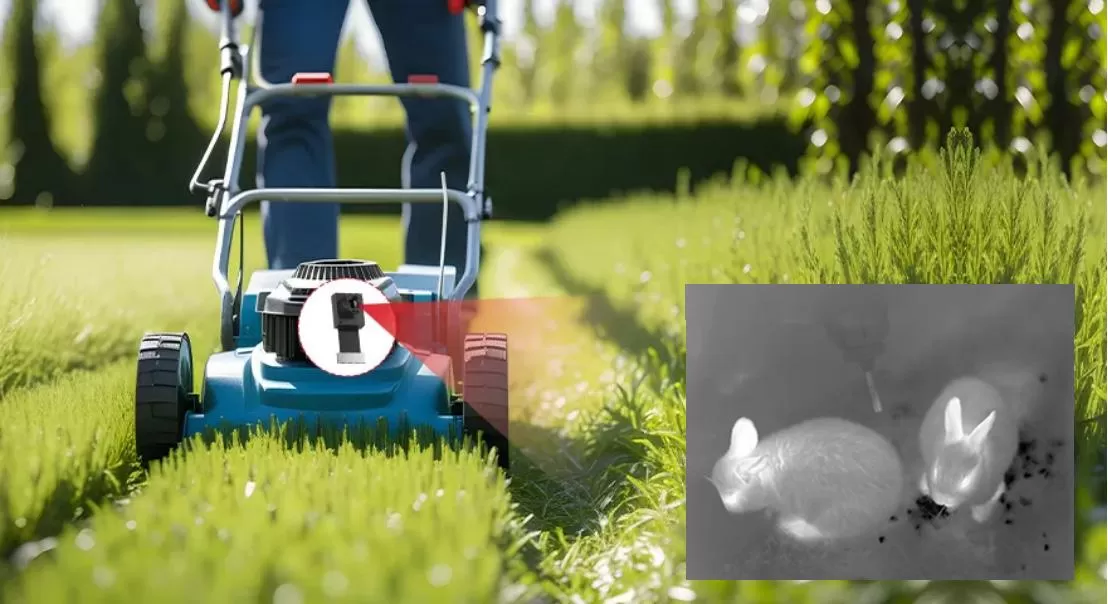
By integrating thermal imaging into robotic lawn mowers, detection can take place continuously and in real time. Instead of relying on pre-inspection or reacting to collisions, machines can actively monitor their surroundings and identify living beings before contact occurs.
When combined with artificial intelligence and other sensing technologies, thermal imaging enables a shift from simple automation to intelligent perception—allowing lawn mowers to respond dynamically to their environment.
A Step Toward Responsible Automation
The integration of thermal imaging into lawn care equipment reflects a broader shift in the industry. Efficiency alone is no longer the sole priority—safety, sustainability, and ecological impact are becoming equally important.
In regions with strict wildlife protection regulations, avoiding harm to animals is not only an ethical responsibility but also a legal requirement. At the same time, growing consumer awareness is encouraging manufacturers to adopt more environmentally responsible technologies.
Thermal imaging provides a practical and scalable solution to these challenges, enabling smarter, safer, and more sustainable lawn care.


 CN
CN
 EN
EN