Type-II Superlattice (T2SL) technology has emerged as one of the most promising material systems for next-generation infrared detection. Originally proposed in the late 20th century, T2SL materials have rapidly evolved and are now widely considered a strong alternative to traditional mercury cadmium telluride (MCT) detectors.
A Type-II Superlattice is an artificially engineered periodic structure composed of alternating semiconductor layers with nanometer-scale thickness. Unlike bulk materials, T2SL enables bandgap engineering through layer thickness control, rather than material composition.
Built on III-V compound semiconductors such as InAs, GaSb, and AlSb, T2SL structures enable precise engineering of electronic band structures. This flexibility allows the development of high-performance infrared detectors with enhanced sensitivity, uniformity, and scalability.
Today, T2SL is regarded as a key technology for third-generation infrared detectors, supporting applications across industrial monitoring, environmental sensing, and advanced imaging systems.
Key Advantages of T2SL Infrared Detectors
As one of the most advanced technologies in cooled infrared detection, Type-II Superlattice has demonstrated unique advantages in developing long-wave, dual-band, large-format, and high-operating-temperature (HOT) detectors.
Compared with traditional mercury cadmium telluride (MCT) detectors, T2SL offers several distinct advantages:
1. Wider Spectral Coverage and Higher Operating Temperature
T2SL enables precise bandgap engineering through layer thickness control, allowing:
This makes T2SL particularly suitable for high-operating-temperature (HOT) systems, reducing cooling requirements and overall system complexity. By leveraging T2SL material advantages, SensorMicro's cooled infrared focal plane arrays (FPAs) are capable of operating at temperatures up to 160K, significantly higher than conventional solutions. HOT capability is especially valuable in applications where portability and system efficiency are critical.
2. Lower Dark Current and Higher Efficiency in LWIR & Dual-Band Detection
Thanks to its unique band structure and suppressed carrier recombination mechanisms, T2SL exhibits:
Significantly lower dark current
Improved signal-to-noise ratio
Higher detection efficiency in long-wave and dual-band applications
These advantages are critical for applications such as long-range surveillance and advanced thermal imaging.
3. High Detectivity and Excellent Uniformity for Large-Format Arrays
T2SL detectors offer:
High detectivity (D*) performance
Outstanding material uniformity across wafers
Better scalability for large-format focal plane arrays (FPAs)
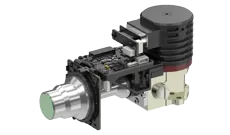
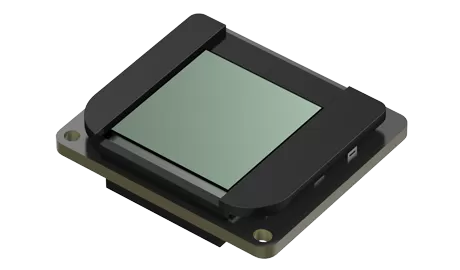
This makes T2SL an ideal choice for high-resolution imaging systems and applications requiring large-area detectors. A representative example is the C2510H cooled infrared thermal detector, which features a 2560×2048/10μm format based on T2SL technology, demonstrating the scalability and maturity of T2SL in high-resolution applications.
In addition, T2SL performs better in small pixel size designs, where it helps reduce crosstalk effects and maintain image quality.
SensorMicro's HOT product lineup covers resolutions ranging from mainstream 640 × 512 arrays to ultra-large 2560 × 2048 formats, with pixel size as small as 7.5μm, meeting the growing demand for high-resolution and compact infrared systems.
Technology Selection: MCT or T2SL?
MCT remains a preferred option for applications that require:
High quantum efficiency (>75%) and ultimate sensitivity
Proven performance in MWIR
Mature manufacturing and stable supply for large-volume deployment
Cost advantages in standardized formats (e.g., 640 × 512)
However, as detector design trends move toward higher resolution and smaller pixel size, certain limitations become more pronounced. In particular, pixel crosstalk increases as pixel size shrinks, which can impact image quality in advanced high-resolution systems. As infrared systems continue to evolve toward higher resolution, lower SWaP (Size, Weight, and Power), and greater functionality, T2SL is playing an increasingly important role in enabling next-generation capabilities.
Rather than competing directly, these two technologies are often complementary, enabling optimized solutions for different application needs.

As a manufacturer with expertise in both MCT and T2SL core technologies, SensorMicro is uniquely positioned to support customers in selecting the most suitable infrared solution.
By leveraging vertically integrated capabilities from detector design to module and camera core integration, SensorMicro provides customized detector solutions and reliable performance across diverse scenarios.
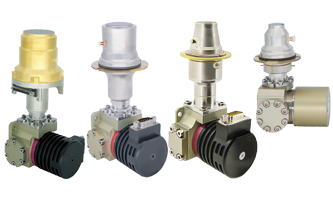
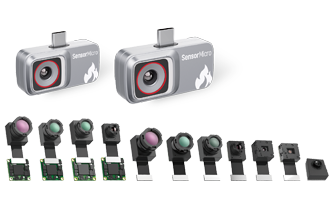
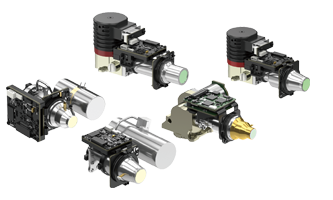
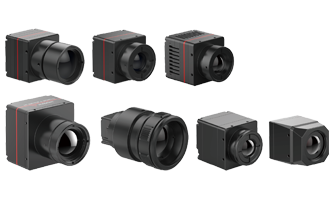
Explore our MCT and T2SL product portfolio:
https://www.sensormicro.com/products/


 CN
CN
 EN
EN