Introduction
Traditional white goods such as air conditioners, refrigerators, and washing machines have long relied on basic temperature sensors to regulate performance. However, these sensors typically measure temperature at a single point, making it difficult to accurately reflect the overall thermal condition of the environment.
This limitation often leads to common issues, such as uneven cooling, inefficient energy usage, and reduced user comfort.
With the rapid development of smart home technologies and AIoT, there is a growing demand for appliances that can sense, analyze, and respond intelligently to real-world conditions. This is where infrared thermal imaging technology is making a significant impact—bringing a new level of intelligence and precision to modern white goods.
What Is Infrared Thermal Imaging in Home Appliances?
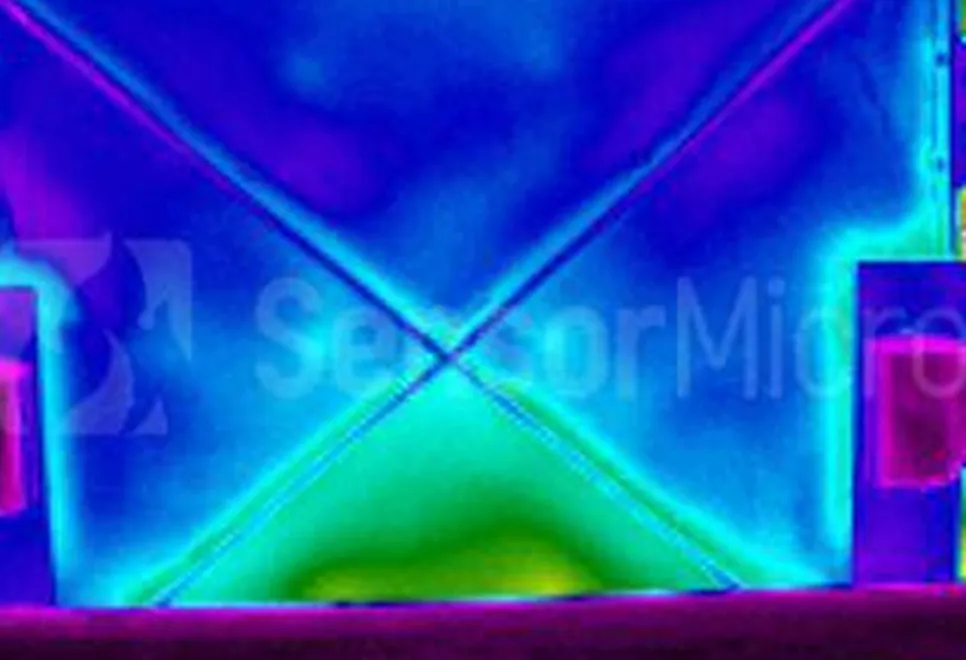
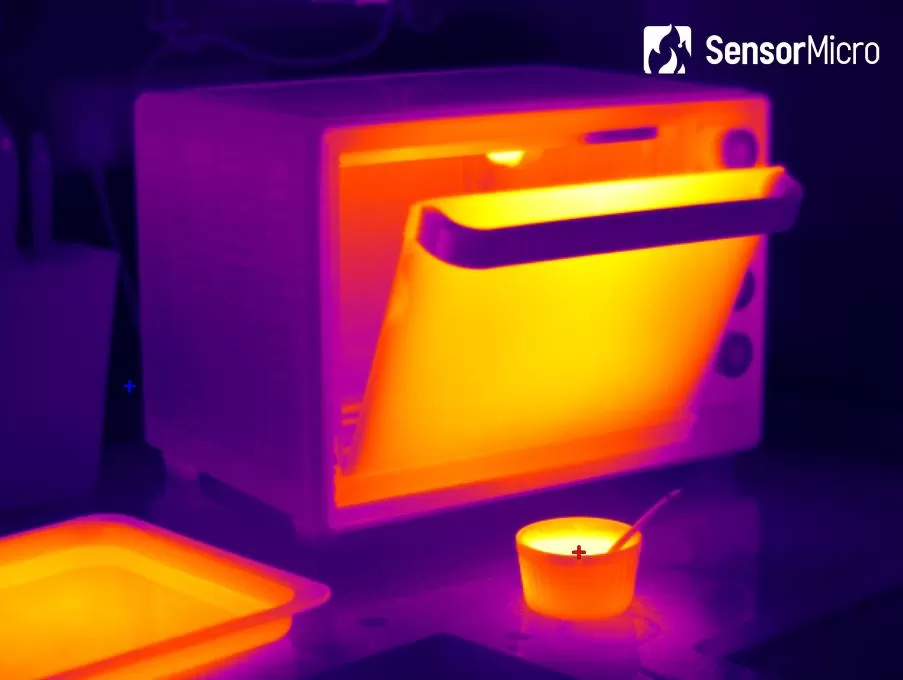
Infrared thermal imaging is a technology that detects heat distribution across a surface or environment, allowing appliances to understand temperature variations more accurately.
In the context of white goods, this means appliances can monitor temperature distribution instead of a single point, detect human presence or activity, and adjust operation dynamically for optimal performance.
This shift from point sensing to thermal perception is a key step toward truly intelligent appliances.
Key Applications of Thermal Imaging in White Goods
2.1 Air Conditioners and HVAC Systems
Thermal imaging technology significantly improves the performance of air conditioning systems by enabling precise temperature control.
In conventional air conditioners, temperature sensors are typically located near the air inlet or outlet of the indoor unit. This means they can only measure the temperature in a very limited area, which often does not reflect the actual conditions experienced by users. This explains a common real-life scenario: in the same room, some people may feel too cold while others feel too warm, leading to constant adjustments of the air conditioner. The root cause is the uneven distribution of indoor temperature, where the temperature perceived by the air conditioner does not match the temperature around the human body.
In recent years, features such as soft airflow and intelligent air deflection have shown that modern HVAC systems can already control airflow direction.
By integrating thermal imaging technology, air conditioners can go one step further—enabling targeted temperature sensing. Instead of relying on a single-point measurement, thermal imaging technology can detect temperature distribution and even identify occupied areas. This allows the system to perform localized cooling or heating, delivering conditioned air precisely where it is needed. As a result, the air conditioner can improve user comfort by matching the real perceived temperature, reduce energy consumption by avoiding unnecessary whole-room cooling, and enable smarter, demand-based climate control.
This shift from uniform temperature control to targeted thermal management represents a major step forward in smart HVAC technology.
2.2 Refrigerators
In refrigerators, thermal imaging technology helps monitor internal temperature distribution, ensuring consistent cooling across different compartments. This enables better food preservation, early detection of cooling issues, and reduced energy consumption. By identifying uneven cooling or insulation problems, manufacturers can significantly improve product performance.
2.3 Washing Machines and Dryers
Thermal imaging technology can enhance washing and drying processes by enabling accurate temperature control. Applications include optimizing water temperature and improving drying efficiency. This results in more efficient operation and better fabric care.
2.4 Kitchen Appliances
Thermal imaging technology is also increasingly used in kitchen appliances such as ovens and induction cookers. It helps achieve more uniform heating, overheating protection, and smarter cooking control.
By integrating infrared thermal imaging technology, appliances can enable precise monitoring of cooking temperatures, ensuring optimal heat distribution throughout the cooking process. This allows for more consistent cooking results, improved food quality, and enhanced safety, especially in applications that require strict temperature control.
Key Advantages of Thermal Imaging in White Goods
3.1 More Accurate Temperature Control
Thermal imaging technology provides a full-field view of temperature, allowing appliances to respond more precisely than traditional sensors.
3.2 Improved Energy Efficiency
By optimizing operations based on real-time thermal data, appliances can significantly reduce unnecessary energy consumption.
3.3 Enhanced User Comfort
Thermal imaging technology enables appliances to adapt to human presence and environmental changes, creating a more comfortable user experience.
3.4 Predictive Maintenance
Thermal imaging technology can detect abnormal heat patterns, helping identify potential faults before they lead to system failure.
3.5 Safer Operation
By monitoring temperature in real time, thermal imaging technology helps prevent overheating and improves overall safety.
Conclusion
Infrared thermal imaging technology is transforming white goods by enabling appliances to see and understand temperature in a completely new way.
From air conditioners and refrigerators to washing machines and kitchen appliances, thermal imaging technology enhances performance, improves energy efficiency, and delivers a better user experience.
As smart home technologies continue to evolve, thermal imaging technology is set to become a core technology in next-generation white goods—driving innovation across the entire home appliance industry.


 CN
CN
 EN
EN