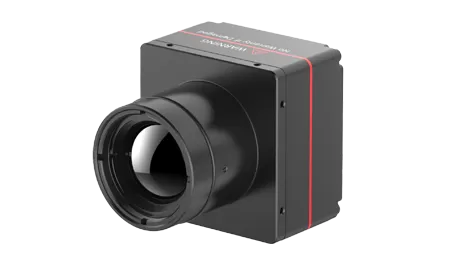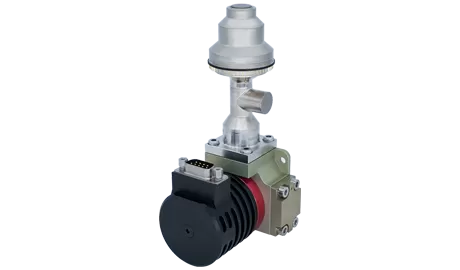
Modern power grids are no longer simple, linear systems. Aging infrastructure, fluctuating demand, and the growing integration of renewable energy have made grid operations more complex and more vulnerable to failure. In this environment, thermal imaging has evolved from a niche inspection tool into a critical part of how utilities maintain reliability and prevent disruption.
Why Thermal Imaging Matters in Electrical Grids
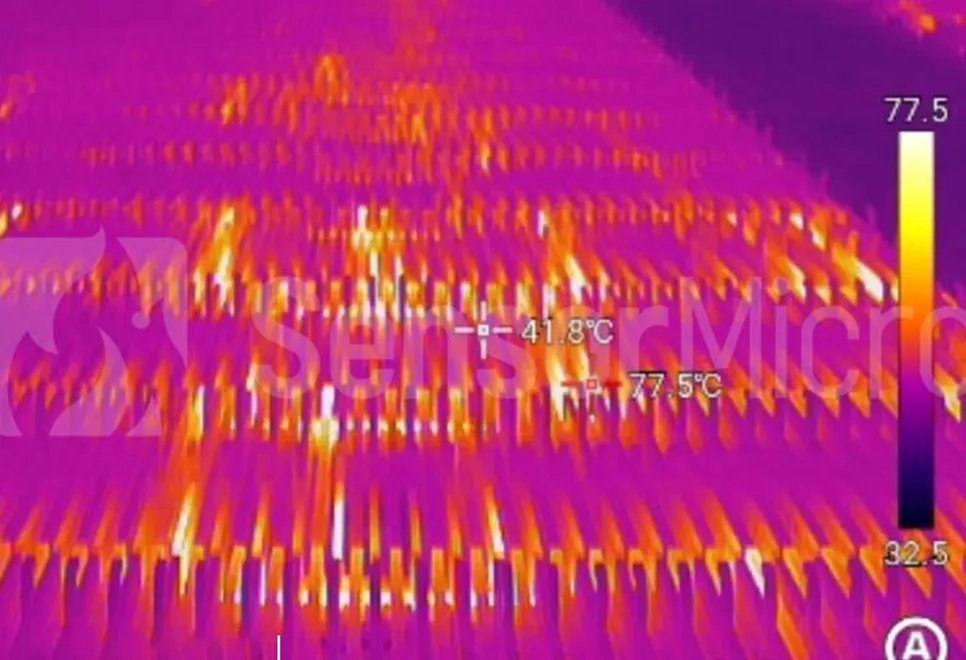
Every electrical component generates heat during normal operation. What matters is not the presence of heat itself, but how it behaves. Subtle temperature deviations often reveal issues long before they become visible failures, whether caused by increased resistance, poor connections, or insulation breakdown.
Thermal imaging makes these hidden signals visible. By translating infrared radiation into clear thermal patterns, it allows engineers to assess equipment condition in real time without interrupting operations. Instead of waiting for faults to manifest, maintenance teams can identify anomalies at a much earlier stage, when intervention is still simple and low-cost.
From Reactive Repairs to Predictive Maintenance
The real value of thermal imaging lies in how it reshapes maintenance philosophy. Traditional approaches tend to rely on scheduled inspections or respond only after a failure has occurred. Thermal imaging, by contrast, introduces continuity into the process.
When inspections are performed regularly, patterns begin to emerge. A connector that gradually runs hotter than its surroundings, a transformer that shows uneven thermal distribution—these are not isolated observations, but part of a developing story. Over time, thermal data provides context, allowing engineers to distinguish between normal variation and early-stage faults.
This shift enables maintenance decisions to be based on condition rather than assumption. Equipment is no longer serviced simply because a schedule dictates it, but because its thermal behavior indicates a genuine need.
Detecting Faults Across Critical Grid Assets
Across the grid, most failure modes leave a thermal signature. What makes thermal imaging so powerful is its ability to reveal these signatures without physical contact.
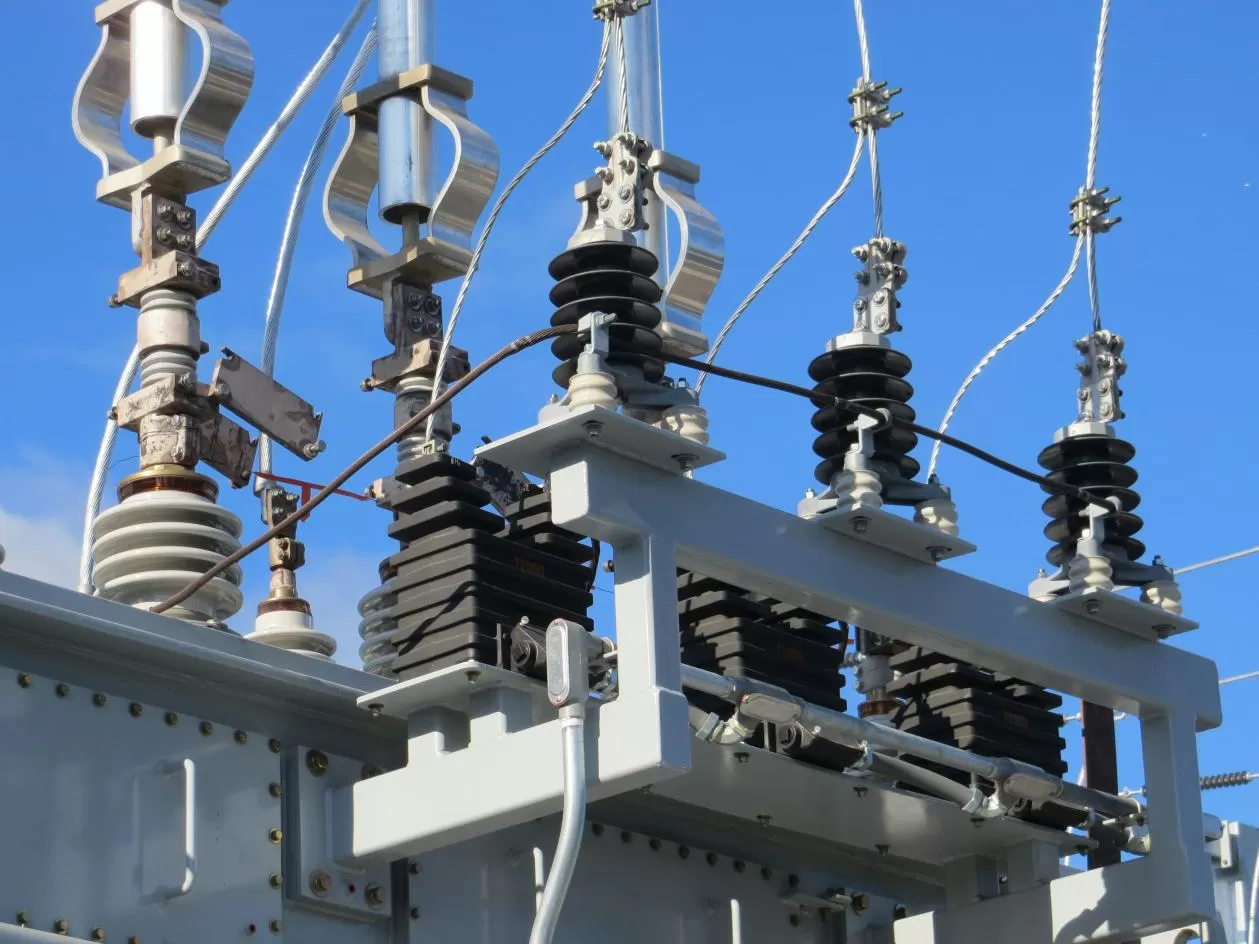
In transformers, abnormal heat can point to winding issues or cooling inefficiencies. In switchgear, localized hotspots often indicate deteriorating contacts or increased electrical resistance. Transmission lines and connectors may exhibit elevated temperatures when loosened or corroded, while insulators can reveal contamination or internal defects through uneven heating patterns.
Because these inspections can be carried out while systems remain energized, they provide a realistic picture of operating conditions—something that offline testing often fails to capture.
Enhancing Safety and Inspection Efficiency
Working around high-voltage equipment always carries risk. Thermal imaging reduces that risk by allowing inspections to be conducted at a distance, without direct interaction with live components. Engineers no longer need to rely solely on manual checks or invasive testing methods to assess system health.
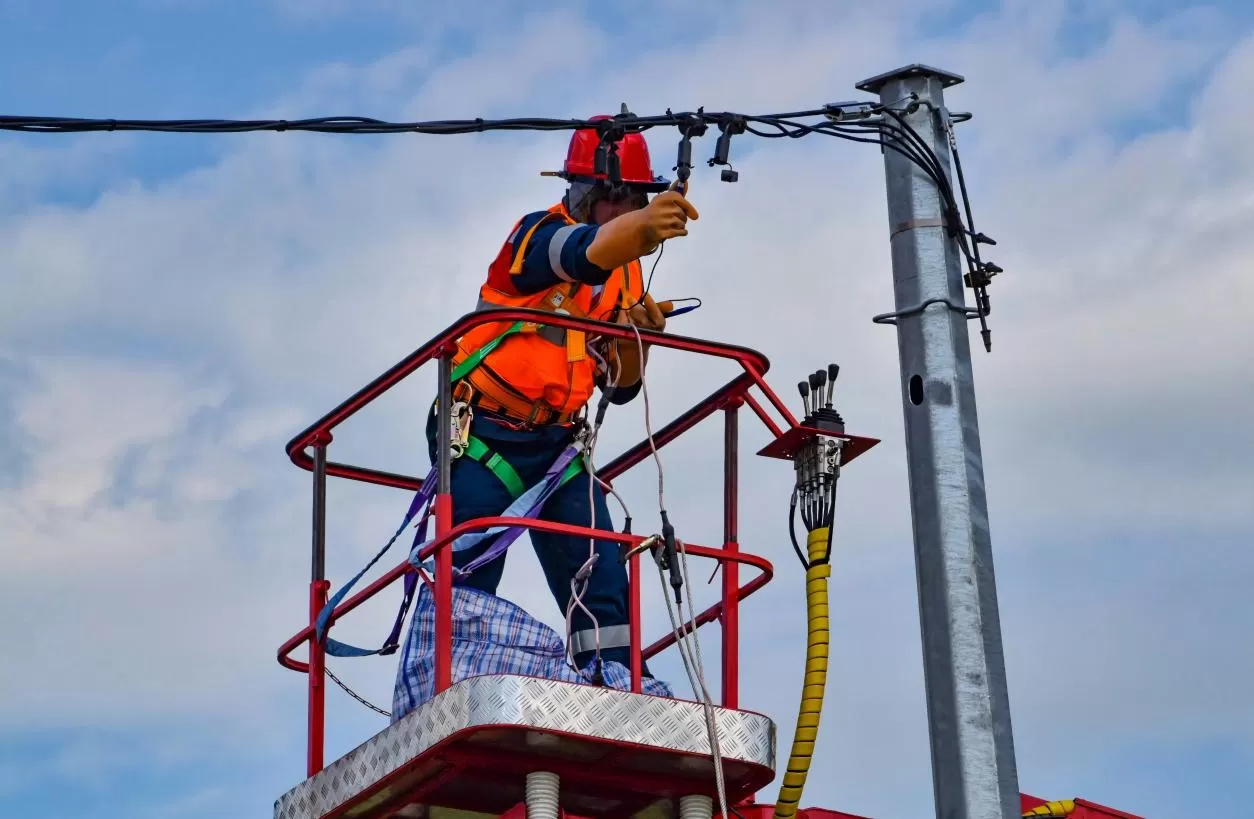
At the same time, inspection efficiency improves significantly. Large substations or transmission networks can be scanned quickly, with critical issues standing out immediately in thermal contrast. What once required prolonged manual inspection can now be accomplished in a fraction of the time, with greater consistency and accuracy.
Enabling Data-Driven Grid Management
As power systems become more digital, thermal imaging is increasingly integrated into broader data ecosystems. The value is no longer limited to a single inspection, but extends to how data is accumulated and interpreted over time.
Historical thermal records allow utilities to identify long-term trends, compare asset performance, and prioritize maintenance based on actual risk rather than theoretical models. In this context, thermal imaging becomes more than a diagnostic tool—it becomes a source of operational intelligence that supports smarter decision-making across the grid.
Reducing Downtime and Maintenance Costs
Unplanned outages are among the most costly challenges utilities face. They disrupt service, damage equipment, and often require urgent, resource-intensive repairs.
By identifying issues early, thermal imaging helps prevent these scenarios from unfolding. Small thermal anomalies can be addressed before they escalate, avoiding both system failure and the cascading consequences that often follow. Over time, this approach not only improves reliability but also reduces the overall cost of maintenance by shifting effort away from emergency response and toward planned intervention.
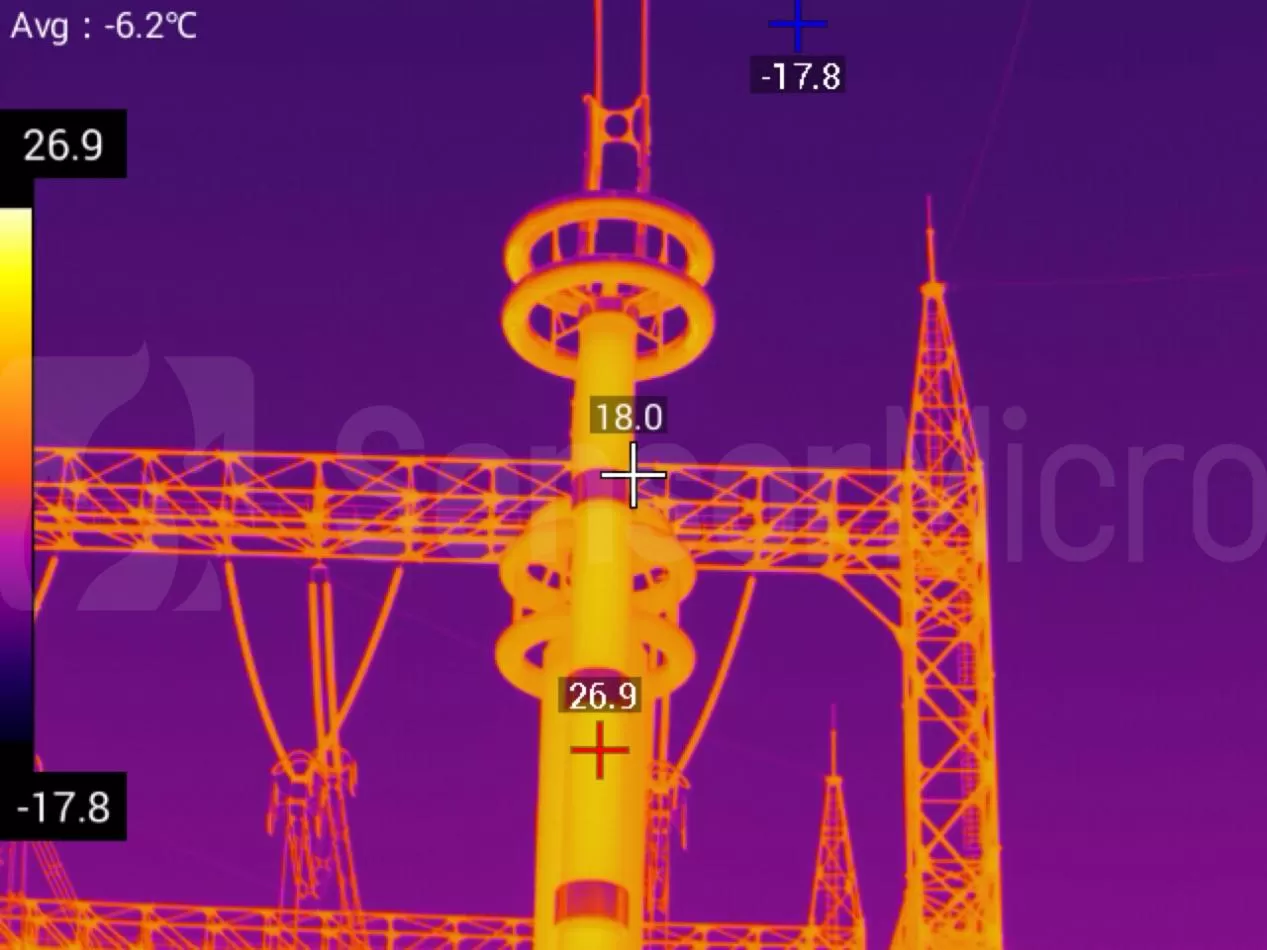
Thermal imaging has become an indispensable part of modern grid maintenance. Its ability to reveal hidden faults, support predictive strategies, and enhance both safety and efficiency makes it a cornerstone of reliable power delivery.


 CN
CN
 EN
EN