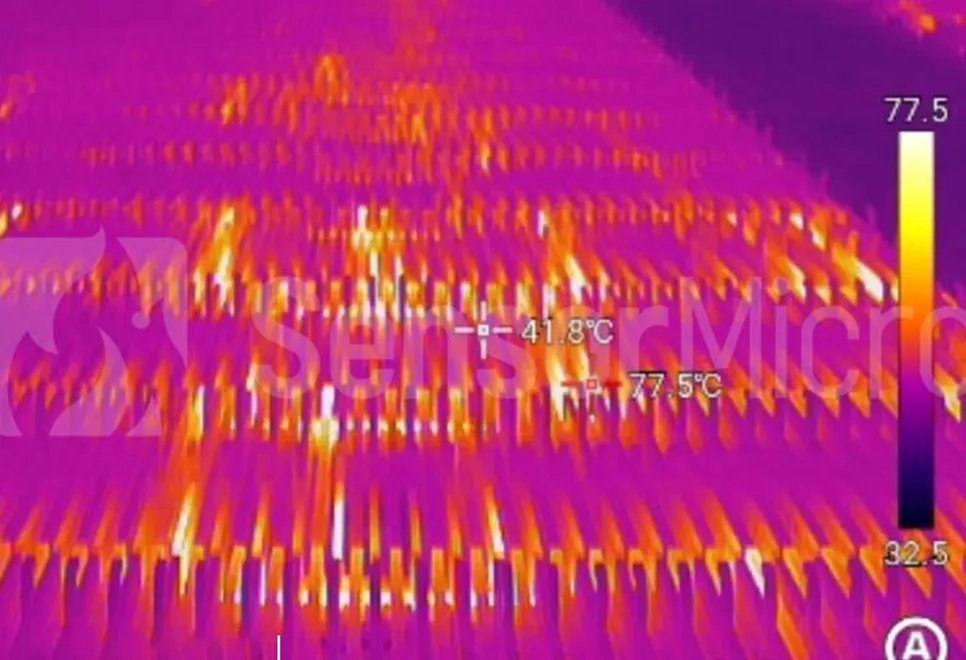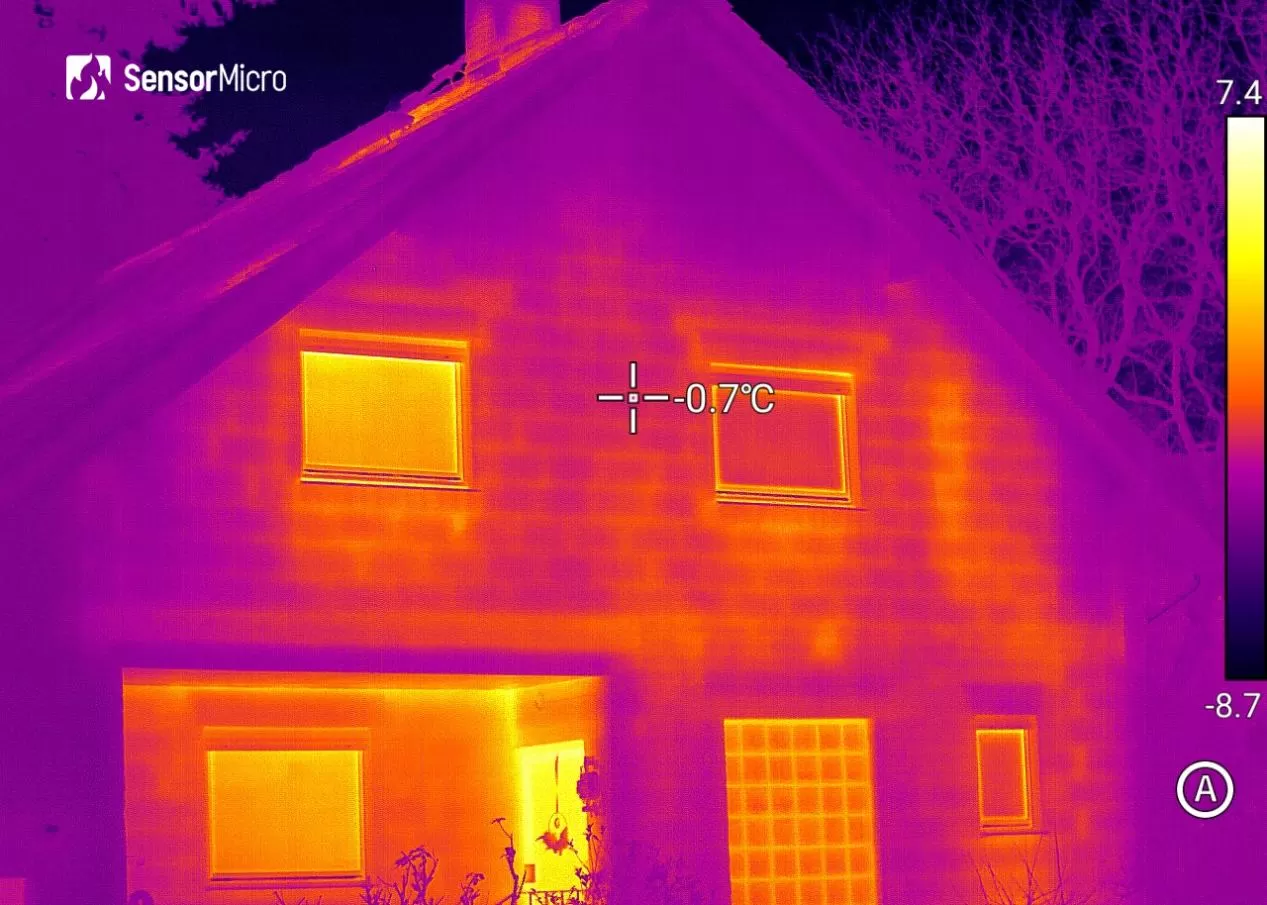
Hidden faults rarely make an obvious entrance. A wall can look perfectly intact while moisture spreads behind it. Electrical systems may appear stable right up until the moment they fail. By the time visible signs emerge, the damage is often already done.
This is where thermal imaging proves its value. Rather than relying on surface-level observation, it captures how heat behaves across a system, and that often tells a much deeper story.
So, can thermal cameras detect hidden faults? Yes, but understanding how they do it is key to using them effectively.
How Thermal Cameras Reveal Hidden Problems
A common misconception is that thermal cameras can see through walls or equipment. In reality, they do something more subtle—and far more useful.
They measure infrared radiation, which is simply the heat emitted by objects, and translate those temperature differences into a visual image. When a system is functioning normally, heat distribution tends to follow predictable patterns. Once something goes wrong, those patterns begin to shift.
A loose electrical connection, for instance, often leads to localized overheating. Moisture trapped behind a surface may cause cooling effects due to evaporation. Air leakage can create uneven temperature zones that disrupt what should otherwise be a consistent thermal profile.
Thermal cameras capture these irregularities with remarkable clarity. They don’t show the hidden fault directly, but they make its presence difficult to miss.
Where Thermal Imaging Excels in Detecting Hidden Faults
The usefulness of thermal imaging becomes especially clear across different real-world scenarios.
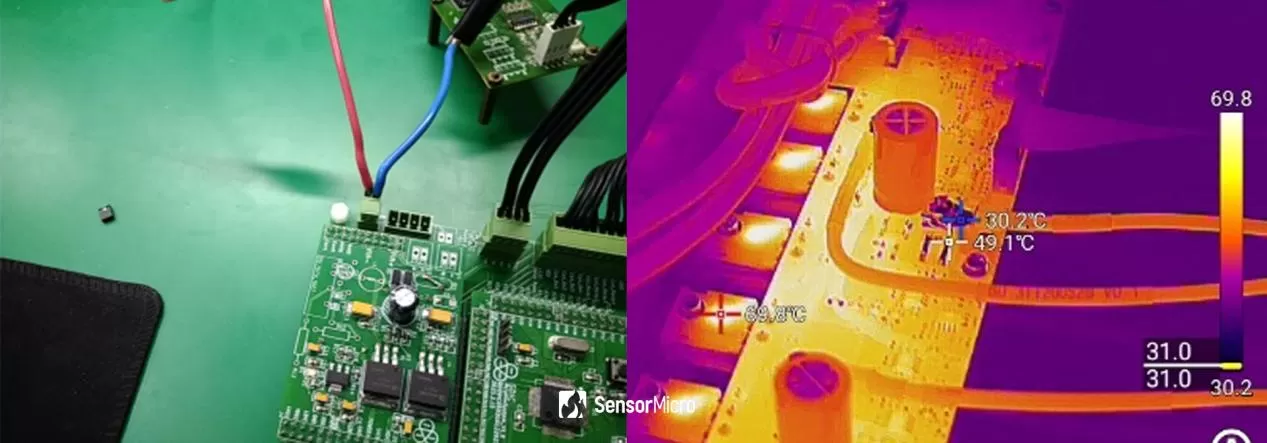
In electrical systems, even a minor increase in resistance can gradually generate excess heat. Long before a component fails, that heat buildup becomes visible through thermal imaging, allowing issues to be addressed early rather than reactively.
In building inspections, moisture intrusion is one of the most common hidden problems. Water behaves differently from surrounding materials, so areas affected by leaks or dampness often stand out as cooler or inconsistent regions in a thermal image. This makes it possible to locate issues without opening up walls or ceilings.
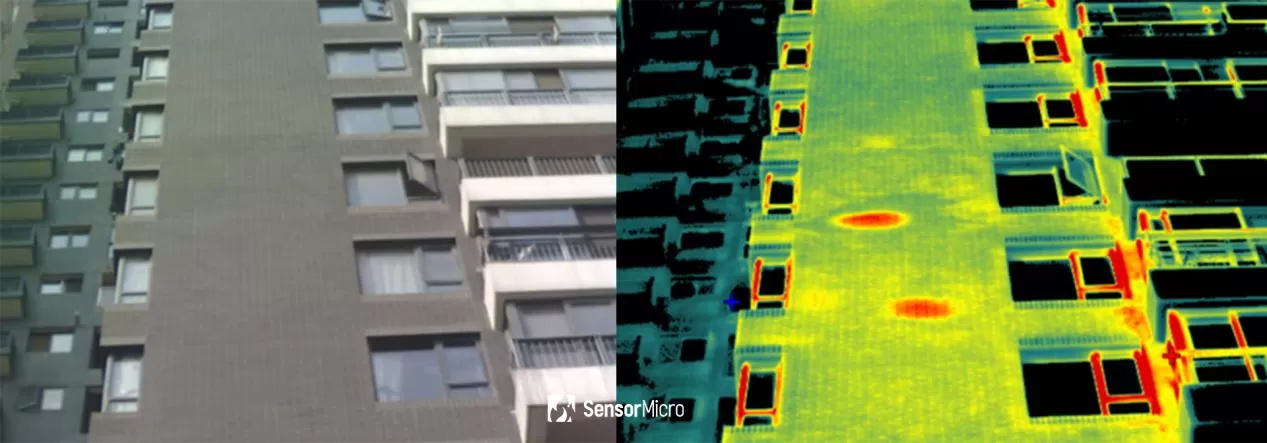
Insulation defects and air leaks present a different kind of challenge. They rarely leave visible traces, yet they significantly impact energy efficiency. Thermal imaging reveals these weaknesses by highlighting where heat escapes or accumulates in unexpected ways.
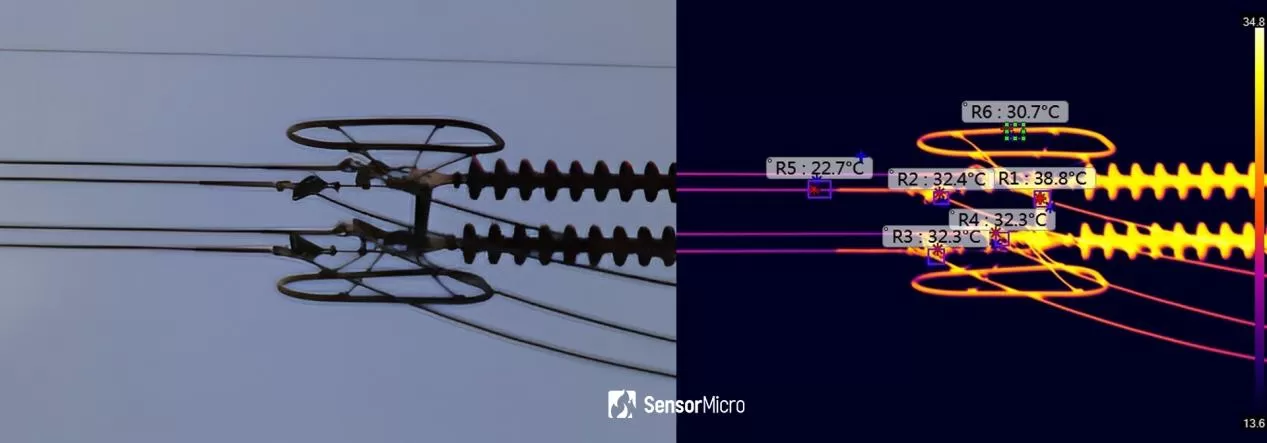
In industrial environments, the technology plays a critical role in maintenance. Components such as bearings, motors, and pumps tend to exhibit subtle thermal changes as they wear or become misaligned. Detecting those changes early can prevent costly downtime and unplanned failures.
Why Thermal Imaging Is So Effective
What makes thermal imaging particularly powerful is that most faults regardless of their nature eventually influence temperature in some way.
Instead of waiting for visible damage, inspectors can observe how heat behaves under normal operating conditions and identify deviations that suggest something is wrong. This approach allows inspections to be carried out while equipment is still running, without interrupting operations or dismantling structures.
It also explains why thermal imaging is widely adopted across industries such as power generation, manufacturing, and building diagnostics. The ability to detect issues early, safely, and non-invasively offers a clear advantage over traditional inspection methods.


 CN
CN
 EN
EN