Earth Day 2026 continues to highlight the shared responsibility of protecting the planet. The global focus is shifting from awareness to real action. Alongside renewable energy and carbon reduction, another urgent issue needs attention. Many harmful gas emissions remain invisible during daily industrial operations, yet they have a direct impact on climate, safety, and public health.
Infrared Gas Imaging Makes the Invisible Visible
In sectors such as oil and gas, petrochemicals, and power generation, gases like methane, carbon dioxide, sulfur hexafluoride, and various volatile organic compounds are often released without clear signs. These gases are usually colorless and odorless, which makes them difficult to detect with traditional inspection methods. Point sensors can only monitor fixed locations, and manual inspections often cover limited areas, so leaks may remain undetected for long periods.
Conventional detection tools are not designed for wide-area inspection. They often require close proximity and repeated manual checks, which increases both workload and safety risk. In complex industrial environments, this approach makes it difficult to identify the exact source of a leak in time.
As environmental regulations become stricter, industries are expected to improve both detection accuracy and response speed. This creates a clear need for technologies that can provide visible, real-time insight into gas emissions instead of relying only on indirect measurements.
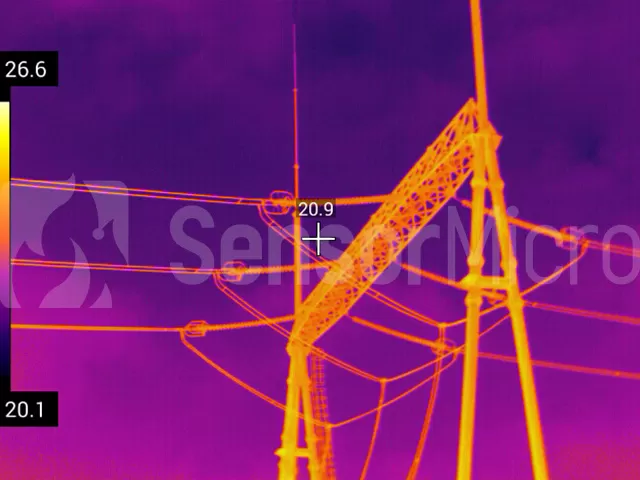
Consider sulfur hexafluoride in high-voltage substations. Its global warming potential is roughly 23,500 times that of CO₂ over a 100-year period. A minor leak, left unchecked, carries a disproportionate environmental cost. Traditional detection often struggles with early-stage releases. Infrared imaging, by contrast, captures the plume as it forms, allowing intervention before losses escalate.
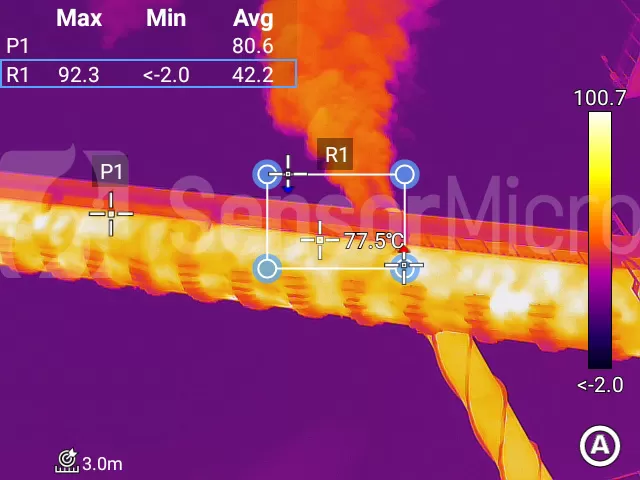
Or take volatile organic compounds in petrochemical plants. These gases disperse quickly, diluting below the threshold of many contact sensors. Infrared systems, operating at a distance, track the plume itself rather than its residual concentration.
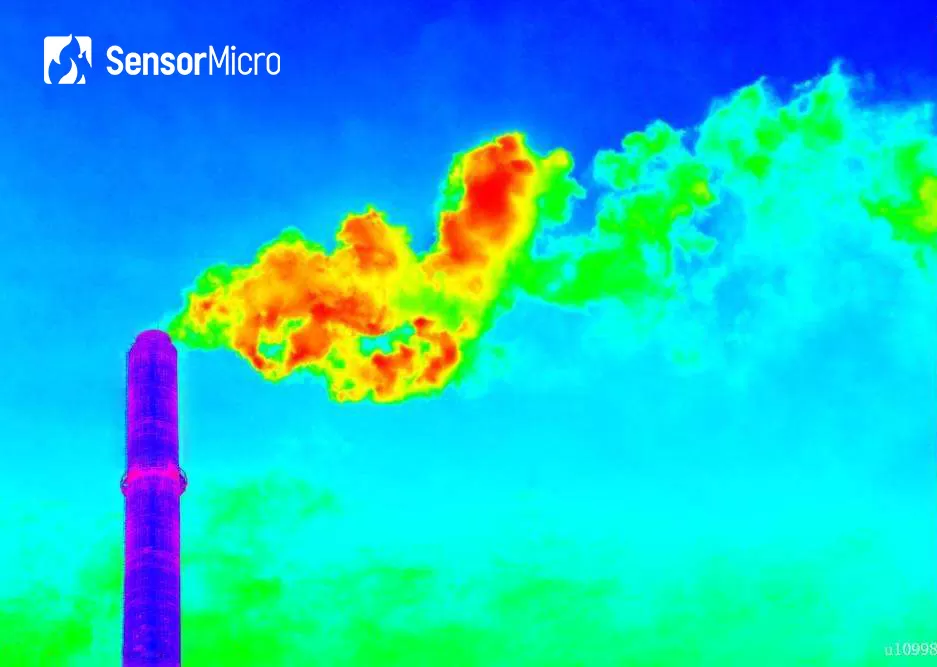
Infrared gas imaging offers a more direct way to detect gas leaks. The technology is based on the infrared absorption characteristics of different gases. When a gas cloud absorbs radiation within a specific wavelength range, it creates a contrast with the background, which can be captured by a dedicated infrared camera.
This process allows operators to observe gas leaks as visible plumes on the screen. The inspection can be carried out from a safe distance, and the results are available in real time. Compared with traditional methods, this approach improves efficiency and reduces the risk of missed emissions.
Global environmental policies are placing increasing pressure on industries to control emissions and improve transparency. Leak detection and repair programs are now a standard requirement in many regions, especially in energy and chemical sectors. Leak Detection and Repair (LDAR) programs, methane reduction mandates, and carbon neutrality targets all depend on reliable, repeatable measurement technologies.
Infrared gas imaging is widely recognized as an effective solution for these requirements. It helps companies detect leaks earlier, respond faster, and document inspection results more clearly. This not only supports compliance, but also contributes to long-term sustainability goals by reducing unnecessary emissions.
SensorMicro Optical Gas Imaging Solutions for Environmental Protection
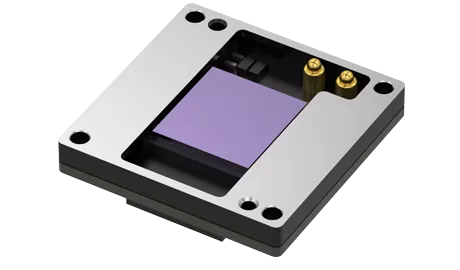
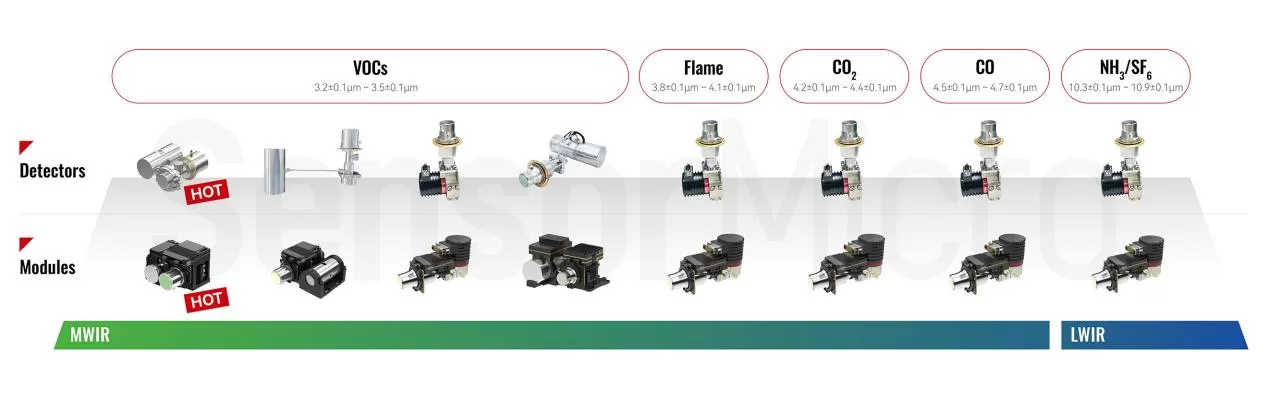
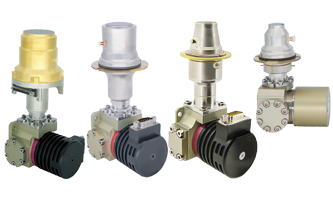
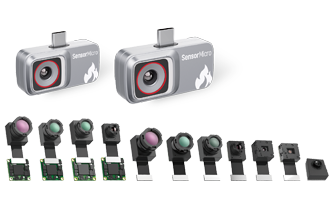
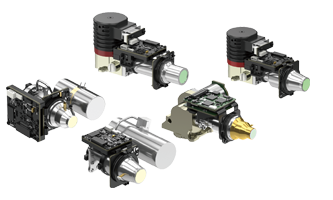
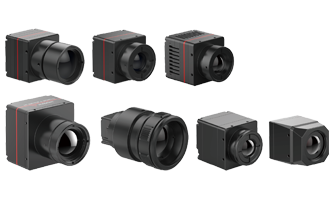
SensorMicro develops both mid-wave (MWIR) and long-wave (LWIR) infrared detectors and camera cores tailored to the spectral characteristics of different gases.
In petrochemical environments, gas leak detection is a frequent task. Traditional tools often have limited detection distance and cannot provide a clear visual result. This makes it difficult to identify leaks of gases such as methane and benzene.
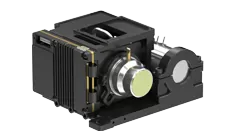
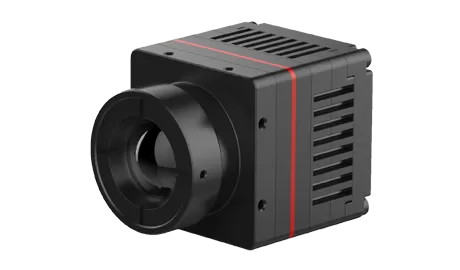
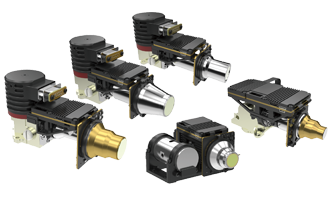
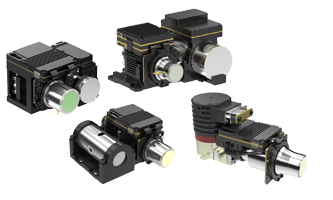
SensorMicro has developed dedicated solutions for these scenarios. The LFD615HZ3 OGI detector and LFM615H3 OGI camera core are designed for volatile organic compound detection. They are based on advanced T2SL technology and support high sensitivity detection across a wide range of gases. This enables more accurate identification of leaks and improves overall safety during inspection.
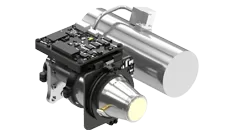
SensorMicro solutions are also designed for more complex industrial conditions. In high temperature environments such as furnaces and heating systems, strong flame interference makes traditional observation difficult. The LFD330Z5 detector and LFM330Z5 camera core provide stable imaging in these conditions and improve inspection reliability.
For carbon management and power systems, accurate detection of carbon dioxide is essential. The LFD330Z6 solution supports detection of very low concentration leaks and enables non contact and long distance monitoring. Carbon dioxide can also be used as a tracer gas, which expands its application in related scenarios.
In high risk environments, carbon monoxide detection is critical for safety. The LFD330Z7 solution supports wide area scanning and precise leak localization, which helps reduce inspection blind spots.
For gases such as sulfur hexafluoride and ammonia, SensorMicro provides solutions based on T2SL technology. The LFD330C2 detector and LFM330C2 camera core offer high sensitivity and stable performance, which makes them suitable for power systems and industrial refrigeration applications.
Turning Awareness into Action This Earth Day
World Earth Day is never just a single day of advocacy. It represents an ongoing commitment to protect the planet through continuous action and responsibility.
Infrared thermal imaging technology brings precise sensing capabilities to a wide range of industries. It helps detect risks earlier, improve energy efficiency, and support environmental safety with greater accuracy. By making invisible changes visible, it allows industries to respond before small issues become serious problems.
With the sensing power of infrared technology, we can better understand the conditions of the world around us. It helps reveal heat, movement, and gas emissions that are otherwise difficult to observe. In this way, technology becomes a practical tool for protecting both industrial safety and natural ecosystems.
SensorMicro continues to advance infrared technology and expand its application range. By improving the way gas leaks are detected and understood, the company supports safer operations and more responsible environmental management. This is how technology can contribute to a cleaner and more sustainable future.


 CN
CN
 EN
EN