The oceans cover more than 70% of the Earth's surface and are home to an extraordinary diversity of life. Yet much of the marine world remains difficult to study. Many species migrate across vast distances, live in remote environments, or become active only at night. Traditional observation methods often require close contact with animals, which can disrupt their natural behavior and limit the accuracy of research.
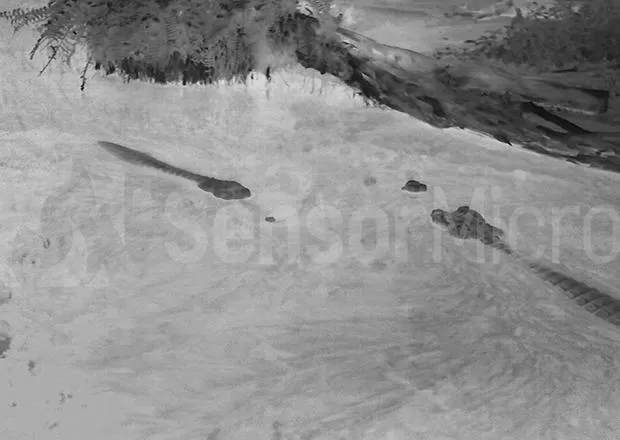
Infrared thermal imaging is changing this situation. By detecting heat signatures instead of relying on visible light, thermal imaging allows scientists to observe marine animals and habitats from a distance with minimal disturbance. As a result, researchers can gather valuable data about animal behavior, health, and environmental conditions more efficiently than ever before. Today, thermal imaging has become an increasingly important tool in marine biology and conservation research.
Non-Invasive Monitoring of Marine Wildlife
One of the greatest advantages of thermal imaging in marine biology is its ability to monitor animals without physical contact. Traditional wildlife studies often involve capturing, tagging, or closely approaching animals. While these methods can provide useful data, they may also cause stress and influence natural behavior. Thermal imaging offers a non-invasive alternative. Researchers can observe marine mammals, sea turtles, seabirds, and other species from a safe distance while collecting valuable information about their activities. For example, thermal cameras can help track whale migration routes, monitor seal colonies, or study the nesting behavior of sea turtles along coastlines. Because animals remain undisturbed, the data collected often provides a more accurate picture of their natural behavior.
Assessing Animal Health and Stress Levels
Thermal imaging is also a powerful tool for evaluating the health of marine animals.
Changes in body temperature can reveal signs of injury, disease, or physiological stress. By analyzing thermal patterns, researchers can identify abnormal temperature distributions that may indicate inflammation, infection, or other health issues. Environmental stress can also affect temperature regulation. Marine mammals exposed to habitat disturbances, pollution, or extreme environmental conditions may exhibit detectable thermal changes. Early identification of health problems allows scientists and conservation organizations to take timely action. This can improve rehabilitation efforts and support long-term wildlife protection programs.
Mapping Marine Habitats and Environmental Changes
Beyond animal monitoring, thermal imaging plays an important role in studying marine habitats and environmental conditions. Different ocean regions and coastal ecosystems often exhibit unique thermal characteristics. By capturing these temperature patterns, researchers can identify habitats that provide favorable conditions for specific species. Thermal imaging can also help monitor environmental changes that threaten marine ecosystems. Rising ocean temperatures, pollution events, and habitat degradation can all influence thermal signatures within coastal and marine environments. Coral reefs provide a good example. Thermal imaging systems can assist researchers in tracking temperature fluctuations associated with coral stress and bleaching events. This information helps scientists better understand ecosystem health and develop more targeted conservation strategies. As climate change continues to affect oceans worldwide, thermal monitoring is becoming an increasingly valuable tool for environmental research.
Studying Nocturnal and Deep-Sea Species
Many marine species are most active at night or inhabit environments where visibility is limited. Observing these animals using traditional cameras can be difficult or impossible. Infrared thermal imaging provides an effective solution. Because it detects heat rather than visible light, thermal imaging allows researchers to monitor animal activity in darkness and low-visibility conditions. This capability is particularly valuable for studying nocturnal species that emerge after sunset to feed or migrate. It can also support research in deeper marine environments where natural light is scarce. By revealing behaviors that were previously difficult to observe, thermal imaging helps scientists gain a more complete understanding of marine ecosystems and species interactions.
Supporting Marine Conservation Efforts
The information collected through thermal imaging has direct applications in marine conservation. Accurate population monitoring helps researchers evaluate species abundance and identify conservation priorities. Health assessments support rescue and rehabilitation programs. Environmental monitoring provides early warning of ecosystem changes that may threaten biodiversity. Because thermal imaging enables efficient, non-invasive data collection, it allows conservation teams to cover larger areas while minimizing disturbance to wildlife. As governments and environmental organizations continue to strengthen marine protection efforts, thermal imaging is becoming an important technology for evidence-based conservation management.
The Future of Thermal Imaging in Marine Biology
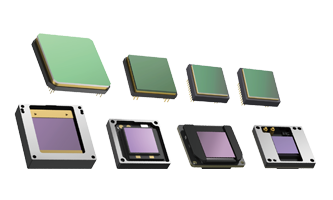
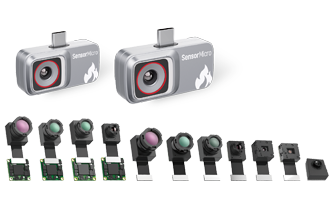
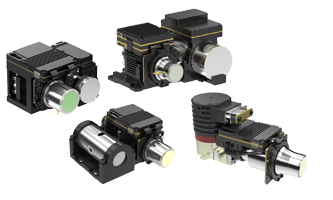
Advances in infrared detector technology are making thermal imaging systems more powerful, compact, and affordable. Modern thermal cameras offer higher resolution, improved sensitivity, and better integration with drones, autonomous vessels, and artificial intelligence platforms. These innovations are expanding the possibilities for marine research. Scientists can now conduct large-scale wildlife surveys, monitor remote habitats, and analyze environmental changes with greater efficiency than ever before. As thermal imaging technology continues to evolve, its role in marine biology research is expected to grow significantly.
Conclusion
Infrared thermal imaging is transforming the way scientists study marine life and ocean ecosystems. By providing a non-invasive method for monitoring wildlife, assessing animal health, mapping habitats, and observing nocturnal species, thermal imaging delivers valuable insights that were once difficult to obtain.
As marine conservation becomes increasingly important in a changing world, thermal imaging technology will continue to support researchers in protecting ocean biodiversity and improving our understanding of life beneath the waves.







 CN
CN
 EN
EN