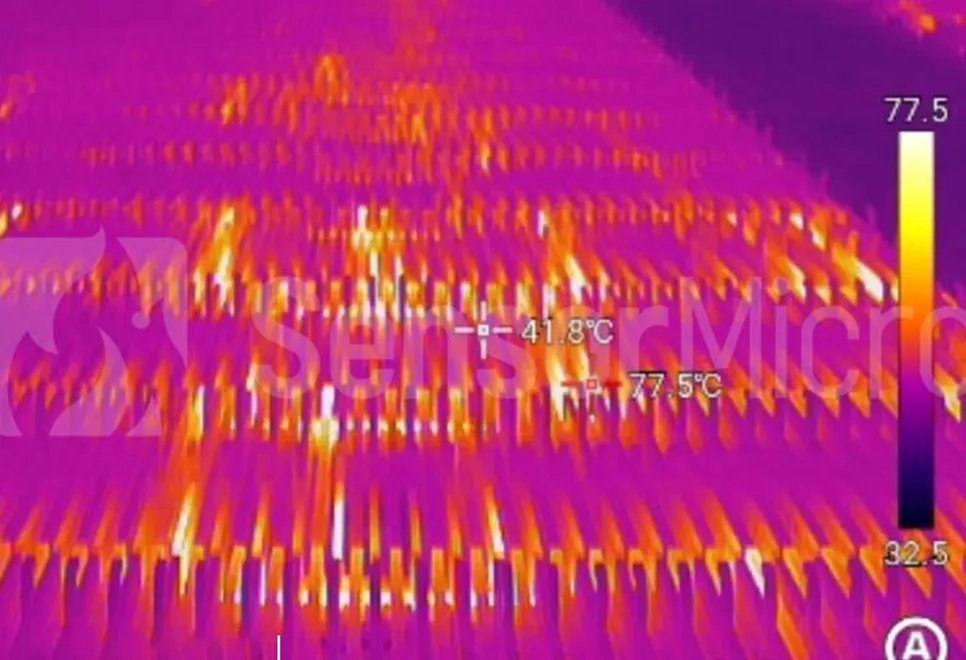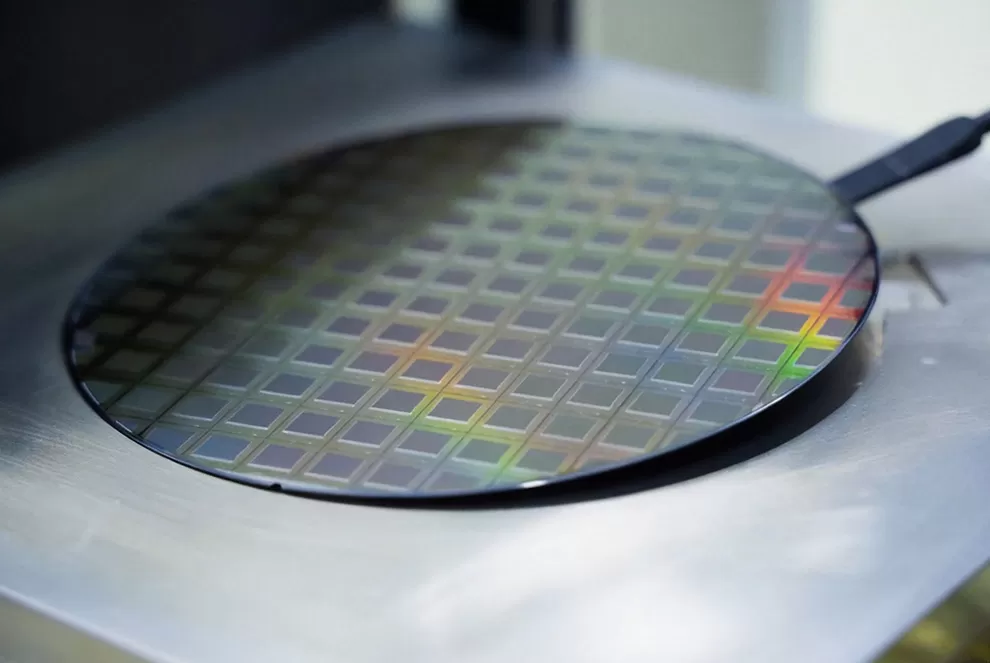
Infrared thermal imaging technology has advanced rapidly in recent years. One of the biggest trends is the move toward smaller pixel size detectors. Today, 17μm, 12μm, 10μm, and even 8μm pixel size infrared detectors are available on the market.
But what exactly is pixel size? Does a smaller pixel size always mean better image quality? And why are many modern thermal imaging modules moving toward 8μm designs?
The short answer is that pixel size plays an important role in image detail, lens size, system weight, and integration flexibility. However, it is only one part of the overall imaging performance. A well-designed thermal imaging system must balance detector technology, optics, image processing, and thermal sensitivity together.
What is Pixel Size in Infrared Thermal Imaging?
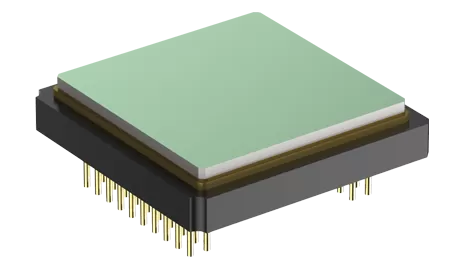
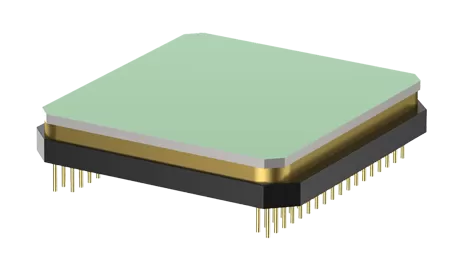
Pixel size refers to the center-to-center distance between two adjacent pixels on an infrared detector. It is typically measured in micrometers (μm).
For example, a 12μm detector has pixels spaced 12 micrometers apart, while an 8μm detector has pixels spaced only 8 micrometers apart. You can think of pixel size as the spacing between seats in a theater. When the seats are placed closer together, more seats can fit into the same area. Similarly, smaller pixel size allows more infrared pixels to fit onto a detector of the same physical size. This increased pixel density can provide more image detail and higher spatial resolution when the optical system is properly matched.
Why Smaller Pixel Size Became an Industry Trend
As thermal imaging expands into handheld devices, robotics, portable monitoring systems, and lightweight platforms, system size and weight have become increasingly important.
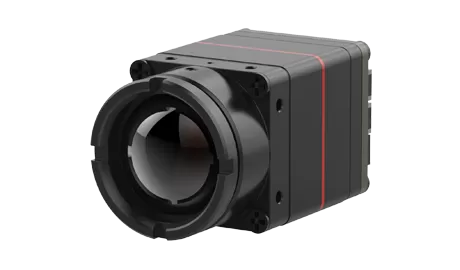
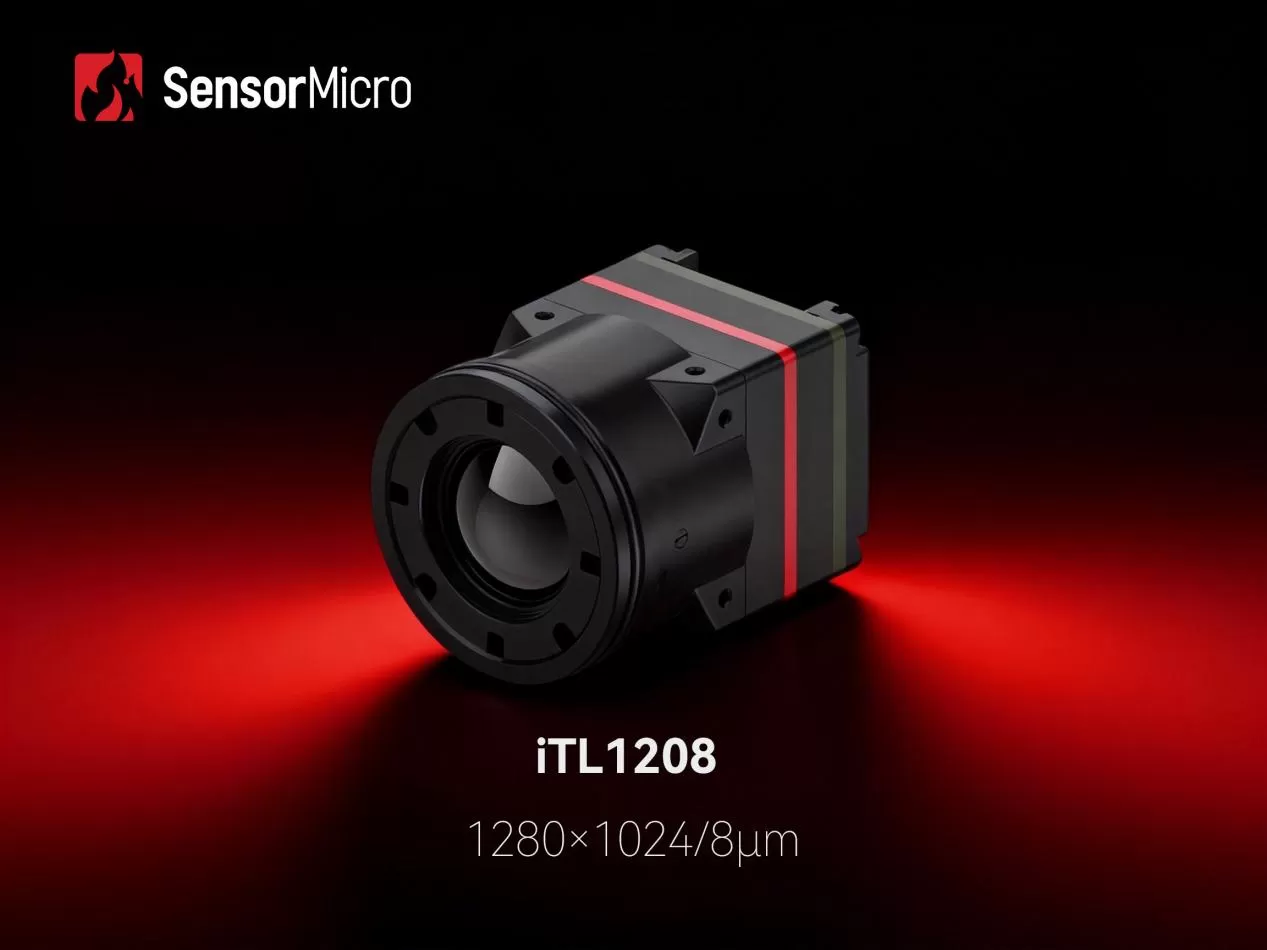
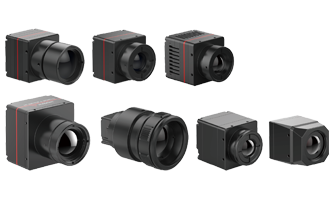
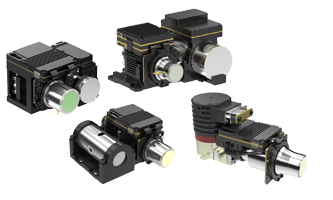
Historically, 25μm pixel size was common. The industry later shifted to 17μm and then 12μm. Today, 8μm detectors represent the next stage of miniaturization. A practical example is the newly launched iTL1208 infrared camera core from SensorMicro. The module combines a 1280×1024 megapixel resolution with an advanced 8μm pixel pitch detector, representing one of the most compact uncooled thermal imaging cores currently available in its resolution class.
The benefit is straightforward: smaller pixels reduce detector size while maintaining resolution.
For example, a 640×512 detector using 8μm pixels is roughly one-third smaller than a comparable 12μm detector. This reduction can significantly decrease the size of the optical system and lower overall module weight.
For integrators, this means easier installation, lower payload burden, and greater design flexibility.
Does Smaller Pixel Size Always Produce Better Images?
Not necessarily.
This is one of the most common misunderstandings in thermal imaging. A smaller pixel captures infrared energy from a smaller area. Under identical conditions, each pixel receives less radiation energy than a larger pixel. This can potentially reduce signal strength and increase image noise.
A useful comparison illustrates this challenge:
The 17μm pixel has roughly twice the collecting area of the 12μm pixel. In theory, it can gather more infrared energy per pixel.
Several years ago, some manufacturers reduced pixel size without sufficiently improving detector architecture. The result was smaller modules but degraded thermal sensitivity and increased image noise. This became an important lesson for the industry: shrinking pixels alone does not guarantee better imaging performance.
Modern infrared detectors compensate through improved sensitive materials, optimized microbridge structures, advanced readout circuits, and image enhancement algorithms. As a result, today's 12μm and 8μm detectors can achieve excellent image quality despite their smaller pixel sizes.
How Pixel Size Affects Lens Size
One of the biggest advantages of smaller pixel size is its impact on optics. To achieve the same field of view, a detector with smaller pixels can use a shorter focal length lens.
Consider a 640×512 thermal detector:
This difference allows manufacturers to reduce lens length, weight, and overall camera size.
For compact thermal imaging products, the lens often contributes a significant portion of total system volume. Therefore, reducing pixel size can create benefits beyond the detector itself.
Why 8μm Pixel Size is Gaining Attention
The latest generation of thermal imaging technology is moving toward 8μm pixel size.
Compared with 12μm designs, 8μm detectors offer:
Higher pixel density in the same sensor area
Smaller detector footprint
Reduced lens size
Lower system weight
Easier integration into compact platforms
However, designing an effective 8μm detector is technically challenging. As pixels become smaller, maintaining thermal sensitivity, signal-to-noise ratio, and image uniformity becomes increasingly difficult. This is why advanced detector architecture and image processing technology are critical.
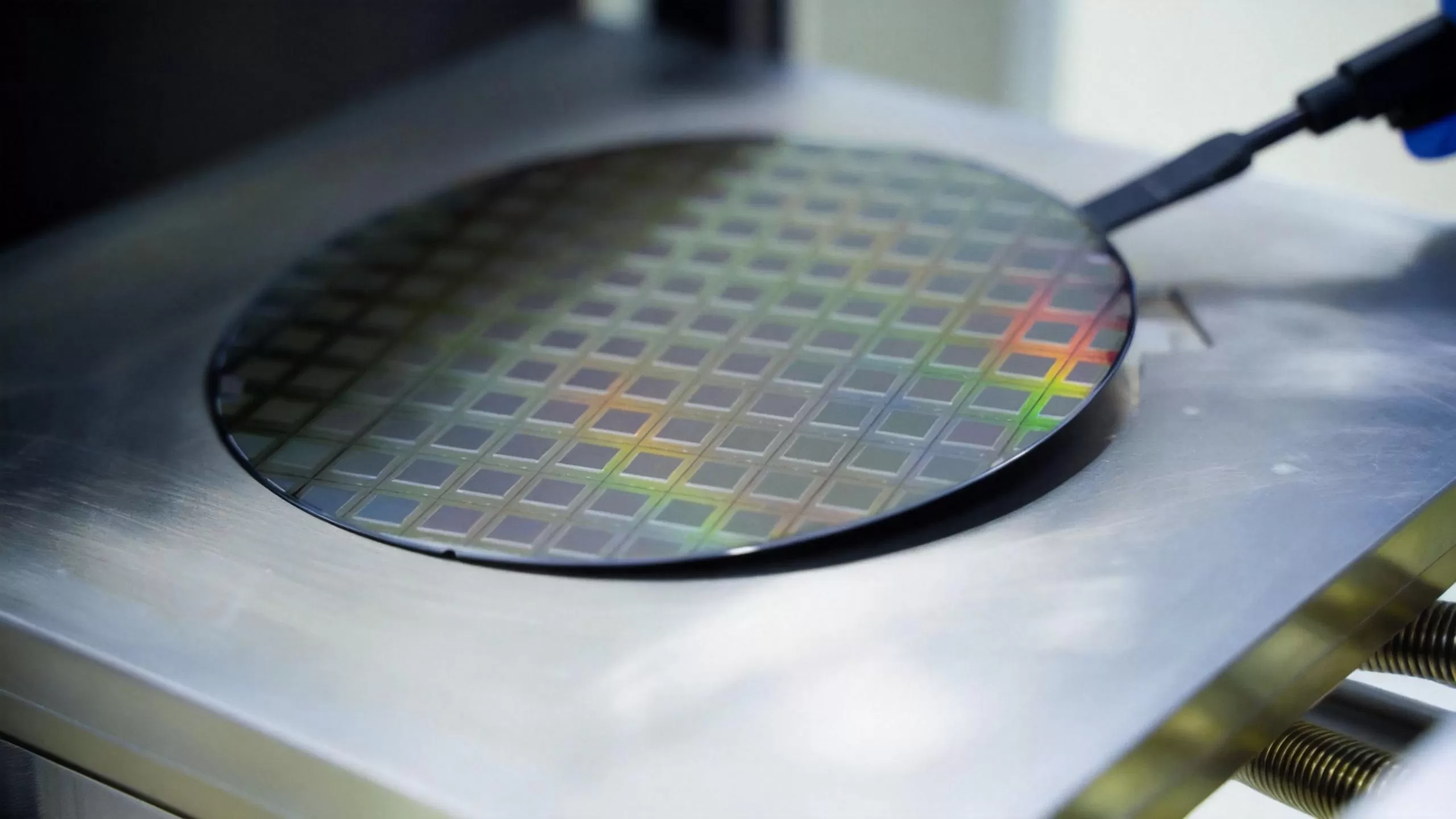
Industry experts increasingly emphasize that successful pixel size reduction depends on the entire imaging chain rather than detector dimensions alone. Detector performance, optics, calibration algorithms, and image enhancement must all evolve together.
What Should Users Focus on Besides Pixel Size?
When evaluating a thermal imaging module, pixel size should never be considered in isolation. Many users assume that the smallest pixel size automatically delivers the best image. In practice, thermal imaging quality depends on multiple factors working together.
Important specifications include:
A high-resolution detector with poor optics may produce less useful imagery than a balanced system with optimized detector and lens matching. This is why professional thermal imaging manufacturers evaluate the entire imaging chain rather than focusing on a single specification.
The Future of Thermal Imaging Lies Beyond Pixel Size
Pixel size is one of the most influential parameters in infrared thermal imaging. Smaller pixel size such as 12μm and 8μm enable more compact detectors, lighter optics, and greater integration flexibility. These advantages have driven widespread adoption across modern thermal imaging systems.
However, pixel size alone does not determine image quality. Smaller pixels collect less infrared energy and require advanced detector technology to maintain thermal sensitivity. The best thermal imaging performance comes from a balanced combination of detector design, optics, image processing, and calibration.
When selecting a thermal imaging module, the smartest approach is to evaluate the complete system rather than focusing on pixel size alone. A well-optimized 8μm thermal imaging core can outperform a poorly designed larger-pixel system, proving that successful thermal imaging is ultimately about engineering integration rather than a single specification.
The latest generation of products, including SensorMicro's iTL1208 1280×1024 uncooled infrared camera core with an 8μm pixel pitch, demonstrates how modern detector technology is pushing thermal imaging toward higher resolution, smaller size, and greater integration flexibility.


 CN
CN
 EN
EN