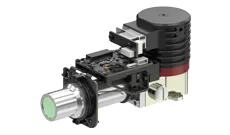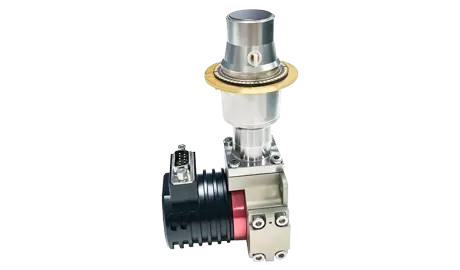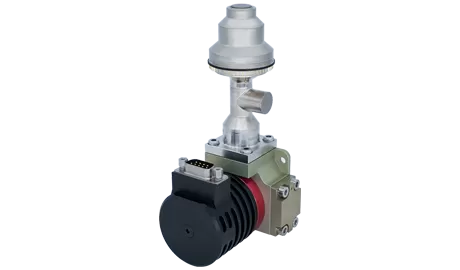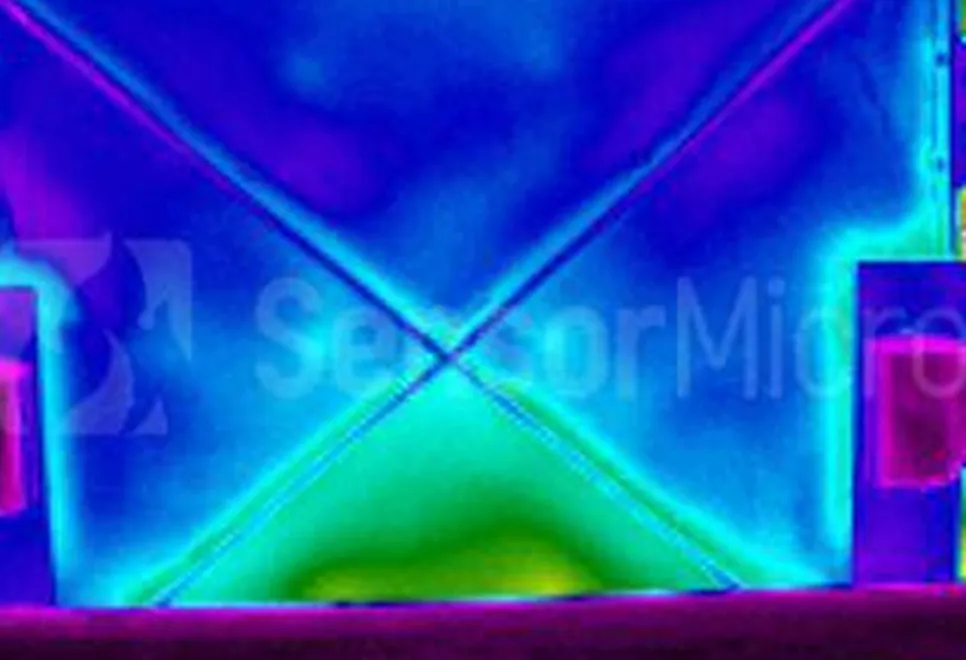
In the field of visual monitoring, traditional visible light imaging technology has long been popular, but it has never been able to break through the natural bottlenecks of lighting, weather, and physical obstruction. In low visibility environments such as dark night, dense fog, smoke and dust, and rainstorm, large areas of monitoring blind areas will appear with ordinary cameras and naked eyes. Infrared thermal imaging technology breaks away from the traditional imaging logic of visible light and relies on capturing the natural infrared thermal radiation of objects to achieve imaging. With its unique all-weather working ability, it has become a core sensing device in fields such as security, industrial operation and maintenance, emergency rescue, and traffic inspection.
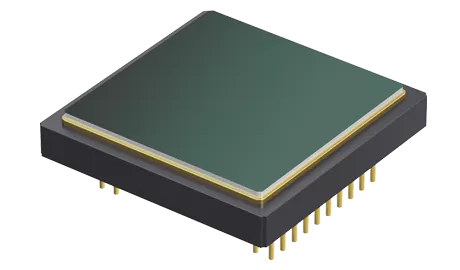
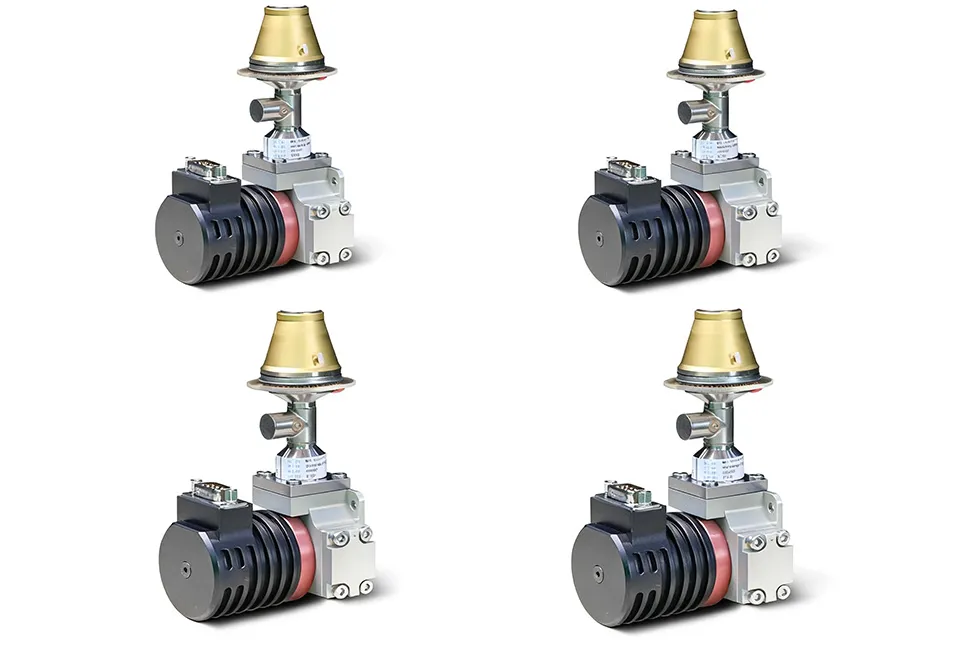
Unlike visible light devices that rely on external light reflection for imaging, the underlying logic of infrared thermal imaging is simple and irreplaceable: all objects in nature with temperatures above absolute zero (-273.15 ℃) will continue to emit long wave infrared radiation outward. The VOx infrared detector mounted on the thermal imaging core can capture this invisible thermal signal to the human eye, converting temperature difference data into intuitive and visual thermal images. This underlying technological feature gives rise to four core capabilities that are adaptable to the entire industry, covering the vast majority of complex job scenarios.
Stable Imaging Without Any Light Sources to Eliminate Night Blind Zones
This is the most vital advantage of infrared thermal technology. Brightness is never a concern for thermal cameras. In pitch-black environments such as cellars, remote mountain areas, unlit industrial plants and open sea surfaces, thermal imagers deliver clear footage instantly without wiring lighting circuits or installing auxiliary fill lights.
For border patrol, wild search and rescue, and automotive night vision systems, thermal imaging cuts massive costs on lighting accessories. More importantly, it removes security risks caused by glowing lights that reveal observation positions.
Uninterrupted Monitoring Through Rain, Fog, Dust and Smoke
Conditions that disable regular visible-light cameras are where thermal imaging performs best. Heavy rain, fog, industrial dust and fire smoke render standard surveillance footage useless. However, long-wave infrared radiation passes through these obstacles via atmospheric transmission windows to lock onto heat targets consistently.
Firefighters use thermal imagers to locate trapped victims amid thick smoke. Substation and photovoltaic station inspectors can spot overheating hotspots on equipment even on foggy days.
Passive Heat Detection for Undetectable Stealth Observation
Traditional night vision fill lights produce visible glowing spots, allowing intruders to evade monitored areas easily. Infrared thermal imaging works purely by capturing natural heat radiation emitted by all objects, with zero signal emission outward.
For long-distance sentry duty, border alert and factory perimeter security, thermal cameras clearly detect trespassers without exposing their own installation locations, drastically boosting overall security efficiency.
Visualized Temperature Data for Real-Time Monitoring & Early Risk Warning
Visible-light cameras only record footage for post-event review after incidents take place. By contrast, thermal imagers output accurate real-time temperature readings to detect invisible abnormal heat sources in advance: overheated electrical connectors, overloaded cables, heat accumulation from roof water leakage, and high-temperature wildfire hotspots in forests.
A single thermal camera serves dual purposes: industrial equipment inspection by day and security monitoring at night. It integrates monitoring and early warning functions to realize true all-weather multi-scenario operation.
Conventional visible-light vision relies on reflected external light, while thermal imaging captures inherent heat radiation from all objects. It breaks the traditional visual limitations of human eyes and solves the long-standing lighting bottleneck of visible cameras.
Infrared thermal imaging is not designed to replace visible-light cameras entirely. Instead, it compensates for weaknesses in night monitoring, harsh weather surveillance, stealth detection and temperature risk alert. Widely adopted in urban security, fire rescue, vehicle night vision, PV power inspection, wild rescue and forest fire prevention, thermal imaging acts as an indispensable “second pair of eyes” for all low-visibility environments. It delivers reliable vision day and night, with no lighting required at all.


 CN
CN
 EN
EN