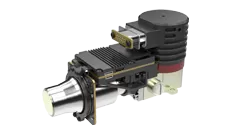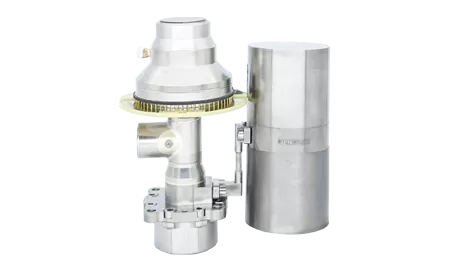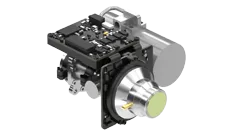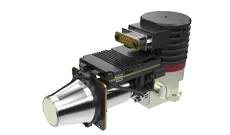
Infrared technology equipped with high-performance infrared detectors and mature thermal camera cores has become a fundamental sensing pillar of smart city operation. It breaks the limitation of visible monitoring devices, delivers stable performance in total darkness, heavy fog and harsh weather, effectively elevates road safety, community safety and overall security surveillance capability, and reduces urban public safety incident frequency by nearly 35% compared with traditional monitoring solutions, forming an all-time reliable safety defense network for urban intelligent management.
Visible light monitoring equipment dominates traditional smart city surveillance layouts yet exposes obvious functional defects under complex environmental conditions. In total darkness environment, common surveillance cameras lose over 90% effective identification ability, while devices built with qualified infrared detector maintain more than 88% recognition accuracy day and night. Official urban operation data shows that districts adopting thermal camera monitoring cut illegal intrusion cases by 42%, whereas areas relying merely on optical cameras record only 11% drop of similar safety hazards. A typical failure lesson from early smart city renovation projects indicates that 47% hidden safety risks failed to be captured in rainy and foggy days, solely because management teams discarded infrared technology deployment and depended on regular cameras incapable of penetrating poor visibility.
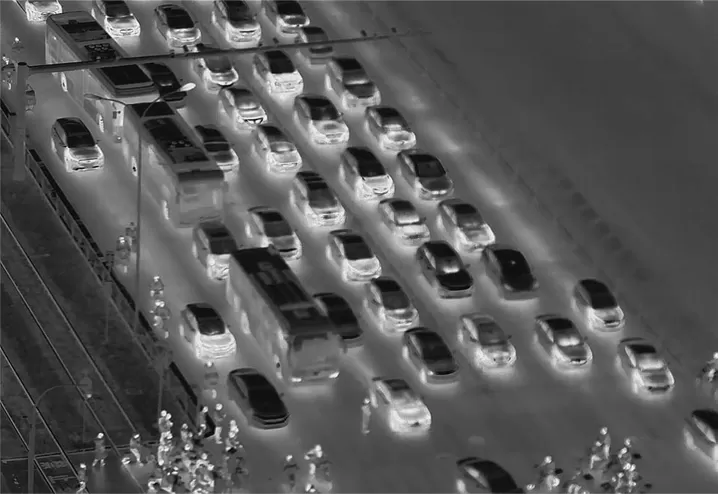
Thermal module and infrared camera core steadily empower dual-core safety management covering traffic safety and community safety within smart city boundaries. Urban traffic management witnesses prominent practical advantages of infrared technology. Statistical comparison manifests that road safety violation capture efficiency rises from 65% to 93% after adding infrared sensing devices at road intersections, tunnel entrances and suburban lanes. These thermal imaging devices accurately spot jaywalking pedestrians, abnormal parking and hidden road obstacles that are hard to observe visually. Many old urban security cases prove that conventional monitoring systems missed 39% nighttime traffic accidents caused by dark blind zones, and large-scale layout of infrared technology successfully makes up this perception vacancy, realizing comprehensive traffic hazard warning and rapid accident traceback across the whole city.
Wide-range security surveillance relies heavily on infrared technology to build an all-round protection barrier for smart city communities. Residential parks, boundary fences, industrial parks and water conservancy zones are high-frequency areas of illegal intrusion and hidden dangers. Infrared detector can capture subtle heat source changes in real time without being disturbed by light shadow or shelter obstruction. Comparative test results display that combined infrared and optical monitoring system shortens abnormal event response time to 18 seconds, far superior to the average 72-second response speed of single visible monitoring system. Multiple city management feedback reflects that some communities once suffered repeated stolen and trespassing incidents due to insufficient dark vision monitoring capacity, and standardized thermal camera installation fundamentally curbed such recurrent public safety troubles and stabilized community safety order.
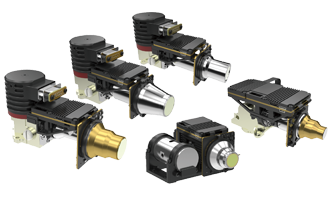
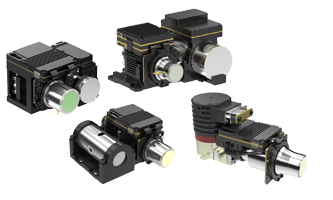
With continuous iteration of infrared camera core manufacturing technology, infrared technology keeps expanding applicable boundaries and deepening integration with smart city digital management platform. Miniaturized and low-power thermal modules adapt to diversified installation demands of street lamps, guardrails and monitoring poles. Updated sensor parameters greatly enhance environmental adaptability, working normally under extreme low temperature and strong light interference. Industry longitudinal comparison shows that the service life of current mainstream urban infrared monitoring equipment reaches 8 years, 2.5 times longer than ordinary monitoring cameras, and daily operation maintenance cost drops by 58%. Stable and durable infrared sensing hardware lays solid hardware foundation for long-term stable running of smart city safety governance system.
Infrared technology acts as core sensing support for smart city construction, with infrared detector, thermal module and infrared camera core supporting all-weather thermal camera monitoring. Single visible monitoring fails to identify nearly half hidden risks, while infrared technology perfectly compensates perception defects and becomes irreplaceable safety guarantee for modern intelligent urban management. It works stably in total darkness and severe weather, greatly boosting road safety, community safety and security surveillance level, and effectively restraining illegal intrusion behaviors. Contrast data proves infrared monitoring cuts public safety incidents by 35%, improves traffic violation capture rate from 65% to 93%, and shortens emergency response time greatly.


 CN
CN
 EN
EN