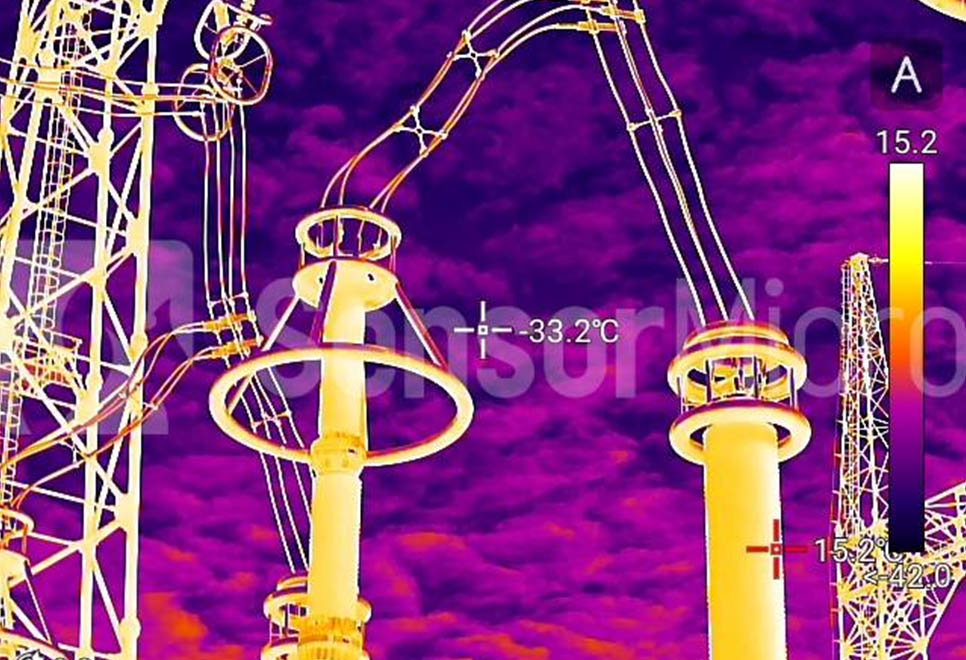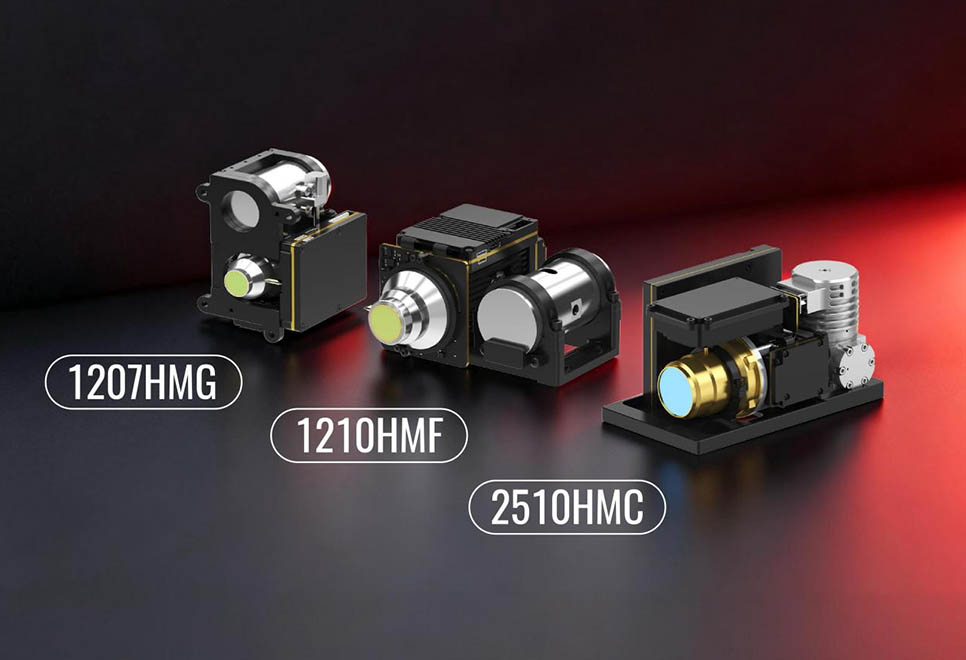
Resolution is the most critical parameter that determines infrared night vision imaging clarity, target recognition accuracy, and effective detection distance. Many buyers blindly pursue high-resolution infrared night vision equipment or choose low-spec devices casually, resulting in insufficient monitoring capability or excessive cost redundancy. Different infrared night vision resolutions correspond to unique application scenarios, monitoring ranges, and budget standards.
Common infrared night vision resolutions on the market include entry-level 160×120/256×192/384×288, mid-range mainstream 640×512, and high-end HD 1280×1024/1920×1280. This guide will analyze the advantages, applicable scenarios, and target customers of each infrared night vision resolution, helping you select the most suitable specification to maximize cost performance and monitoring efficiency.
Entry-Level Infrared Resolution (160×120 / 256×192 / 384×288): Cost-Effective for Basic Security Monitoring
Entry-level infrared night vision resolutions are the most economical choice for civilian and basic industrial scenarios. Featuring low power consumption, stable operation, and low manufacturing cost, these resolutions can clearly identify large targets such as humans, vehicles, and equipment in dark and low-visibility environments. Although the imaging detail is relatively simple, it fully meets the demand for large-scale, coarse-grained 24/7 security monitoring.
Core Advantages: Low cost, low power consumption, strong environmental adaptability, stable all-weather operation, no redundant performance, and high cost performance for basic night vision scenarios.
Applicable Scenarios & Customers: Ideal for small and medium-sized enterprises, grassroots engineering contractors, and budget-limited basic security projects. Widely used in factory large-area patrol monitoring, farmland and forest fire prevention, campus peripheral safety defense, ordinary vehicle auxiliary night vision, and rural outdoor security monitoring. For users that only need to confirm target existence and overall situation without fine detail identification, 384×288 and lower infrared night vision resolutions are the best choice.
Mid-Range Mainstream Resolution (640×512): Golden Specification for Commercial & Industrial Infrared Night Vision
640×512 is recognized as the golden resolution for infrared night vision in the industry, with the most balanced performance, cost, and adaptability. It upgrades imaging detail and effective detection distance compared with entry-level resolutions, enabling accurate identification of target details, human motion trajectories, and tiny equipment temperature anomalies. It can adapt to most complex low-light, dark, and foggy environments, filling the gap between low-end basic monitoring and high-end precision detection.
Core Advantages: Balanced clarity and detection distance, moderate cost, wide compatibility, strong anti-interference ability, and support for fine industrial inspection and refined security monitoring.
Applicable Scenarios & Customers: This resolution is the mainstream choice for equipment manufacturers, system integrators, and government conventional security projects. It is widely applied in power line infrared inspection, computer room temperature anomaly detection, urban road night monitoring, industrial patrol, park refined security, and mechanical equipment fault diagnosis. 640×512 infrared night vision resolution can meet 90% of commercial and industrial night vision monitoring demands.
High-End HD Resolution (1280×1024 / 1920×1280): Ultra-Clear Imaging for High-Precision Special Scenarios
High-end high-definition infrared night vision resolutions represented by 1280×1024 deliver ultra-fine imaging details, longer ultra-long-distance detection, and higher frame rate stability. These specifications can capture tiny temperature differences and subtle target changes that cannot be identified by mid and low-end resolutions, maintaining stable and clear imaging in extreme environments such as heavy fog, heavy rain, strong light interference, and ultra-long-distance monitoring.
Core Advantages: Ultra-high imaging definition, long detection distance, ultra-high sensitivity, strong extreme environment adaptability, and support for millimeter-level fine detection and high-precision temperature measurement.
Applicable Scenarios & Customers: Tailored for high-end optoelectronic R&D enterprises, large industrial groups, and scientific research institutes. It is mainly used for border defense night monitoring, aerospace infrared detection, high-precision industrial precision measurement, long-distance inspection, night vision equipment, and scientific experimental imaging with extremely high precision requirements.


 CN
CN
 EN
EN