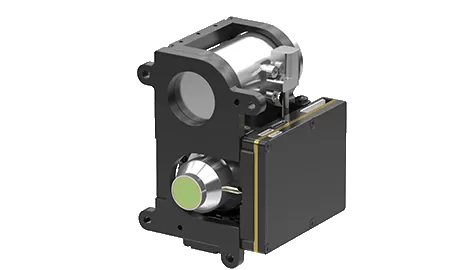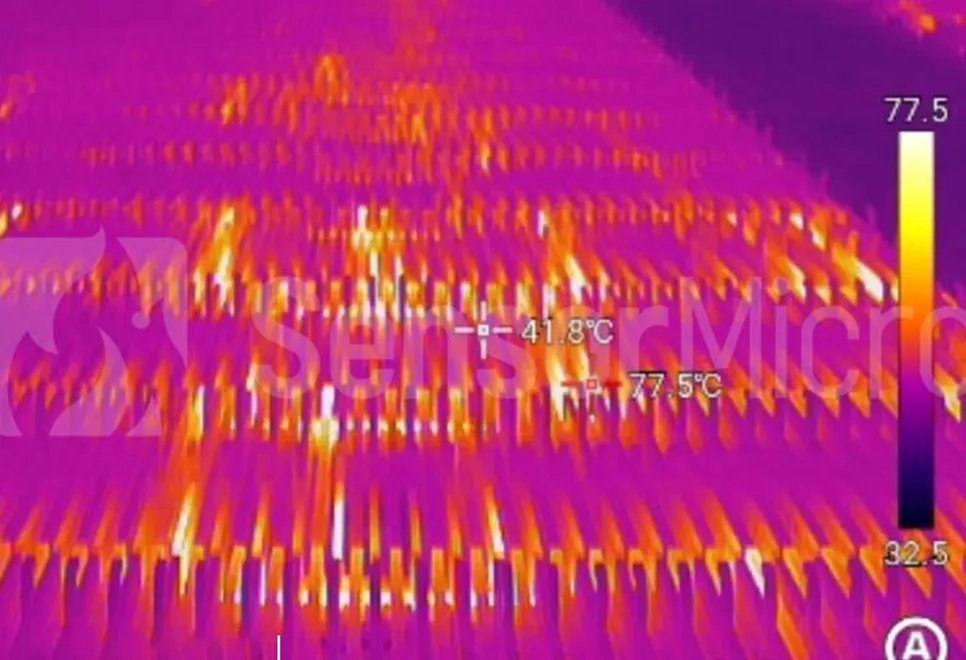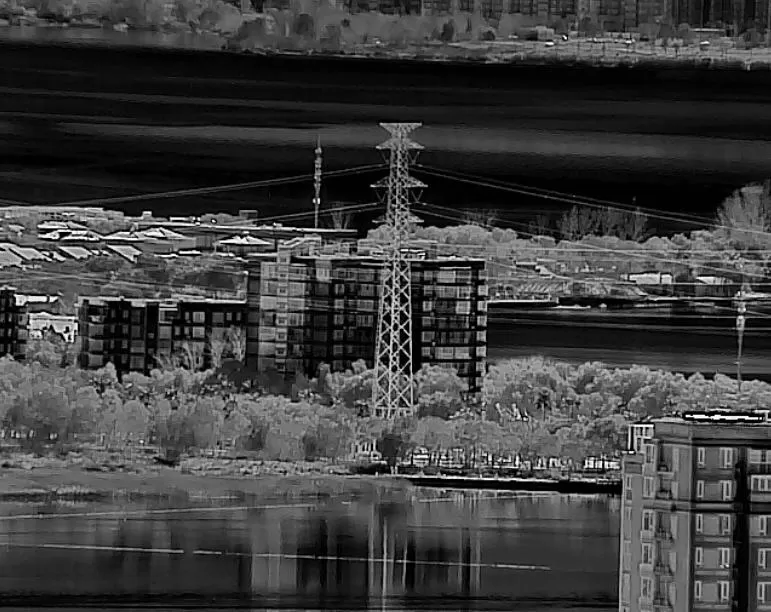
Infrared thermal imaging technology has evolved to mainstream civilian and commercial adoption in recent years. Powered by advanced infrared detectors and miniaturized thermal imaging modules, it converts invisible infrared radiation into visible thermal images and accurate temperature data. Compared with traditional visual detection and contact sensing technologies, infrared thermal imaging delivers unique environmental adaptability and detection accuracy. This article explores its core competitive advantages, mainstream popular applications, and cutting-edge emerging industry trends, helping readers fully grasp the market value and development potential of modern infrared thermal imaging technology.
Core Advantages: Infrared Thermal Imaging vs. Traditional Detection Technologies
Traditional detection methods including visible light cameras, contact thermometers, and manual inspection have obvious limitations in complex scenarios. Infrared thermal imaging technology achieves comprehensive performance upgrades with unique technical characteristics, becoming an irreplaceable sensing solution for modern industries and consumer markets.
First, 24/7 all-weather detection capability. Unlike visible light cameras that rely on ambient light and fail completely in total darkness, infrared thermal imaging captures active heat radiation from objects, supporting stable imaging and detection in night, strong light, fog, and low-visibility environments.
Second, non-contact and high-safety detection. It realizes long-distance temperature measurement and thermal sensing without touching detected objects, avoiding safety risks such as electric shock and high-temperature burns in manual contact detection, and adapting to high-risk industrial and public safety scenarios.
Third, high-precision global temperature perception. Traditional single-point thermometers can only acquire local temperature data, while infrared thermal imaging modules generate full-area temperature field images, accurately capturing tiny temperature differences and hidden abnormal heat sources that are easily overlooked by traditional equipment.
Fourth, strong privacy compatibility. Different from traditional surveillance cameras that capture facial and image information, infrared thermal sensing only records thermal data, effectively protecting user privacy and solving the privacy leakage pain points of visual monitoring equipment.
Popular Mainstream Applications of Infrared Thermal Imaging
With the continuous cost reduction and miniaturization of infrared detectors, thermal imaging technology has been widely deployed in consumer, industrial, and public safety fields, forming mature and large-scale application scenarios.
2.1 Smart Home & Consumer Electronics
As a core civilian scenario, infrared thermal imaging modules are embedded in smart air conditioners, home security devices, wearable gadgets, and smartphone external accessories. It supports human body induction, intelligent temperature adjustment, private home anti-intrusion monitoring, and daily household fault detection, bringing human-centric intelligent experience to ordinary consumers.
2.2 Industrial Equipment Maintenance & Energy Detection
In industrial scenarios, infrared thermal imaging is widely used for power equipment inspection, photovoltaic module defect detection, and petrochemical equipment monitoring. It quickly identifies hidden faults such as equipment overheating, component cracks, and heat loss, helping enterprises reduce maintenance costs and prevent industrial safety accidents.
2.3 Public Safety & Outdoor Rescue
Widely applied in urban security monitoring, forest fire prevention, and outdoor search and rescue missions. Thermal imaging equipment can lock heat sources in dense jungles, fog, and dark environments, realizing real-time early warning of fire hazards and efficient search for missing persons, greatly improving the efficiency of public emergency rescue work.
Emerging Industry Application Trends of Infrared Thermal Imaging
Driven by AI intelligence, sensor miniaturization, and industrial upgrading, infrared thermal imaging technology is constantly expanding new application boundaries, with multiple emerging industries becoming new growth tracks for the thermal imaging market.
3.1 Autonomous Driving & Intelligent Transportation
Infrared thermal imaging has become an important supplementary sensing solution for autonomous driving perception systems. It makes up for the shortcomings of radar and visible light cameras in bad weather, accurately identifying pedestrians, vehicles, and obstacles in dark, rainy, and foggy conditions, improving the safety and stability of intelligent vehicle driving.
3.2 Intelligent Agriculture & Ecological Monitoring
Drones equipped with mini infrared modules are used for farmland growth monitoring, crop disease and pest early warning, and soil temperature detection. Farmers can accurately judge crop growth status through thermal temperature difference data, realizing refined and intelligent agricultural planting management.
3.3 Medical & Health Monitoring
Consumer and medical-grade infrared thermal imaging devices are gradually applied in physical examination screening, human body heat distribution detection, and sub-health early warning. Featuring non-invasive and efficient detection, it provides new technical support for civilian daily health management and community public health screening.
3.4 AIoT Smart Industrial Linkage
Combined with IoT and AI algorithms, infrared thermal imaging modules realize real-time data upload and intelligent analysis. It is widely used in smart factory temperature early warning, cold chain logistics temperature monitoring, and building energy-saving detection, promoting the digital and intelligent upgrading of traditional industries.
Benefiting from its all-weather adaptability, high precision, and high safety, infrared thermal imaging technology completely outperforms traditional detection methods. From mature consumer electronics and industrial maintenance scenarios to emerging autonomous driving, smart agriculture, and medical health fields, infrared thermal imaging is showing strong market vitality. With further miniaturization and intelligent upgrading of infrared detectors and modules, it will penetrate more industrial and civilian scenarios, becoming a core infrastructure technology for intelligent perception in the digital era.


 CN
CN
 EN
EN