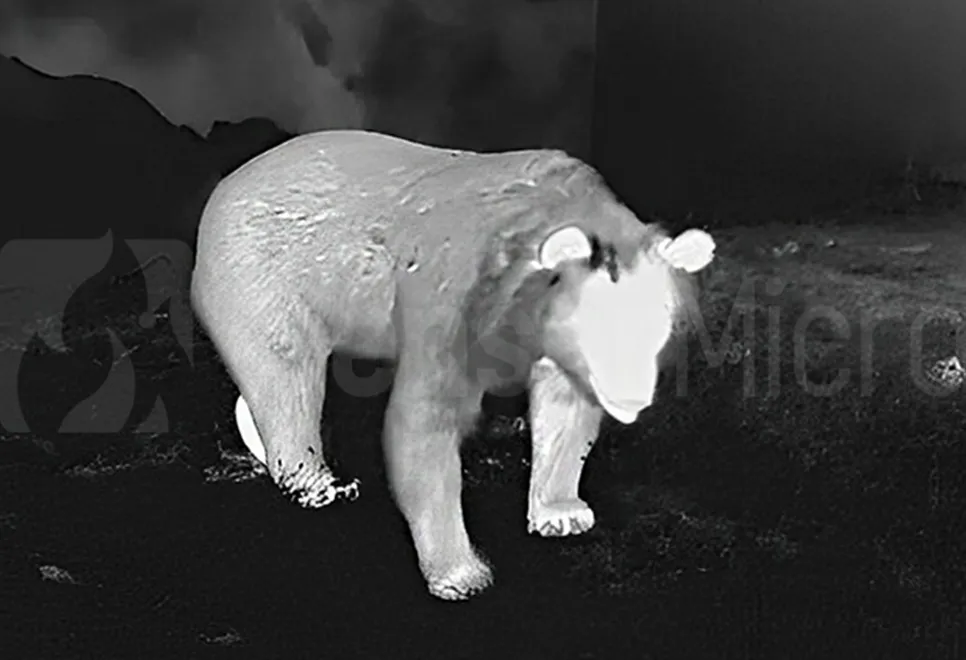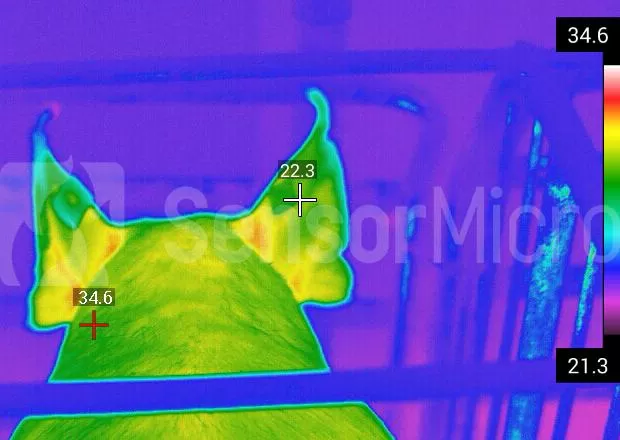
Veterinary medicine is continuously evolving as new technologies help veterinarians diagnose diseases earlier, monitor treatment progress more effectively, and improve animal welfare. Among these innovations, infrared thermal imaging has emerged as a powerful diagnostic and monitoring tool.
Also known as veterinary thermography, infrared thermal imaging provides a non-invasive way to assess an animal's health by visualizing temperature patterns across the body. By detecting subtle thermal changes that may not be visible during a standard examination, veterinarians can gain valuable insights into physiological conditions and identify potential health issues at an early stage.
As thermal imaging technology becomes more accessible, it is increasingly being adopted in veterinary clinics, hospitals, rehabilitation centers, and animal research facilities worldwide.
What is Infrared Thermal Imaging?
Infrared thermal imaging is a technology that detects infrared radiation emitted by an object and converts it into a visual temperature map. Every living animal naturally emits heat. Thermal cameras capture this heat and display temperature variations using color-coded images. Areas with higher or lower temperatures may indicate changes in blood flow, inflammation, nerve activity, or other physiological processes. Unlike X-rays, CT scans, or ultrasound examinations, thermal imaging does not require physical contact, radiation exposure, or sedation in most cases. This makes it particularly useful for examining animals that may be stressed, injured, or difficult to handle. By providing real-time thermal information, veterinarians can obtain an additional layer of diagnostic data that complements traditional examination methods.
Why Thermal Imaging is Valuable in Veterinary Care
One of the greatest advantages of veterinary thermography is its ability to detect physiological changes before visible clinical symptoms appear. Many diseases and injuries alter blood circulation, metabolic activity, or inflammatory responses. These changes often create temperature variations that can be detected by thermal cameras long before structural abnormalities become apparent. As a result, thermal imaging can support early diagnosis, improve treatment planning, and help veterinarians monitor recovery more effectively. Because the procedure is fast, painless, and stress-free, it is suitable for a wide range of animals, including pets, horses, livestock, and wildlife.
Musculoskeletal Assessment and Injury Detection
Musculoskeletal disorders are among the most common conditions encountered in veterinary practice. Inflammation, muscle strain, tendon injuries, and joint disorders often cause localized temperature increases due to elevated blood flow. Thermal imaging can visualize these changes and help veterinarians identify affected areas quickly. This capability is particularly valuable for diagnosing and monitoring conditions such as arthritis, ligament injuries, tendon damage, and orthopedic disorders. In equine medicine, thermal imaging has become an important tool for evaluating performance horses. Early detection of musculoskeletal stress can help prevent more serious injuries and reduce recovery time.
Monitoring Circulatory Health
Healthy blood circulation plays a critical role in maintaining normal body function. Thermal imaging can reveal temperature patterns associated with blood flow and vascular activity. Abnormal thermal distributions may indicate poor circulation, vascular disorders, or other cardiovascular issues. By analyzing these thermal patterns, veterinarians can gain additional information about circulatory function and identify potential concerns that require further investigation. This non-invasive approach is especially useful for monitoring animals during recovery or long-term treatment programs.
Supporting Neurological Evaluations
The nervous system influences many physiological processes, including blood flow and temperature regulation. Changes in nerve function can sometimes produce detectable thermal abnormalities. Thermal imaging may therefore assist veterinarians in evaluating certain neurological conditions, including nerve injuries and spinal disorders. While thermal imaging is not a replacement for advanced neurological testing, it can provide valuable supplementary information and help guide further diagnostic procedures. As imaging technology and analytical software continue to improve, the role of thermal imaging in neurological assessment is expected to expand.
Wound Healing and Infection Monitoring
Monitoring wounds and surgical sites is another important application of veterinary thermal imaging. Inflammation and infection often generate localized increases in temperature. Thermal cameras can detect these changes quickly and accurately, allowing veterinarians to assess healing progress without touching sensitive areas. This approach helps identify complications at an early stage and supports more effective treatment decisions. For post-surgical patients, regular thermal monitoring can provide valuable information about recovery and help reduce the risk of undetected infections.
Early Disease Detection
One of the most promising applications of thermal imaging in veterinary medicine is early disease detection. Many illnesses affect metabolism, blood circulation, or tissue activity before visible symptoms appear. These physiological changes often create measurable thermal variations across the body. In some cases, thermal imaging may help identify early signs of inflammatory diseases, endocrine disorders, infections, or even certain types of cancer. Although thermal imaging is generally used alongside other diagnostic tools, its ability to reveal subtle physiological changes makes it a valuable addition to modern veterinary practice.
Integrating Thermal Imaging into Veterinary Clinics
Advances in infrared detector technology have made thermal imaging systems more compact, accurate, and affordable than ever before. Modern thermal cameras can be easily integrated into veterinary examination rooms, rehabilitation facilities, and mobile veterinary services. High-resolution imaging systems provide detailed temperature maps that can be analyzed using specialized software. These software platforms help veterinarians identify abnormal thermal patterns, compare historical data, and track treatment progress over time. The ability to collect objective thermal information improves clinical decision-making and enables more personalized treatment plans for individual patients.
The Future of Veterinary Thermography
As thermal imaging technology continues to advance, its role in veterinary medicine is expected to grow significantly. Artificial intelligence, automated image analysis, and cloud-based monitoring systems are making thermal data more useful and easier to interpret. Thermal cameras are also becoming smaller, more affordable, and more portable, expanding their use across different areas of animal healthcare. From companion animals and livestock to wildlife conservation and rehabilitation, veterinary thermography is helping professionals detect problems earlier, improve treatment outcomes, and enhance animal welfare.
Conclusion
Infrared thermal imaging is transforming veterinary medicine by providing a fast, non-invasive, and highly informative method of assessing animal health. Whether used for musculoskeletal evaluations, circulatory monitoring, neurological assessments, wound management, or early disease detection, thermal imaging offers veterinarians valuable insights that complement traditional diagnostic techniques. As technology continues to evolve, veterinary thermography is poised to become an increasingly important part of modern animal healthcare, helping veterinarians deliver better care while improving the quality of life for animals around the world.


 CN
CN
 EN
EN