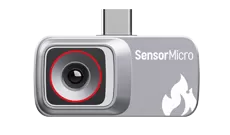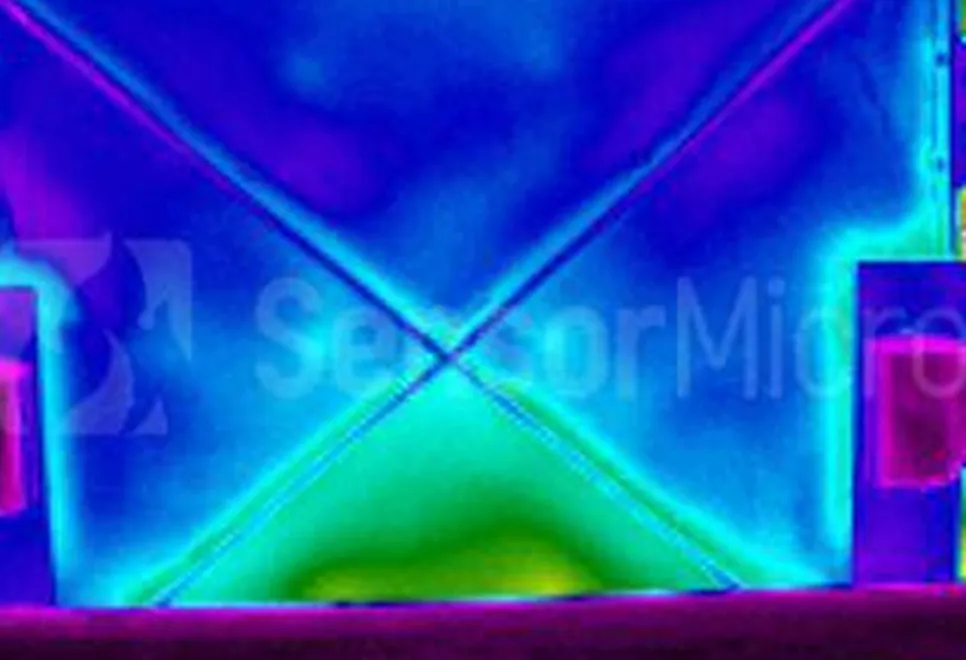
Thermal imaging technology detects infrared radiation emitted by objects and converts it into visible thermal images. It is widely used in industrial inspection, security monitoring, outdoor observation, firefighting, smart devices, and many other applications.
In thermal imaging systems, one critical yet often misunderstood component is the shutter. Understanding the role of shutters in infrared cameras helps users better evaluate the performance differences between traditional thermal cameras and modern shutterless thermal imaging solutions.
What is a Thermal Imaging Shutter?
Unlike visible-light cameras, where the shutter mainly controls exposure time, the shutter in an infrared thermal imaging camera is primarily used for non-uniformity correction (NUC).
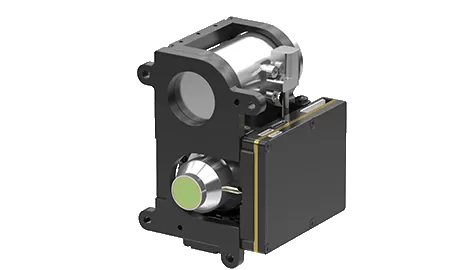
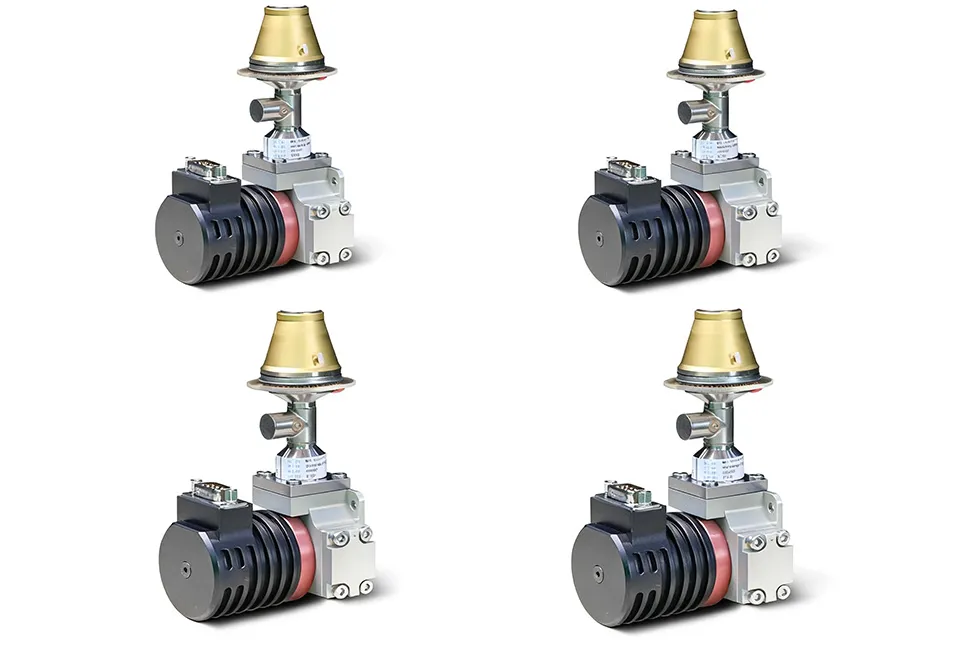
In infrared camera cores, the shutter — also called a shutter blade or flag — is positioned between the lens and the infrared detector. During normal imaging, the shutter remains open. When the detector requires calibration, the shutter briefly closes to provide a uniform reference source for correcting image drift and detector inconsistencies.
This calibration process helps compensate for temperature changes on the detector focal plane and ensures accurate thermal imaging and temperature measurement.
Why Do Thermal Imaging Cameras Need Shutters?
Infrared detectors are highly sensitive to environmental changes such as temperature and humidity. Over time, detector output may drift, causing image blur, noise, or inaccurate temperature readings. Traditional thermal imaging cameras rely on periodic shutter calibration to reset detector parameters and maintain image quality. When the shutter closes, the thermal image temporarily freezes, calibration is performed, and image consistency and temperature accuracy are restored. In many conventional infrared cameras, this process occurs automatically every few seconds or minutes, depending on environmental conditions.
Shutter vs. Shutterless Thermal Imaging Cameras
As infrared detector technology and image processing algorithms continue to evolve, shutterless thermal imaging has become an increasingly popular solution for high-end applications.
Thermal Cameras with Shutters:
Have relatively simpler detector requirements
Offer lower manufacturing costs
May experience image freezing or stuttering during calibration
These systems are widely used in entry-level and mid-range thermal imaging products.
Shutterless Thermal Imaging Cameras:
High-performance infrared detectors
Advanced image processing algorithms
Adaptive compensation technologies
Compared with shutter-based systems, shutterless thermal imaging cameras provide:
Continuous imaging without freezing
Smoother real-time observation
Better user experience in dynamic applications
However, shutterless systems require significantly higher detector performance and more advanced software algorithms, making them more technically demanding.
Application of Shutterless Thermal Imaging
Shutterless infrared technology is especially valuable in applications requiring uninterrupted observation and stable imaging performance, such as security and surveillance, machine vision, industrial automation, and high-end thermal imaging systems. Because there is no periodic image freeze during calibration, users can observe targets continuously and more comfortably.
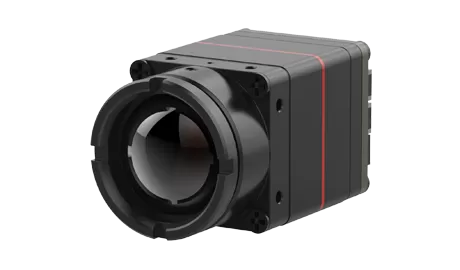
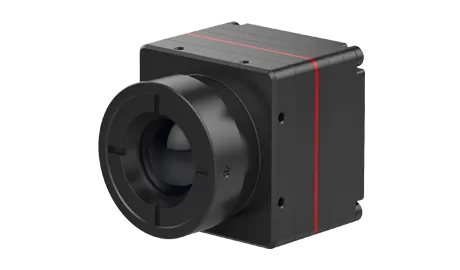
SensorMicro iSE series: A High-Performance Shutterless Thermal Imaging Core
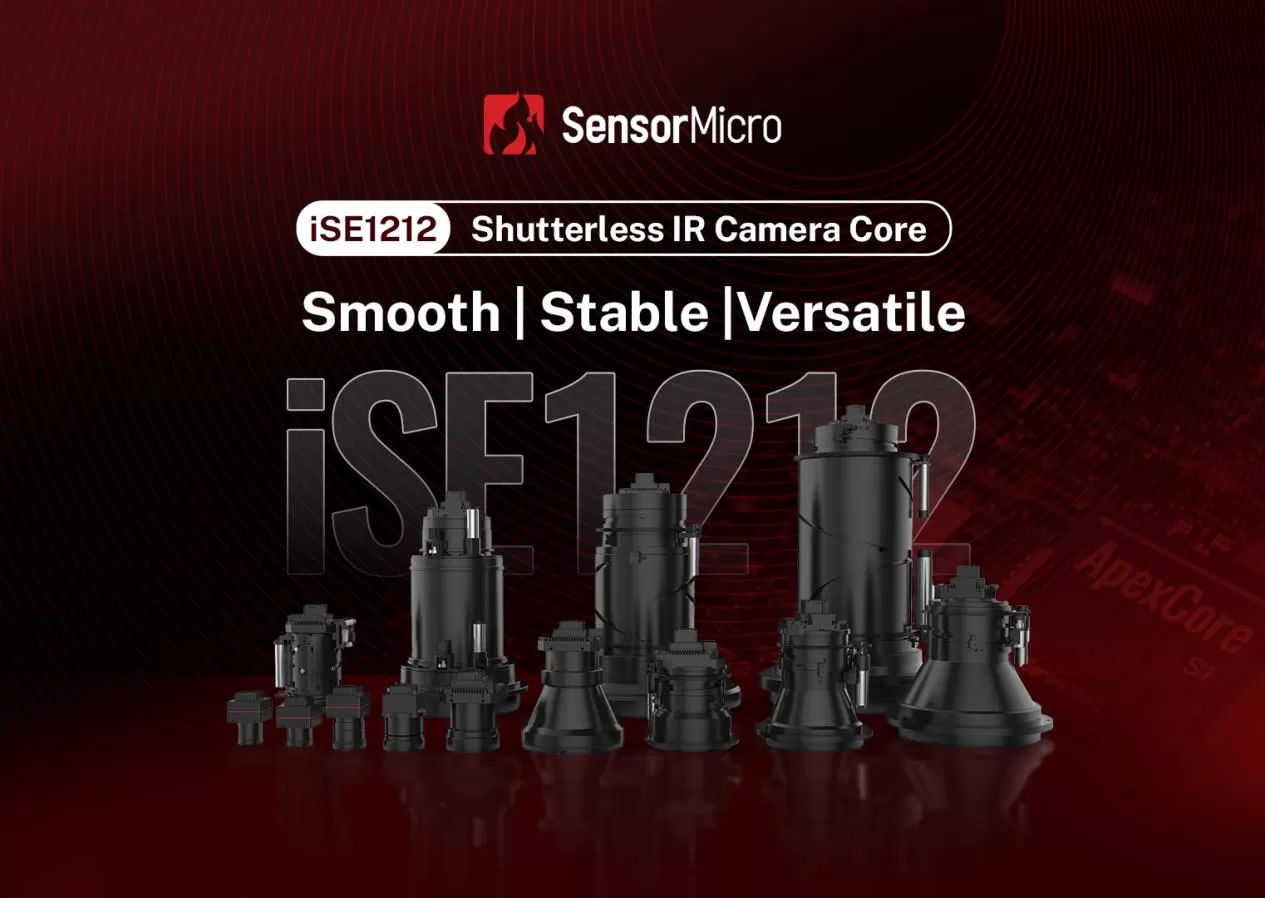
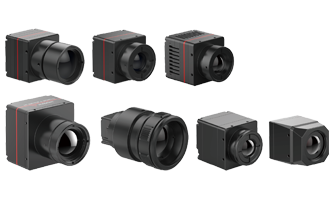
For users seeking premium shutterless thermal imaging performance, the SensorMicro iSE series thermal imaging camera core offers an advanced solution.
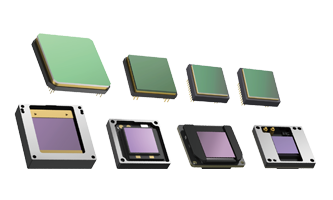
Developed based on a 384×288, 640×512, and 1280×1024/12μm ceramic-packaging infrared detector, the iSE series delivers wider field of view, longer detection range, sharper target details, and smooth shutterless imaging experience. Its shutterless design effectively eliminates image stuttering and noise commonly caused by traditional shutter calibration.
The iSE series also supports super-resolution algorithms, picture-in-picture, customizable OSD, electronic zoom, sleep mode, and a variety of video interfaces and lenses for easy integration. Designed for high-end infrared applications, the iSE series combines megapixel-level thermal imaging performance with seamless real-time observation.
Conclusion
The shutter plays a critical role in traditional thermal imaging cameras by enabling detector calibration and image correction. However, modern shutterless thermal imaging technology is redefining the user experience through continuous, smoother, and more reliable infrared imaging.
As detector performance and intelligent image algorithms continue to improve, shutterless thermal imaging solutions such as the SensorMicro iSE series are becoming an important direction for next-generation infrared applications.


 CN
CN
 EN
EN