Introduction
Many industrial gases, such as liquefied natural gas, liquefied petroleum gas, and ethylene, are colorless, odorless, and invisible to the naked eye. When leaks occur, they can easily go unnoticed—leading to serious risks such as fire, explosion, and environmental damage. Traditional gas detection methods, such as mechanical probes or handheld detectors, often require close contact with the gas and can only measure concentration at a single point. This not only limits efficiency but also exposes inspectors to potential hazards.
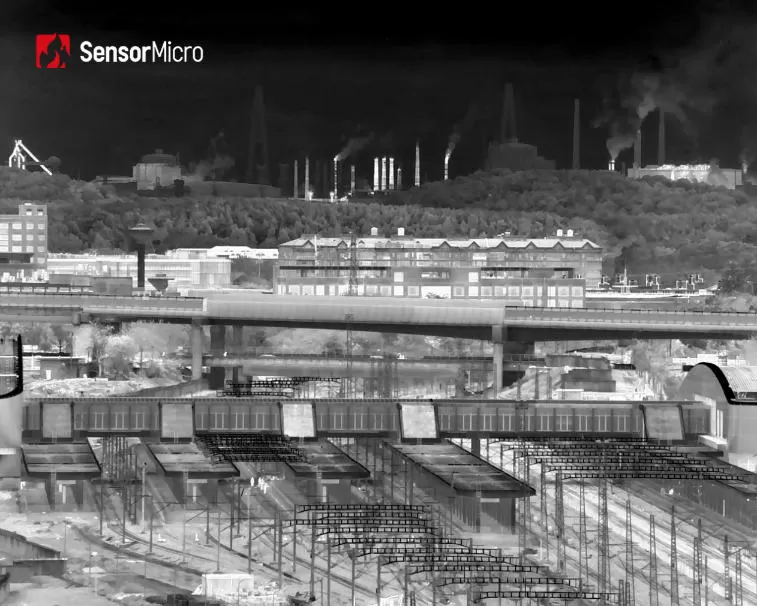
Today, infrared thermal imaging—especially Optical Gas Imaging (OGI) technology—offers a safer and more efficient solution, allowing users to “see”invisible gas leaks in real time.
What Is Thermal Imaging for Gas Detection?
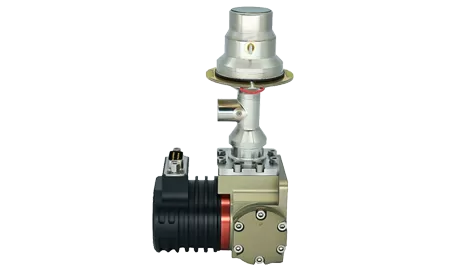
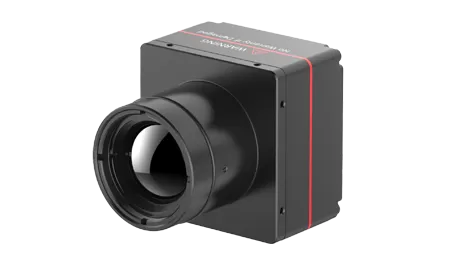
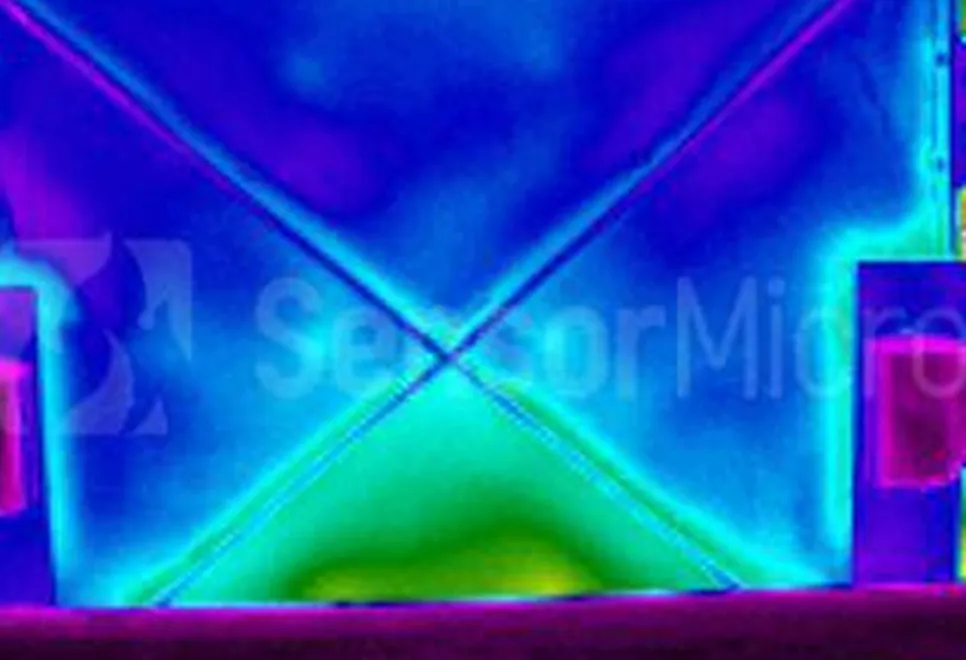
Thermal imaging for gas detection works by identifying the infrared radiation differences between a gas and its background, enabling the visualization of otherwise invisible leaks. Thermal imaging cameras are equipped with narrowband optical filters that are tuned to the specific infrared absorption wavelengths of target gases. By capturing only these spectral bands, the system captures the radiation difference between the gas and its surroundings, allowing the gas leak to be clearly displayed as a visible thermal image, enabling inspectors to detect leaks in real time, locate the exact source, and assess the scale. This process transforms gas detection from an invisible, indirect measurement into a visual, intuitive inspection.
Key Advantages of Thermal Imaging Gas Detection
2.1 Visualized Gas Leaks
Thermal imaging converts invisible gas leaks into visible, real-time images, making detection faster and more intuitive.
2.2 Long-Distance and Non-Contact Inspection
Unlike traditional methods, thermal cameras allow inspectors to detect leaks from a safe distance, reducing exposure to hazardous gases.
2.3 Wide-Area Scanning
Thermal cameras can scan large areas, significantly improving inspection efficiency compared to point-based detection tools.
2.4 Multi-Gas Detection Capability
Thermal imaging systems can detect a wide range of gases, including Benzene, Butane, Ethane, Ethylbenzene, Ethylene, Heptane, Hexane, Isoprene, Methyl Ethyl Ketone (Mek), Methane, Methanol, Methyl Isobutyl Ketone, Octane, Pentane, 1-Pentane, Propane, Propylene, Toluene, Xylene.
Applications of Thermal Imaging in Gas Leak Detection
3.1 Oil and Gas Industry
In oil and gas production, thermal imaging helps detect leaks early, preventing hazardous emissions and ensuring safe operations. It plays a critical role in preventive maintenance and safety management.
3.2 Natural Gas Transmission and Distribution
Gas pipelines supply energy to cities and industries, but leaks can have serious consequences. Thermal cameras enable operators to detect small leaks, locate leak points quickly, and ensure public safety.
3.3 Refining and Petrochemical Processing
In refineries, thermal imaging is used to monitor volatile gases during processing, helping optimize operations and reduce emissions.
3.4 Equipment Inspection and Failure Detection
Industrial equipment often experiences wear, corrosion, or damage that can lead to gas leaks. Thermal cameras can identify abnormal temperature points, detect damaged components, and support predictive maintenance. This helps prevent leaks before they occur.
3.5 Environmental Monitoring and Compliance
Thermal imaging is widely used in environmental protection and regulatory inspections. Authorities can use OGI infrared cameras to identify emission sources, monitor industrial gas releases, and ensure compliance with environmental regulations.
Conclusion
Gas leaks pose serious risks due to their invisible nature, but thermal imaging technology is changing the way industries detect and manage them. By transforming invisible gases into visible images, infrared thermal cameras enable faster, safer, and more accurate leak detection. From oil and gas to environmental monitoring, thermal imaging is becoming an essential tool for ensuring safety, efficiency, and compliance in modern industries.


 CN
CN
 EN
EN