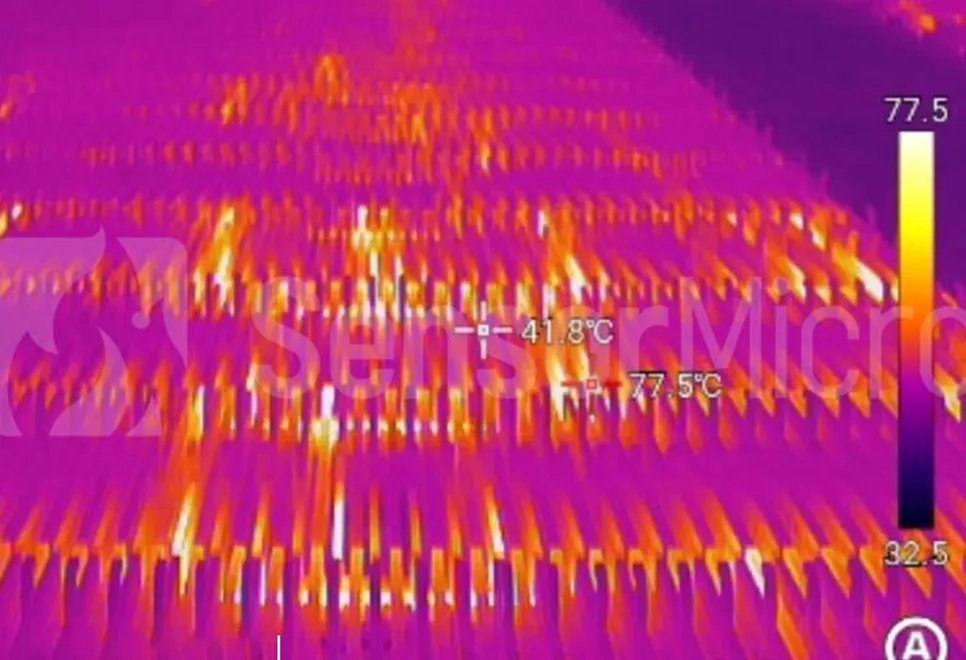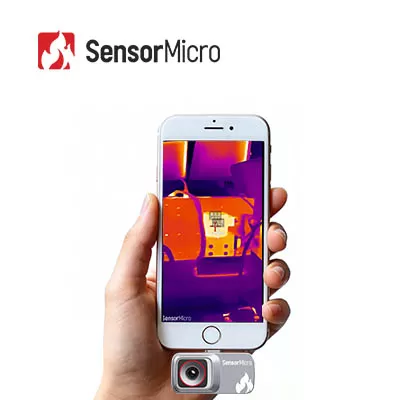
Thermal imaging technology was once limited to professional equipment used in industrial inspection, security, and research. Today, thanks to advances in sensor miniaturization, thermal cameras can now be connected directly to smartphones, allowing users to capture thermal images anytime and anywhere.
Many people wonder: Can a smartphone work as a thermal camera?
The answer is yes—but not by itself. While smartphones have powerful processors and high-resolution displays, they still require a dedicated thermal imaging sensor to detect infrared radiation.
Can a Smartphone Detect Heat by Itself?
Most modern smartphones cannot detect heat or infrared radiation on their own. Standard smartphone cameras are designed to capture visible light, not thermal energy. Thermal imaging requires a special infrared sensor capable of detecting infrared radiation emitted by objects. Without this sensor, a phone cannot produce a real thermal image. However, smartphones can easily become thermal cameras when paired with an external thermal imaging module or attachment.
How Does a Phone Thermal Camera Work?
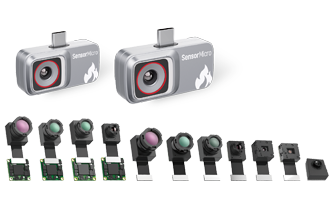
A smartphone thermal camera typically works through a compact infrared module that connects to the phone via a port such as USB-C or Lightning. The process usually involves three steps:
1. Heat Detection
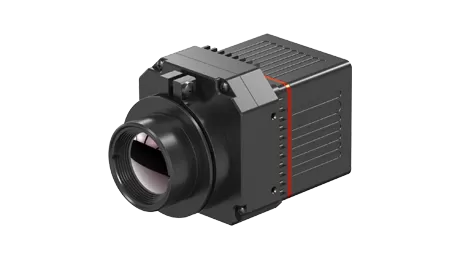
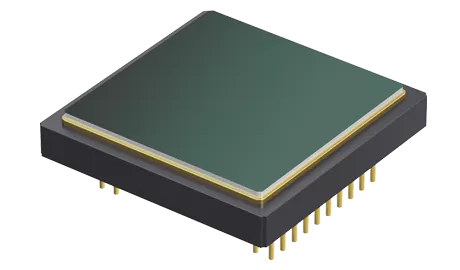
The thermal imaging module contains an infrared detector that captures heat signatures from objects in the environment.
2. Data Processing
The sensor converts temperature differences into digital signals. These signals are then processed either by the module itself.
3. Thermal Image Display
Through a dedicated mobile app, the smartphone displays the thermal data as a color-coded heat map, allowing users to easily identify temperature differences.
Types of Smartphone Thermal Cameras
There are several types of smartphone thermal imaging solutions available today.
1. Plug-in Thermal Camera Modules
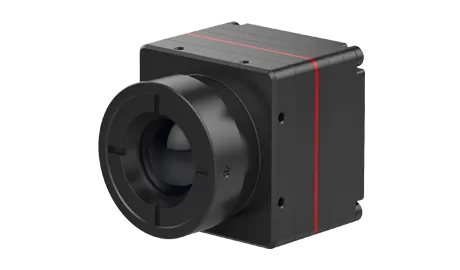
These are small thermal cameras that plug directly into a phone’s charging port. They are compact, portable, and easy to use. Typical features include real-time thermal imaging, multiple color palettes, temperature measurement, and image and video recording. These modules are commonly used for home inspection, HVAC maintenance, electrical troubleshooting, and outdoor exploration.
2. Wireless Thermal Cameras
Some thermal cameras connect to smartphones via Wi-Fi or Bluetooth.
Advantages of Using a Smartphone Thermal Camera
Smartphone-based thermal imaging solutions offer several benefits compared with traditional handheld thermal cameras.
1. Portability
Because the device connects directly to a smartphone, users can easily carry a thermal camera in their pocket.
2. Easy Operation
Mobile apps provide intuitive interfaces, making thermal imaging accessible even for beginners.
3. Cost Efficiency
Compared with professional standalone thermal cameras, smartphone attachments are often more affordable, making thermal imaging accessible to a wider range of users.
Common Applications of Phone Thermal Cameras
Smartphone thermal imaging is useful in many everyday and professional scenarios.
1. Home Inspection
Users can identify heat leaks, poor insulation, water damage, and electrical overheating.
2. Electrical Maintenance
Thermal cameras can detect overheating components in electrical panels and wiring, helping prevent equipment failures.
3. HVAC Diagnostics
Technicians use thermal imaging to locate air leaks, blocked ducts, and temperature inconsistencies.
4. Outdoor and Wildlife Observation
Thermal cameras help detect animals in low-light conditions, making them useful for outdoor exploration.
5. Automotive Diagnostics
Thermal imaging can help identify overheating engine components or abnormal temperature patterns.
Although smartphones cannot detect heat on their own, they can easily become powerful thermal imaging devices when paired with an external infrared module. Smartphone thermal cameras combine portability, convenience, and affordability, making thermal imaging more accessible than ever before. From home inspection to industrial diagnostics, these devices are opening new possibilities for both professionals and everyday users. As technology continues to improve, the smartphone may soon become one of the most widely used platforms for portable thermal imaging solutions.


 CN
CN
 EN
EN