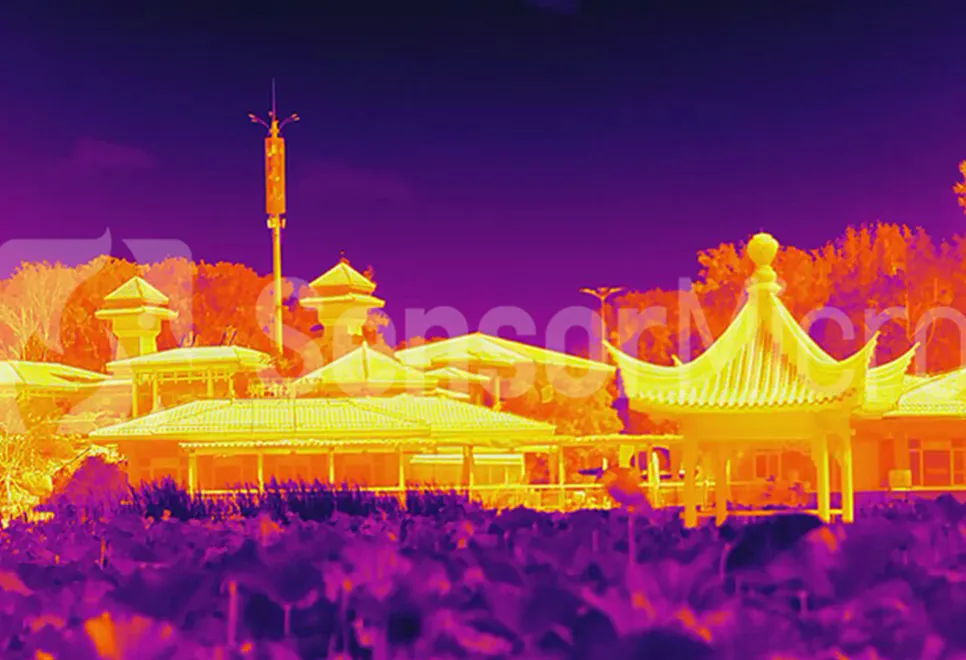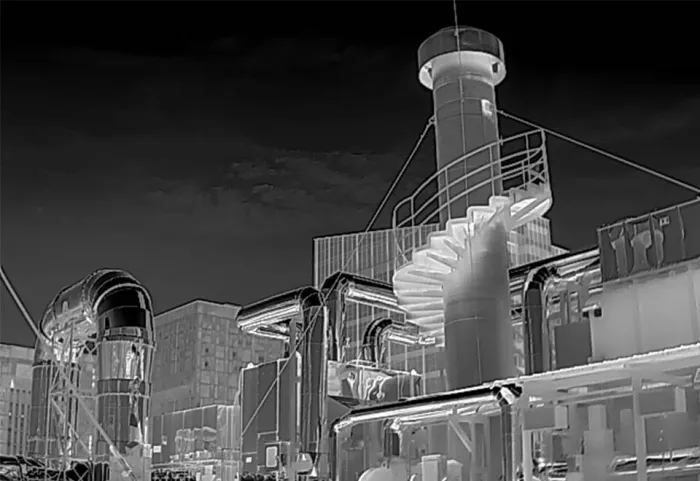
Short-range infrared thermal monitoring (0–100m) is widely used for industrial inspection, indoor temperature measurement, community perimeter security, and building hazard detection. Unlike long-range thermal monitoring that prioritizes high resolution and long focal length, short-range infrared monitoring focuses on full-scene coverage, blind-spot-free surveillance, and cost-effective stable imaging. Choosing a suitable infrared camera core is critical for reliable continuous short-range monitoring, and reasonable optical parameter matching is the core of system optimization.
All infrared thermal imaging core selections follow the fundamental optical rule: fixed detector size delivers wider Field of View (FOV) with shorter focal length. Short-range monitoring requires broad coverage and high monitoring efficiency rather than ultra-high angular resolution. Excessively long focal lengths narrow FOV, cause limited frame coverage and frequent angle adjustment, resulting in discontinuous monitoring. Balancing wide FOV, stable imaging, and low cost is the core short-range selection principle to avoid unnecessary performance redundancy.
For 0–100m short-range scenarios, 6mm to 12mm short focal length lenses are the optimal choice. This configuration provides ultra-wide horizontal and vertical FOV, achieves full-area coverage for factories, indoor spaces and residential perimeters, and effectively eliminates monitoring blind spots.
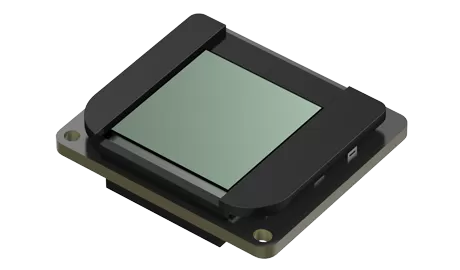
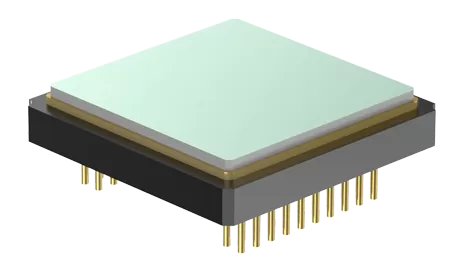
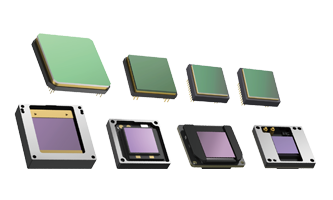
In terms of detector configuration, the most cost-effective mainstream solution adopts 320×240 resolution with 17μm pixel size. This infrared core meets basic short-range target recognition and temperature measurement needs, featuring low cost and high stability for large-scale deployment. For high-precision close-range detection of electronic components and tiny faults, a 640×512 resolution, 12μm pixel size core is recommended to capture subtle temperature differences and detailed defects.
The Instantaneous Field of View (IFOV) for short-range infrared cores should be kept above 1.5mrad. A moderate IFOV value fully supports conventional monitoring of personnel, vehicles and industrial equipment, while ultra-low IFOV only increases costs without improving actual short-range monitoring performance.
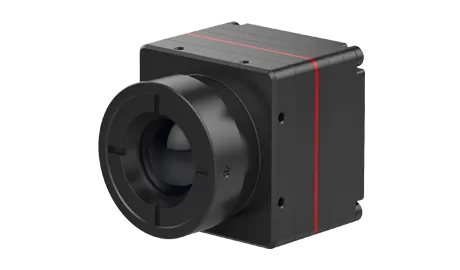
The most practical short-range infrared core solution is 320×240 + 10mm focal length + 17μm pixel size. It delivers wide viewing angle, stable imaging and low comprehensive cost, ideal for indoor industrial monitoring, community perimeter security, factory patrol inspection and indoor fire hazard warning.
In selection practice, avoid long-focal-length cores for short-range use, which easily cause blind spots and monitoring omissions. Meanwhile, refrain from blindly pursuing ultra-high resolution to prevent performance redundancy and cost waste. Matching moderate and targeted parameters is the key to maximizing short-range infrared monitoring cost performance.


 CN
CN
 EN
EN