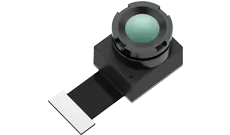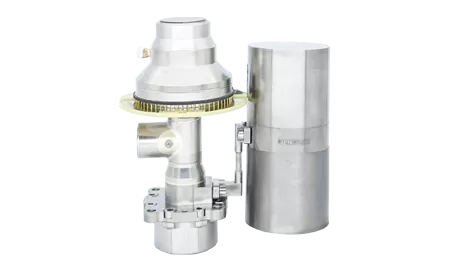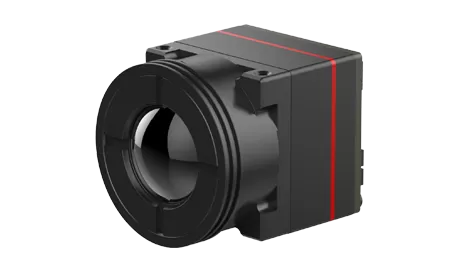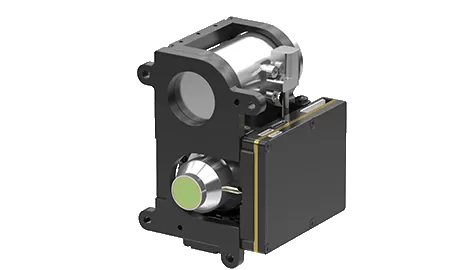
When purchasing industrial infrared thermal imaging devices, pursuing over-spec configurations blindly should be avoided. Matching resolution and temperature measurement accuracy to on-site conditions, along with evaluating built-in infrared detectors and infrared cores, is the core principle for reliable infrared temperature measurement and accurate temperature measurement while controlling costs. Resolution defines imaging details and target identification capability, while temperature measurement accuracy determines data credibility — two core indicators reflecting the performance of industrial infrared thermal imagers.
Many buyers misunderstand parameters, assuming higher pixels or smaller accuracy figures equal better performance. In fact, infrared resolution is decided directly by infrared detectors, different from screen display resolution. Each infrared pixel serves as an independent temperature sampling point; more pixels mean denser sampling and stronger recognition for tiny components and distant targets. Temperature measurement accuracy refers to the deviation between measured and actual values, affected by detector performance, algorithm calibration of infrared cores, ambient conditions and emissivity compensation. Its practical value varies greatly across industrial scenarios.
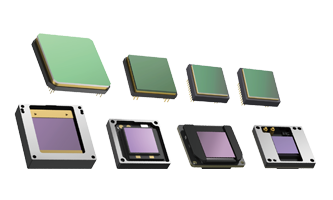
Common industrial resolutions correspond to different grades of infrared detectors and cores. The 160×120 model with basic infrared cores suits large-scale routine screening such as factory cable and tank inspection, fully meeting basic infrared temperature measurement needs. As the mainstream choice, 320×240 and 384×288 configurations adopt mature uncooled infrared detectors and standard cores. They balance imaging quality, power consumption and cost, ideal for electrical equipment, machinery and pipeline inspection in most factories. For precision scenarios including circuit board and micro-component testing, 640×512 or higher resolution is required. Equipped with high-pixel detectors and optimized high-definition cores, such devices capture subtle temperature changes effectively. Ultra-high resolution is unnecessary for long-distance patrols, as it raises costs and data processing load.
Temperature measurement accuracy is categorized by fixed error and percentage reading error, with the larger value taken as the actual deviation. Devices with an accuracy of ±2℃ or ±2% reading work well for general equipment temperature screening and building heat loss detection. Scenarios requiring quantified data, such as high-voltage equipment inspection and predictive maintenance, demand an accuracy of ±1℃ or ±1% reading. Their advanced infrared detectors and intelligent cores deliver multi-environment error compensation for traceable and compliant measurement results. For laboratory research and high-end manufacturing, professional units with cooled infrared detectors offer accuracy within ±0.5℃ to satisfy strict temperature measurement standards.
Reasonable combination of resolution and accuracy is essential. Low resolution makes high accuracy meaningless due to covered tiny hotspots, while clear images from high resolution cannot support reliable analysis without decent accuracy. For regular industrial patrols, 320×240 resolution paired with ±1.5℃/±1.5% accuracy and standard uncooled detectors and integrated cores brings the best cost performance. Precision detection requires 640×512+ resolution and accuracy above ±1℃. Large-area rough inspection can adopt 160×120 resolution and basic accuracy to cut expenditure.
Harsh industrial environments also impact real performance. In dusty, smoky or humid workshops, prioritize anti-interference infrared cores and stable detectors first. For outdoor areas with drastic temperature changes, check the working temperature range of detectors and temperature drift correction of cores. Stay away from products with falsely marked parameters, since genuine performance relies on qualified internal components.
To sum up, select industrial infrared thermal imaging devices based on actual inspection demands, target size, working distance and data requirements. Take infrared detectors and infrared cores into overall consideration instead of chasing extreme parameters. Proper matching maximizes the value of infrared temperature measurement in fault detection and process monitoring, and ensures cost-efficient, stable operation in industrial sites.


 CN
CN
 EN
EN