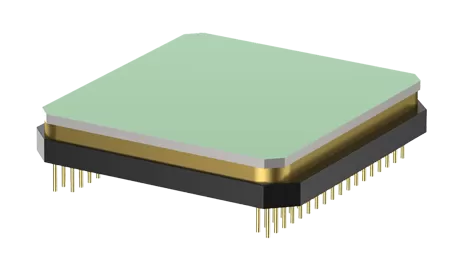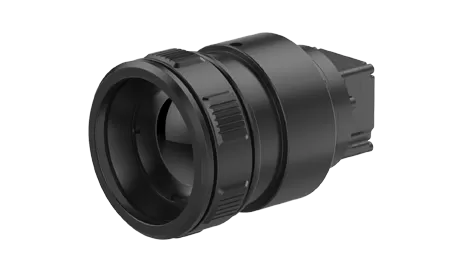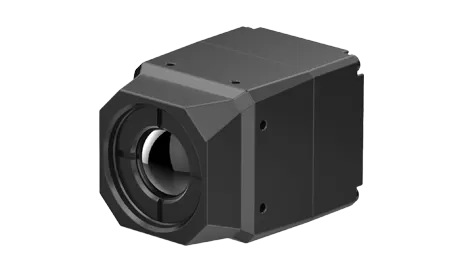
As autonomous driving technology continues to evolve, ensuring reliable perception in every environment remains one of the industry's greatest challenges. Cameras, LiDAR, radar, and ultrasonic sensors all contribute to a vehicle's understanding of its surroundings. However, each of these technologies has limitations, especially in darkness and adverse weather.
Infrared thermal imaging has emerged as a valuable addition to the autonomous driving sensor suite. By detecting heat instead of visible light, thermal cameras provide consistent environmental awareness regardless of lighting conditions. This additional layer of perception significantly improves safety, helping autonomous vehicles identify hazards earlier and make more informed driving decisions.
Why Autonomous Vehicles Need Thermal Imaging
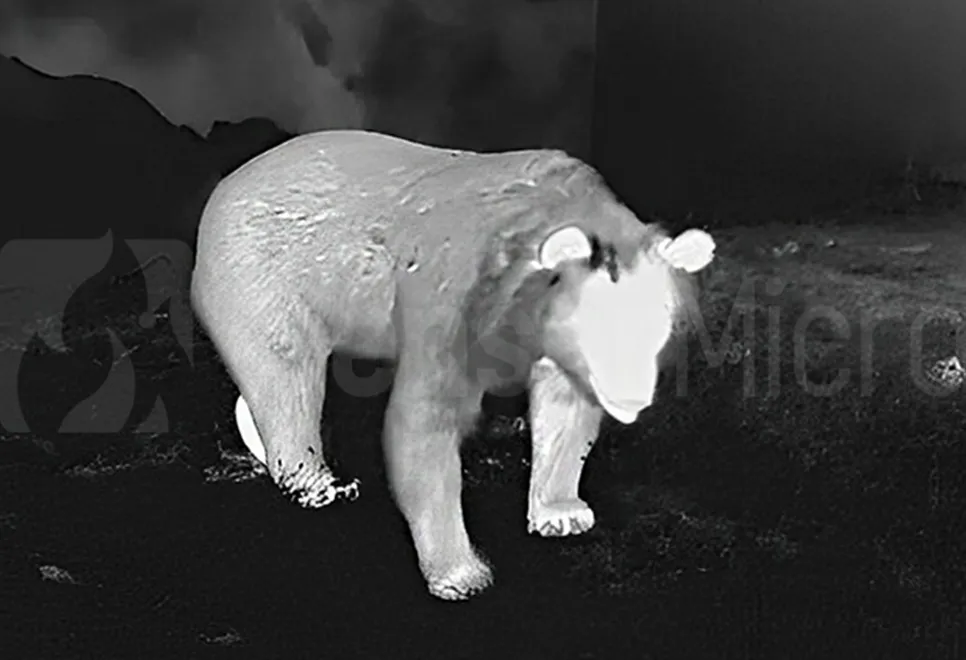
Most conventional cameras rely on visible light, making their performance highly dependent on environmental conditions. At night, in dense fog, heavy rain, or snowfall, image quality can deteriorate rapidly, reducing the accuracy of object detection. Infrared thermal imaging works differently. Instead of capturing reflected light, thermal cameras detect infrared radiation naturally emitted by objects. People, animals, vehicles, and machinery all produce heat signatures that remain visible even in complete darkness. For autonomous vehicles, this means thermal imaging can provide reliable detection when optical cameras struggle, ensuring continuous situational awareness in challenging environments.
Superior Performance in Low-Visibility Conditions
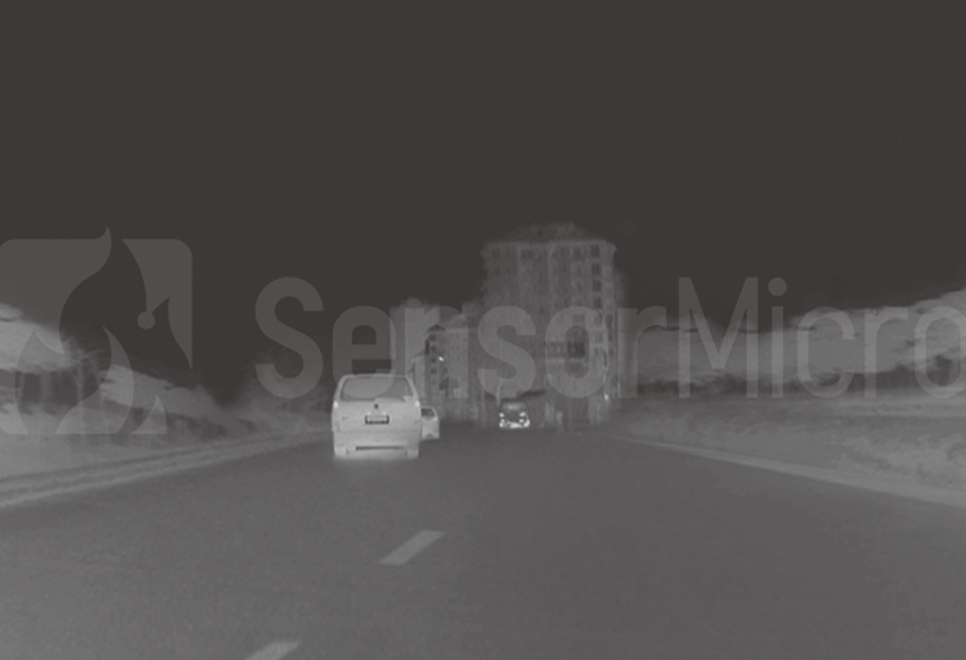
One of the greatest advantages of infrared thermal imaging is its ability to operate effectively in poor visibility. Whether driving through unlit roads, fog-covered highways, or rainy city streets, thermal cameras continue to identify objects that might otherwise remain hidden. This capability allows autonomous systems to detect obstacles much earlier than conventional vision systems alone. Earlier detection gives the vehicle more time to slow down, change lanes, or stop safely, reducing the likelihood of accidents. For autonomous transportation, maintaining reliable perception regardless of weather or lighting is essential for achieving consistent operational safety.
Improved Object Recognition for AI Systems
Accurate object recognition is the foundation of autonomous driving. Artificial intelligence must quickly distinguish between pedestrians, cyclists, vehicles, road infrastructure, and other obstacles before making driving decisions. Thermal imaging enhances this process by creating a strong temperature contrast between heat-emitting objects and the surrounding environment. Instead of relying solely on colors or textures, AI algorithms gain additional thermal information that improves classification accuracy. When thermal data is fused with visible imaging, radar, and LiDAR information, autonomous vehicles achieve more robust object recognition and reduce the risk of false detections or missed hazards.
Enhanced Pedestrian and Animal Detection
Pedestrian safety remains one of the highest priorities for autonomous driving systems. Thermal imaging significantly improves the ability to detect people, even when they wear dark clothing or stand in poorly illuminated areas. Similarly, thermal cameras help identify animals crossing rural roads or highways long before they become visible to standard cameras. This early warning is particularly valuable during nighttime driving, when wildlife-related accidents are most common. By recognizing vulnerable road users sooner, autonomous vehicles can react more effectively, minimizing collision risks and improving overall road safety.
Early Detection of Heat-Related Hazards
Infrared thermal imaging does more than identify living objects. It can also detect abnormal heat sources that may indicate potential dangers. For example, thermal cameras can recognize overheated vehicles, engine fires, roadside fires, or other unexpected heat-emitting hazards before they become clearly visible. Early identification enables autonomous systems to take preventive actions, such as adjusting routes, reducing speed, or stopping safely. This capability adds another important layer of protection for both passengers and surrounding traffic.
Building a More Reliable Multi-Sensor System
No single sensor can provide perfect environmental perception under every condition. That is why modern autonomous vehicles increasingly rely on sensor fusion, combining information from cameras, radar, LiDAR, GPS, and thermal imaging. Infrared thermal cameras serve as an independent source of environmental information, providing redundancy when other sensors encounter limitations. This multi-layered approach improves the reliability of autonomous driving systems and supports safer decision-making in complex real-world scenarios. As the automotive industry continues to pursue higher levels of vehicle autonomy, thermal imaging is becoming an increasingly important component of comprehensive perception systems.
Future Applications of Thermal Imaging in Autonomous Mobility
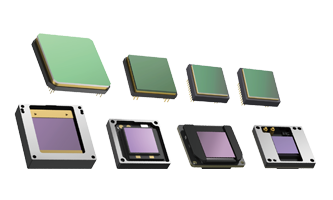
The role of infrared thermal imaging extends beyond passenger vehicles. Autonomous delivery robots, self-driving trucks, mining vehicles, agricultural machinery, airport ground equipment, and intelligent public transportation systems can all benefit from enhanced thermal perception. Advances in infrared detector technology are making thermal cameras smaller, lighter, more energy-efficient, and more affordable. These improvements are accelerating their integration into next-generation autonomous mobility platforms. As artificial intelligence and autonomous driving technologies continue to mature, thermal imaging will play an increasingly significant role in enabling safer, more reliable, and more intelligent transportation systems.
Conclusion
Infrared thermal imaging is transforming the way autonomous vehicles perceive their surroundings. By providing reliable vision in darkness, fog, rain, and other challenging conditions, thermal cameras complement traditional sensors and significantly improve object detection, pedestrian safety, hazard recognition, and overall driving reliability. As autonomous transportation moves closer to widespread adoption, integrating infrared thermal imaging into multi-sensor perception systems will become increasingly important. With its ability to see beyond the limitations of visible light, thermal imaging is helping shape a safer future for intelligent mobility.


 CN
CN
 EN
EN