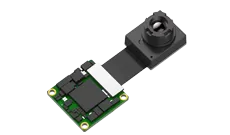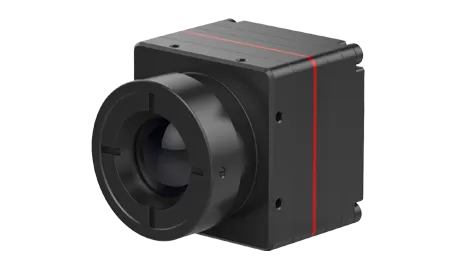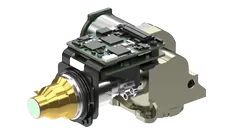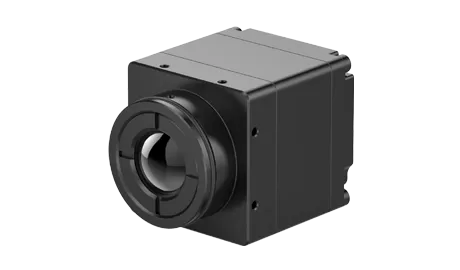
Thermal imaging systems are becoming smaller, lighter, and easier to integrate. A thermal camera that once required a large enclosure and a high-power supply can now be built into handheld devices, compact inspection equipment, smart sensors, and other space-constrained systems.
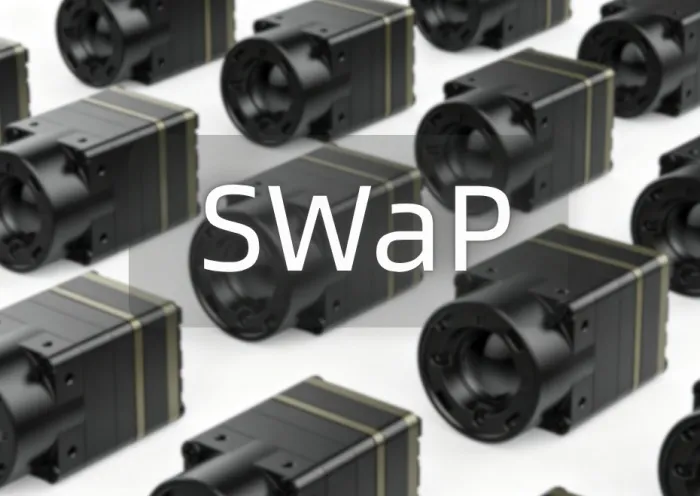
This development is closely related to SWaP, a term widely used in infrared imaging and sensor design. SWaP stands for Size, Weight, and Power. It describes how much physical space a thermal imaging system occupies, how much it weighs, and how much electrical power it needs to operate.
For thermal imaging, SWaP is not simply a matter of making a camera smaller. Reducing size or power can affect optical performance, image quality, heat dissipation, processing capability, and battery life. The real goal is to achieve a better balance between compactness, efficiency, and imaging performance.
What Does SWaP Mean in Thermal Imaging?
SWaP is an engineering concept used to evaluate the overall efficiency of a system under physical and power constraints.
Size refers to the physical dimensions of the thermal detector, camera core, lens, electronics, and the complete imaging system. A smaller thermal camera core gives system designers more freedom when integrating infrared imaging into compact products.
Weight refers to the mass of the imaging system. This includes not only the detector but also the lens, electronics, housing, cooling components, and power supply. Lower weight is especially valuable in portable and battery-powered equipment.
Power refers to the electrical power required during operation. Lower power consumption reduces the demand on the battery or power supply and can also reduce heat generated inside the device.
Why is SWaP Important for Thermal Cameras?
The importance of SWaP becomes clear when a thermal camera needs to be integrated into a small or mobile product.
Consider a portable thermal imaging device. If the IR camera core is large and consumes significant power, the product may need a larger battery, a stronger housing, and more space for heat management. The result is a larger and heavier device.
A compact and low-power thermal core can reduce these requirements. The space saved by the camera can be used for other electronics, while lower power consumption can help reduce battery capacity requirements.
This relationship creates a practical advantage. Reducing the power consumption of one component does not necessarily mean only saving electrical energy. It may also reduce battery size, thermal management requirements, and overall system weight.
The exact benefit depends on the system design, but the principle is widely applicable: better SWaP can make thermal imaging easier to carry, power, and integrate.
The Relationship Between Size, Weight, and Power
The three elements of SWaP cannot be optimized independently.
Reducing the size of a thermal camera may require more highly integrated electronics. More integration can reduce the number of components and shorten the signal path, but it may also create new challenges for heat dissipation.
Power consumption presents a similar trade-off. A higher-resolution detector produces more image data. Processing this data in real time may require greater computing capability, which can increase power consumption.
Optics also play an important role. A thermal detector alone does not determine the size of the final camera. The lens, focal length, aperture, mechanical structure, and electronics all contribute to the overall dimensions.
This is why a small detector does not automatically result in a small thermal camera. Good SWaP design requires the detector, optics, electronics, image processing, and mechanical structure to work together.
SWaP and Thermal Image Performance
One common misunderstanding is that SWaP means sacrificing image quality for a smaller product.
That is not necessarily the case.
Modern infrared technology allows manufacturers to improve detector sensitivity, pixel size, readout electronics, packaging, and image processing at the same time. The development of smaller pixel size and more highly integrated camera cores structure makes it possible to achieve higher resolution within a smaller package.
However, there are still engineering trade-offs.
For example, moving from a lower-resolution detector to a higher-resolution detector increases the amount of image data that must be read, processed, stored, or transmitted. A 640 × 512 detector contains 327,680 pixels, while a 1280 × 1024 detector contains 1,310,720 pixels—four times as many pixels.
Higher resolution can provide more image detail, but it may also increase requirements for processing power, memory, interface bandwidth, and system power.
Therefore, the best thermal camera is not always the one with the highest resolution or the lowest power consumption. The better choice is the one that provides the required imaging performance within the size, weight, and power limits of the target application.
From SWaP to SWaP³
As thermal imaging technology has developed, the concept of SWaP has also expanded.
A 2023 review published in Sensors describes the development of intelligent SWaP³ infrared cameras. In this concept, Size, Weight, and Power are considered together with Performance and Price. The study notes that infrared products are increasingly designed not only for maximum technical performance, but also for usability, manufacturability, and cost effectiveness.
This is important for commercial thermal imaging.
An infrared camera may be extremely small and power-efficient, but if it cannot provide the required NETD, resolution, frame rate, temperature measurement capability, or reliability, it may not be suitable for the application.
The same applies to price. A highly advanced thermal system may offer excellent performance but still be unsuitable for a mass-market product if its cost is too high.
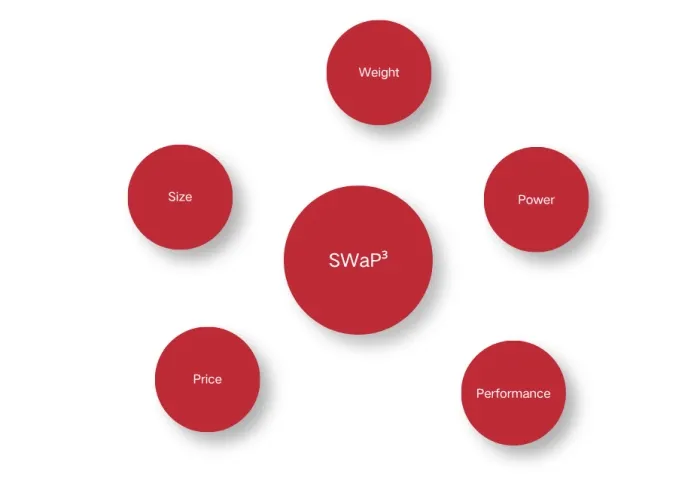
SWaP³ therefore represents a more complete way of thinking about thermal imaging design: the goal is not to optimize one specification, but to achieve the right balance between size, weight, power, performance, and cost.
Where Are SWaP Thermal Imaging Solutions Used?
SWaP is particularly important wherever space, weight, or available power is limited.
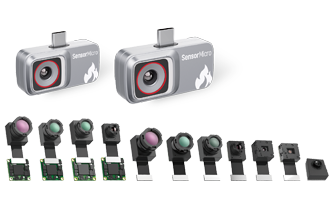
In portable thermal cameras, a lightweight and low-power core can make the device easier to carry and operate for longer periods.
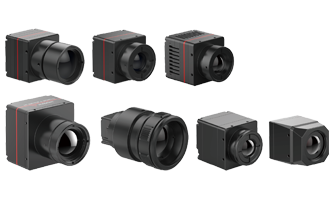
In industrial inspection equipment, compact thermal modules can be integrated into existing machines without requiring major changes to the mechanical structure.
In smart security systems, smaller camera cores can support more compact camera designs and embedded sensing devices.
In machine vision and automation, low-power thermal modules can be integrated alongside visible-light cameras and other sensors without significantly increasing the size of the system.
SWaP is also increasingly relevant to battery-powered and embedded sensing products. A review found that intelligent SWaP³ infrared cameras have applications across areas including medical thermal imaging, temperature measurement, agriculture, industrial monitoring, and disaster prevention.
The common requirement is simple: the thermal imaging function needs to deliver useful information without becoming the largest, heaviest, or most power-hungry part of the system.
How Thermal Technology is Improving SWaP
Several technology developments are helping thermal imaging systems achieve better SWaP.
Smaller pixel pitches allow more pixels to be placed within a given detector area. Advanced wafer-level packaging can reduce detector package size. More integrated electronics can reduce the number of external components. Improved image processing can enhance image quality without requiring a larger optical system.
Low-power electronics are also important. When the detector, readout circuit, processor, and interface are designed together, the overall power budget can be reduced more effectively than by optimizing individual components separately.
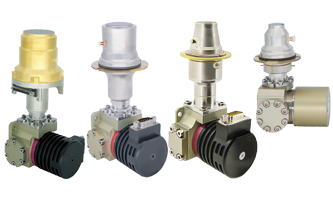
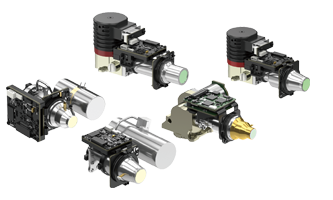
For cooled infrared systems, cooling technology is another major factor. The cryocooler is an important part of the overall SWaP budget, so improvements in cooling efficiency and mechanical design can directly affect system size, weight, and power consumption.
The direction of development is therefore clear: more imaging capability in a smaller and more efficient package.
As infrared technology continues to evolve, the focus is shifting from simply making thermal cameras smaller to making them smaller, lighter, more power-efficient, and still capable of delivering the required image quality and sensing performance. This is the real value of SWaP—and, increasingly, SWaP³—in thermal imaging.


 CN
CN
 EN
EN