Customer Industry: Industrial Manufacturing
Application Scenario: Abnormal Temperature Monitoring of Cathode and Anode Plates in Zinc Electrolysis
Background
The customer operates a large-scale zinc production facility where zinc is produced through an electrolytic process. After the zinc-bearing material is processed and the solution is purified, the zinc-containing electrolyte is fed into electrolysis cells. Aluminum cathode plates and lead-based anode plates are arranged inside the cells, where an electric current drives the deposition of metallic zinc onto the cathodes.
The electrolysis workshop contains a large number of cathode and anode plates and operates with very high electrical currents. Under normal conditions, the plates should maintain a relatively consistent temperature distribution. However, electrical breakdown, poor contact, or other abnormalities can cause localized resistance to increase, resulting in abnormal heating.
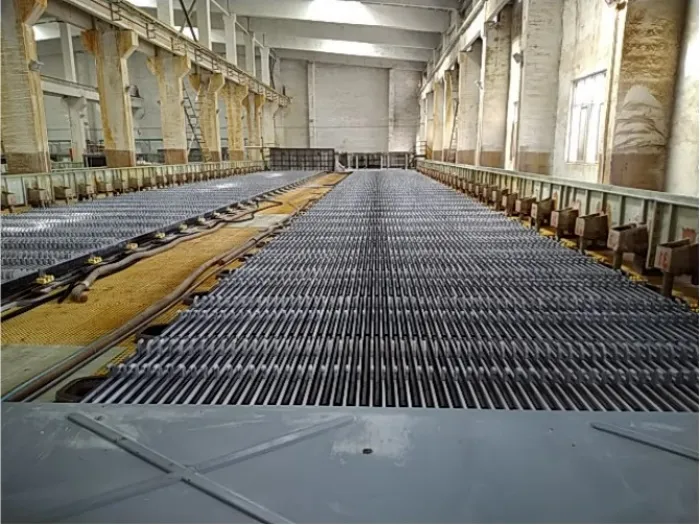
Because the workshop contains many plates operating simultaneously, identifying these abnormal plates through visual inspection alone is difficult and time-consuming. Some overheating problems may not be obvious until they begin to affect production efficiency or equipment safety.
Challenges
Before adopting infrared thermal imaging, operators mainly relied on visual inspection and manual checks to identify abnormal plates. This approach presented several challenges.
The large number of plates made it difficult to inspect every plate efficiently, while conventional visual inspection could not directly reveal temperature differences across the plates. More importantly, localized overheating caused by electrical breakdown or poor contact could develop without obvious visible signs.
Manual inspection also required significant time and labor, making it difficult to monitor temperature conditions continuously during production. As a result, abnormal plates could remain unnoticed for too long, potentially affecting current distribution, electrolysis efficiency, and overall production stability.
Solution
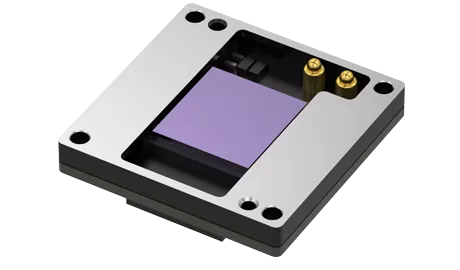
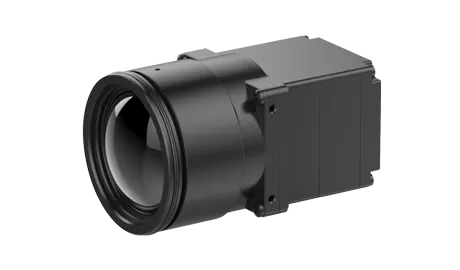
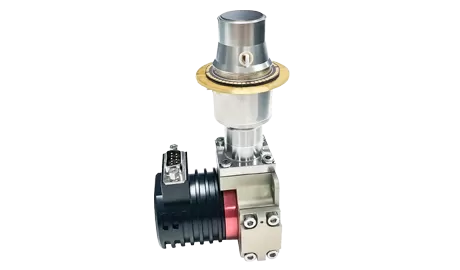
To improve temperature monitoring in the electrolysis workshop, the customer introduced SensorMicro infrared thermal imaging technology for non-contact temperature inspection.
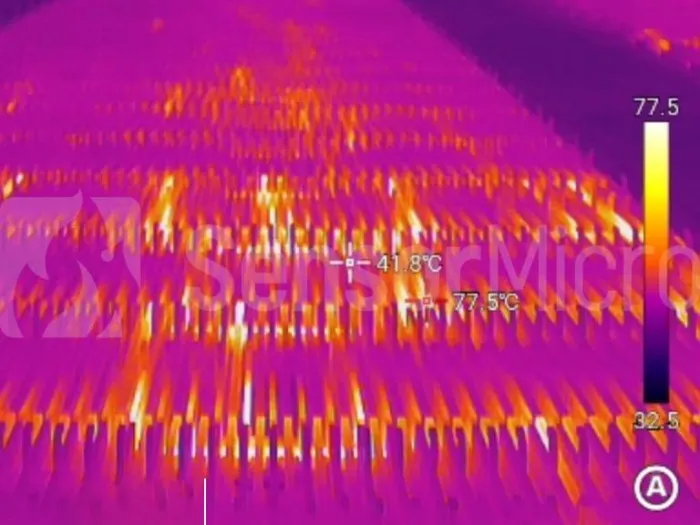
Thermal imaging provides a clear visual representation of temperature distribution across the cathode and anode plates. Instead of checking plates one by one based on appearance, operators can quickly scan a large number of plates and identify areas with abnormal temperature patterns.
When a plate develops abnormal heating, the temperature difference becomes visible in the thermal image, allowing operators to locate the affected plate quickly. This makes it easier to investigate potential electrical contact problems, current-related abnormalities, or other conditions that may cause localized overheating.
Compared with conventional visual inspection, infrared thermal imaging provides a faster and more intuitive way to monitor the thermal condition of electrolysis cells without interrupting the production process.
Results
After integrating SensorMicro thermal imaging technology into the inspection process, the customer significantly improved the efficiency of cathode and anode plate temperature monitoring.
Thermal imaging enabled operators to identify abnormal heating more quickly and locate potentially problematic plates without relying solely on manual visual inspection. The non-contact measurement method also reduced inspection time while providing a more comprehensive view of temperature distribution across the electrolysis area.
By detecting thermal anomalies at an earlier stage, operators can investigate and address potential problems before they develop into more serious production issues. This helps improve process stability, optimize electrolysis conditions, and support more efficient zinc production.
For zinc producers operating high-current electrolysis workshops, temperature monitoring is an important part of maintaining stable and efficient production. SensorMicro infrared thermal imaging technology provides a practical solution for zinc electrolysis temperature monitoring, helping operators visualize abnormal heating, accelerate inspections, and improve production efficiency.


 CN
CN
 EN
EN