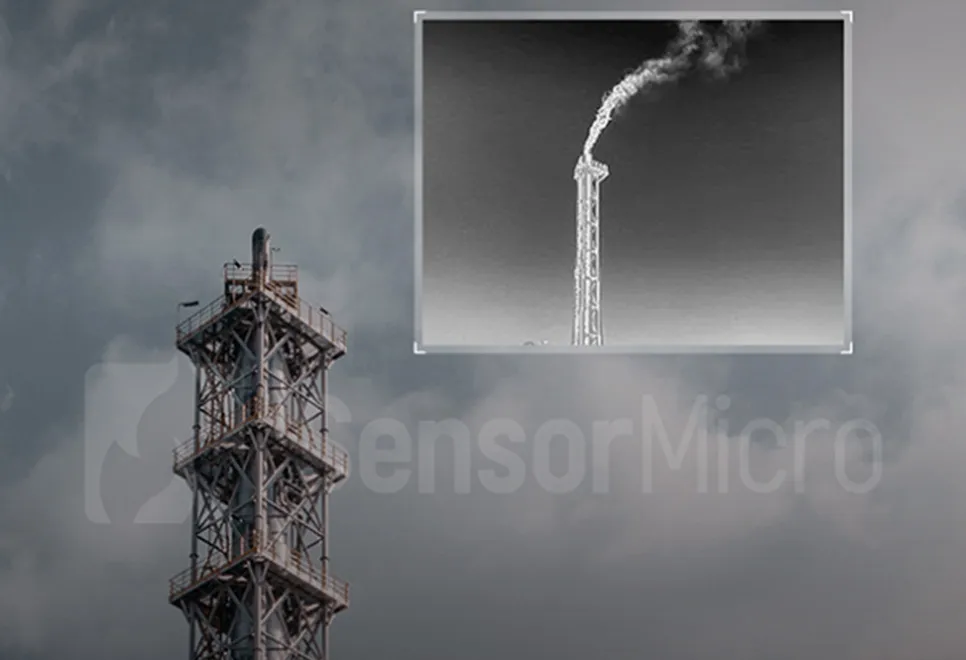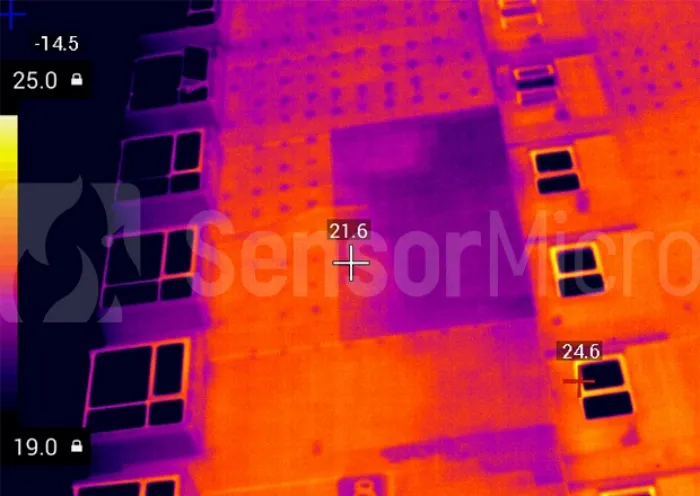
Exterior wall inspection is an essential part of building safety, maintenance, and quality assessment. Cracks, water infiltration, insulation defects, and other problems can gradually affect a building's performance and appearance. However, many of these issues are difficult to identify through visual inspection alone. Infrared thermal imaging offers a non-contact approach to exterior wall inspection. By detecting differences in surface temperature, an infrared camera can reveal thermal patterns associated with moisture, insulation defects, thermal bridges, and other abnormalities. In this sense, an infrared module can provide inspectors with a thermal perspective that is difficult to obtain with conventional inspection methods. As a core component of a thermal imaging system, the infrared module combines an infrared detector, optical system, signal processing, and image processing to convert infrared radiation into a visible thermal image. This makes it an increasingly useful technology for building inspection and preventive maintenance.
Detecting Moisture and Hollow Areas in Exterior Walls
Water infiltration and hollow areas are common problems in exterior wall systems. If left untreated, moisture can damage finishes, reduce insulation performance, promote material deterioration, and contribute to more serious building maintenance problems. Infrared thermal imaging can help identify these areas by detecting differences in how materials absorb, store, and release heat. For example, a wet section of a wall may respond differently to changes in sunlight or ambient temperature than a dry section. Because water has different thermal properties from many construction materials, moisture-related areas can sometimes appear as distinct thermal patterns on an infrared image. Similarly, areas affected by debonding or hollowing may exhibit different heat-transfer characteristics from surrounding wall sections. Under appropriate environmental conditions, these differences can produce recognizable temperature patterns.
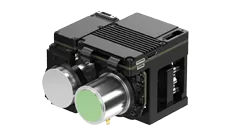
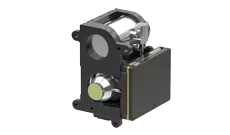
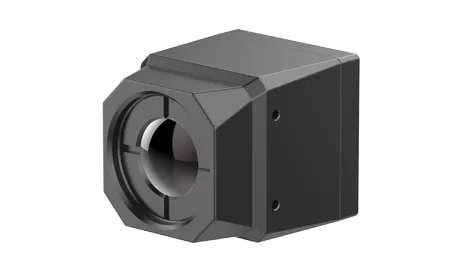
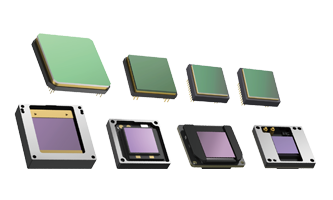
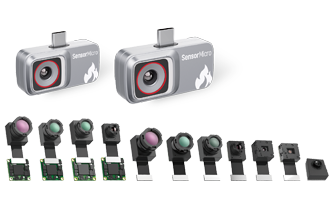
SensorMicro's MINI 212G2 infrared module can be integrated into compact thermal imaging systems designed for applications such as building inspection. By providing thermal data across the wall surface, an infrared imaging system can help inspectors quickly identify suspicious areas that require closer examination. Because thermal patterns can also be affected by sunlight, wind, emissivity, surface materials, and ambient temperature, suspected defects should be verified using appropriate conventional inspection methods when necessary.
Evaluating Exterior Wall Insulation
The quality of exterior insulation has a direct impact on building energy efficiency and indoor comfort. Poor installation, missing insulation, gaps, or damaged insulation materials can create abnormal heat-transfer paths and thermal bridges.
Infrared thermal imaging provides a practical way to visualize these differences across large wall surfaces. When a building facade experiences suitable temperature conditions, areas with different insulation performance may show different surface temperatures. A localized hot or cold region can therefore indicate a possible insulation defect or thermal bridge. For example, during an inspection of a newly constructed building, most of the exterior wall may show a relatively consistent thermal pattern, while an irregular area exhibits a temperature difference of several degrees compared with the surrounding facade. Such an anomaly may indicate insufficient insulation or an abnormal construction area and can then be investigated through targeted sampling.
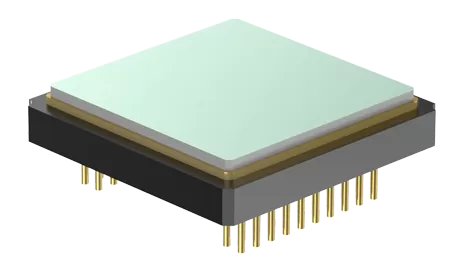
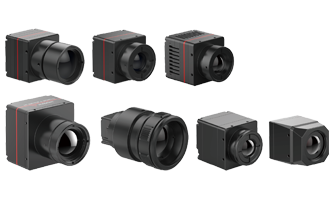
SensorMicro's COIN612RG2 infrared camera core can serve as an imaging core for thermal inspection systems. Its compact design enables system developers to build thermal imaging equipment for applications where size and integration flexibility are important. The combination of thermal imaging and conventional building inspection methods can improve the efficiency of insulation quality assessment without requiring inspectors to examine every section of the facade manually.
Supporting Building Safety Assessment
As buildings age, exterior walls and structural components may develop cracks, deformation, moisture problems, or other forms of deterioration. Infrared imaging can provide additional information during building condition assessments by revealing unusual thermal patterns. A crack, gap, delamination, or change in material structure can sometimes alter local heat transfer. Under suitable conditions, these changes may appear as thermal anomalies on an infrared image. However, thermal imaging should be considered a supporting inspection technology rather than a standalone structural diagnostic method. A thermal anomaly does not automatically mean that a structural defect exists. Instead, it can help inspectors identify areas that deserve further investigation using visual inspection, ultrasonic testing, tapping, moisture measurement, or other appropriate techniques. This makes infrared thermal imaging particularly valuable as an initial screening and localization tool.
From Thermal Images to Smarter Building Inspection
The value of an infrared module in building inspection lies not simply in producing a colorful thermal image. Its real value is in converting invisible temperature differences into measurable and interpretable information. For exterior walls, this information can support the identification of potential moisture infiltration, hollow or debonded areas, insulation defects, and thermal bridges. It can also help inspection teams prioritize areas for further examination, reducing unnecessary manual inspection. As thermal detectors become smaller and imaging systems become more intelligent, infrared modules are increasingly being integrated into handheld thermal cameras, drones, robotic inspection platforms, and other building inspection equipment. This trend is creating new possibilities for large-scale facade inspection, preventive building maintenance, energy-efficiency assessment, and digital building management.
SensorMicro Infrared Modules for Building Inspection
A reliable thermal imaging system starts with a suitable infrared imaging core. Detector sensitivity, spatial resolution, optical design, image processing, and system integration all influence the quality of thermal inspection results. SensorMicro provides infrared modules and infrared cores designed for different thermal imaging applications. Solutions such as the MINI 212G2 and COIN612RG2 provide system developers with compact infrared imaging options for applications where thermal visualization, integration flexibility, and efficient inspection are important. With the development of smart buildings, energy-efficient construction, and predictive maintenance, infrared thermal imaging is becoming an increasingly valuable tool for exterior wall inspection. It may not literally allow inspectors to see through a wall, but it can reveal the thermal clues that hidden building problems leave on the surface. By making these clues visible, infrared modules can help make exterior wall inspection faster, more efficient, and more data-driven.


 CN
CN
 EN
EN