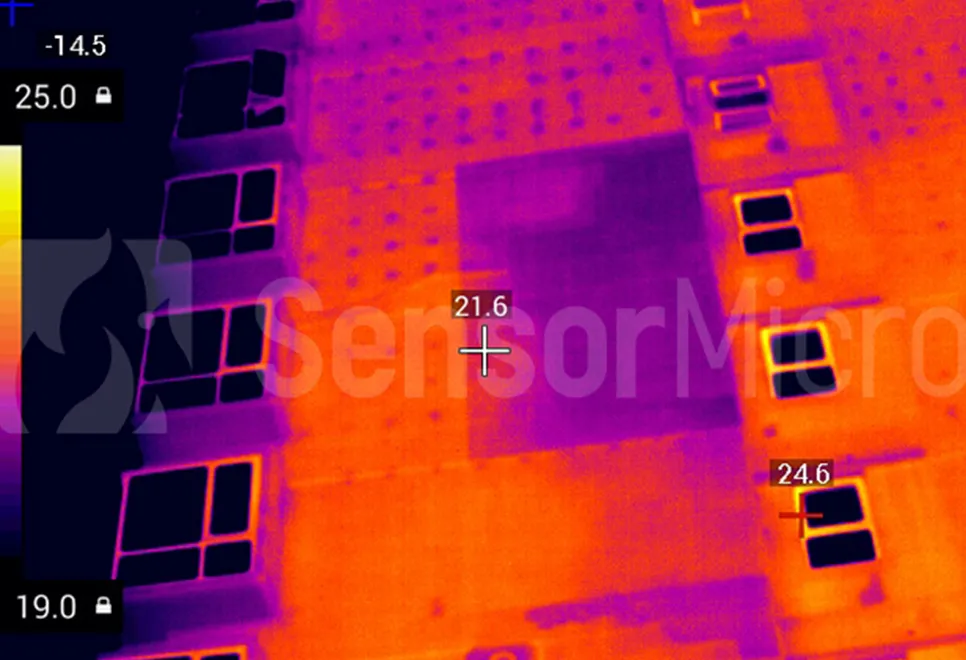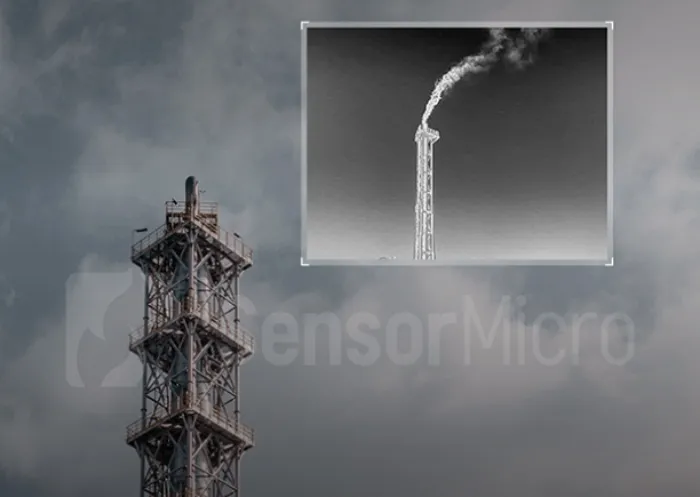
Gas leaks can be difficult to detect with conventional inspection methods. Many gases are invisible to the human eye, and even a small leak can develop into a serious safety, environmental, or economic problem if it remains undetected. Optical Gas Imaging (OGI) provides a non-contact and visual approach to gas leak detection by using infrared radiation and the unique absorption characteristics of different gas molecules.
An OGI detector is designed to detect specific gases within selected infrared wavelength bands. When a target gas absorbs infrared radiation at its characteristic wavelength, the resulting change in infrared radiation can be captured and converted into a visible image. This allows inspectors to see the location and movement of a gas leak in real time, making invisible gas emissions easier to identify and investigate. Because OGI combines remote detection, visualization, and real-time monitoring, it has become an important technology for industrial safety, environmental monitoring, and equipment inspection.
OGI for Oil and Petrochemical Facilities
The oil and petrochemical industry is one of the most important application areas for optical gas imaging. Refineries, chemical plants, storage facilities, and processing systems contain large numbers of pipes, valves, pumps, flanges, tanks, and other components that may become potential sources of gas leakage. Volatile organic compounds (VOCs) are particularly important in these environments. Various hydrocarbons and organic gases have characteristic infrared absorption features, allowing OGI technology to detect and visualize leaks without direct contact with the equipment.
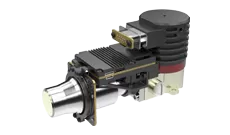
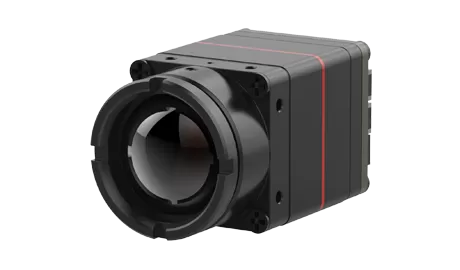
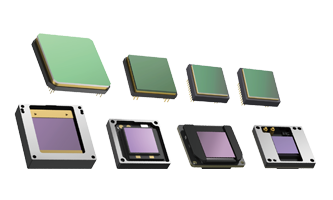
For example, SensorMicro's LFD615HZ3 gas leak detection detector is designed around the infrared absorption characteristics of VOCs and operates in the 3.2–3.5 μm wavelength range. It is designed for the detection of leakage from more than 19 types of VOC gases, providing an infrared detection solution for industrial gas inspection. With an OGI camera equipped with an appropriate detector, inspectors can scan large areas and quickly identify suspicious gas emission points. This can reduce the need for manual inspection at every individual component and help maintenance teams determine where further investigation or repair is required.
OGI for Natural Gas Production and Transportation
Natural gas production and transportation involve extensive networks of wells, pipelines, compressors, valves, storage facilities, and processing equipment. Because natural gas leaks may be difficult to see with conventional visual inspection, early detection is important for both operational safety and resource conservation. OGI technology can provide a remote method for locating potential leaks around natural gas infrastructure. Instead of waiting for a gas sensor to reach a certain concentration threshold at a fixed point, an infrared camera can scan equipment from a distance and visualize gas emissions within its field of view. This capability is especially valuable for large facilities and pipeline systems where inspectors need to cover many potential leak sources efficiently. By combining infrared imaging with appropriate gas-specific spectral detection, OGI systems can help operators identify potential leakage areas and prioritize subsequent maintenance.
OGI for Environmental and Industrial Safety
Gas leakage is not only an industrial safety issue; it can also have significant environmental implications. Certain gases released during industrial operations can contribute to atmospheric pollution, greenhouse gas emissions, or occupational exposure risks. Optical gas imaging provides a visual method for identifying gas emissions that may otherwise remain difficult to observe. For gases such as carbon dioxide (CO₂) and carbon monoxide (CO), selecting an infrared detector with an appropriate spectral response enables targeted detection based on their infrared absorption characteristics.
SensorMicro's LFD330Z6 gas leak detection detector is designed for CO₂ detection and operates in the 4.2–4.4 μm wavelength range. It is intended for scenarios involving very low-concentration CO₂ leakage and supports long-distance, non-contact, visualized detection. For CO and gases with similar absorption characteristics, SensorMicro's LFD330Z7 gas leak detection detector operates in the 4.5–4.7 μm wavelength range. Its design supports remote and non-contact leak visualization, making it suitable for wide-area inspection as well as more targeted identification of potential leakage points. These technologies can provide an additional layer of information for industrial safety inspections and environmental monitoring, particularly in applications where non-contact detection and rapid visual identification are important.
OGI for Power Equipment and SF₆ Leak Detection
Optical gas imaging also has an important role in the maintenance of high-voltage electrical equipment. Sulfur hexafluoride (SF₆) is widely used as an insulating and arc-quenching medium in gas-insulated switchgear, gas-insulated lines, and other high-voltage electrical equipment. Leakage can reduce the effectiveness of insulation systems and may indicate a problem with the equipment's sealing structure. Because SF₆ has strong infrared absorption characteristics in the long-wave infrared region, a detector with an appropriate spectral response can be used to visualize potential SF₆ leakage.
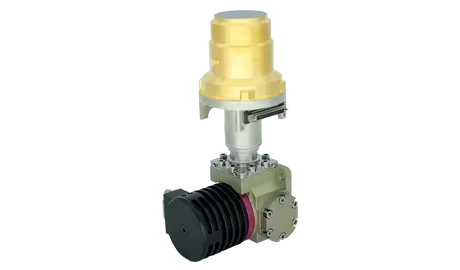
SensorMicro's LFD330C2 gas leak detection detector is based on Type-II Superlattice (T2SL) technology and operates in the 10.3–10.9 μm wavelength range. Its spectral characteristics make it suitable for gas detection applications involving SF₆, as well as gases such as ammonia and ethylene that exhibit absorption characteristics within relevant infrared bands. For power utilities, the combination of OGI technology and gas-specific infrared detectors can help inspectors examine high-voltage equipment from a safe distance while reducing the need for direct physical contact during initial leak screening.
The Future of Optical Gas Imaging
As industries place greater emphasis on operational safety, emissions monitoring, environmental protection, and predictive maintenance, the demand for efficient gas leak detection technologies continues to grow. OGI offers an important advantage by combining non-contact detection, infrared spectral selectivity, real-time visualization, and remote inspection. These capabilities make it particularly suitable for oil and gas facilities, petrochemical plants, natural gas infrastructure, power equipment, and environmental monitoring. At the detector level, advances in infrared materials, spectral response, sensitivity, and compact system design are helping make OGI cameras more capable and easier to integrate into professional inspection equipment.
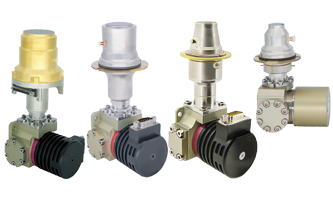
SensorMicro is developing gas detection infrared detector solutions for different spectral bands and application requirements. By combining infrared detector technology with optical gas imaging systems, these solutions can help make invisible gas emissions easier to visualize, identify, and manage. As OGI technology continues to evolve, infrared detectors will remain a critical component in the development of smarter, safer, and more efficient gas leak detection systems.


 CN
CN
 EN
EN