
Email Us
Infrared Thermal Imaging Detectors

Infrared Thermal Imaging Detector

Uncooled & Cooled Infrared Detectors
Contact Us Now

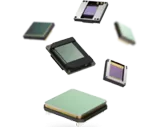
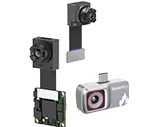
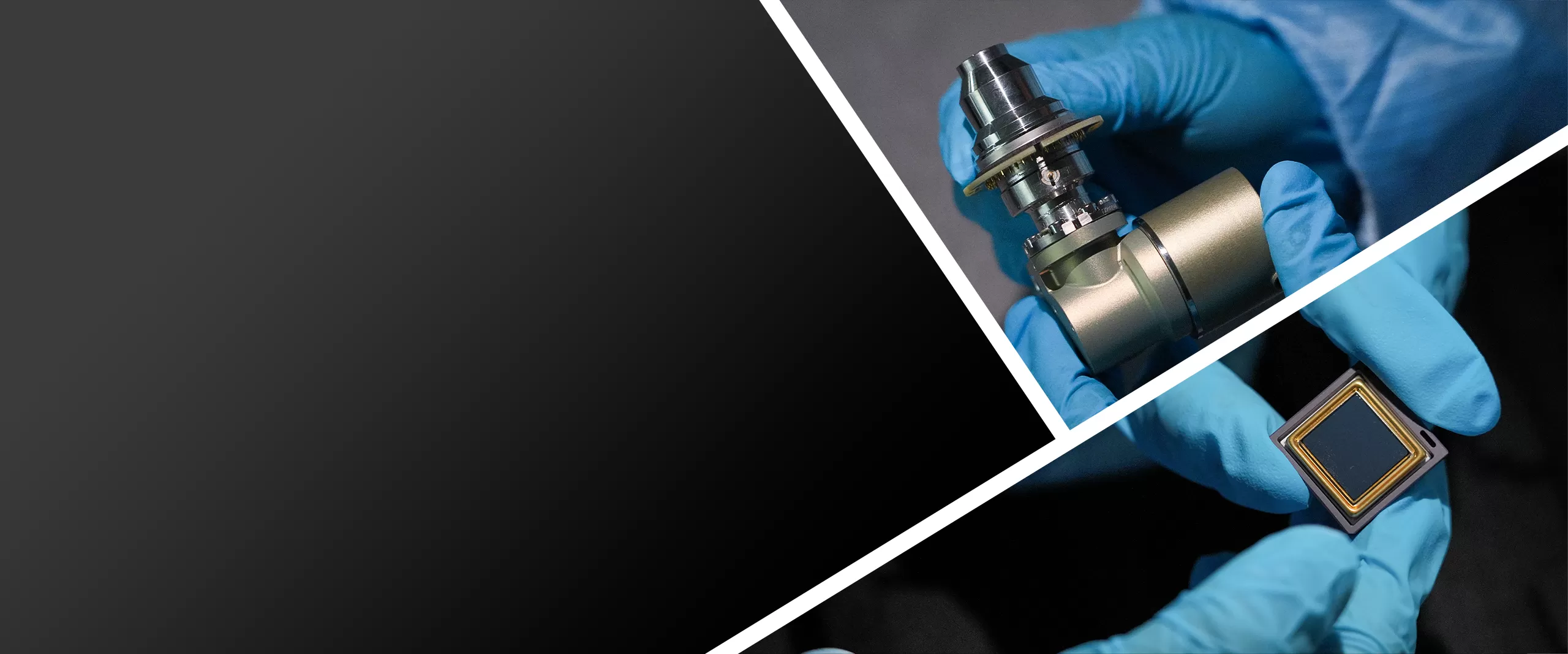
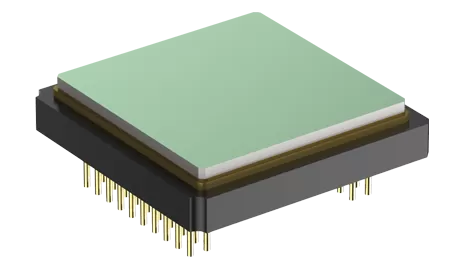
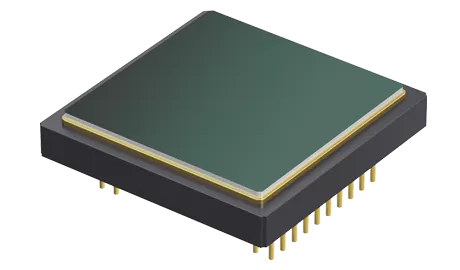
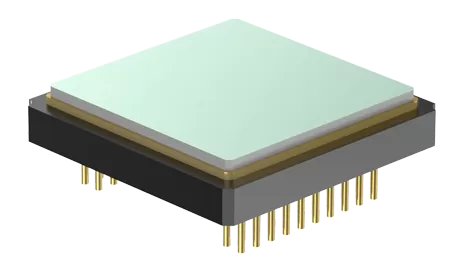
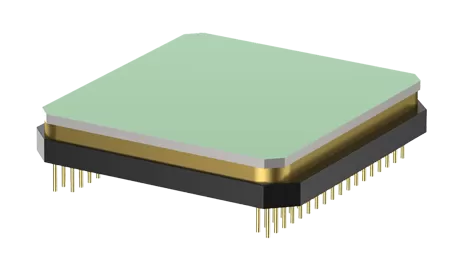
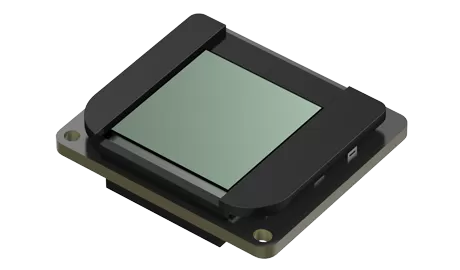
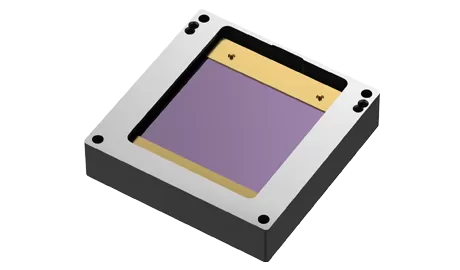
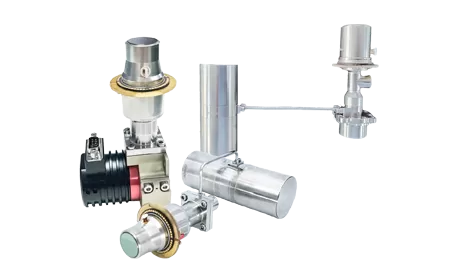
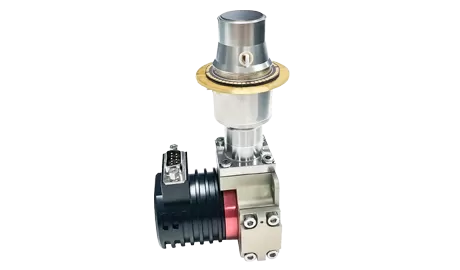
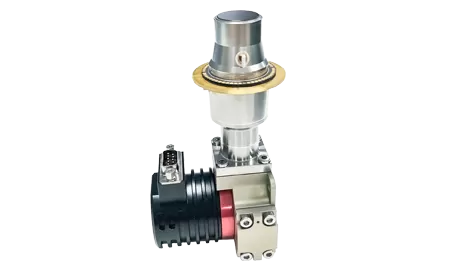
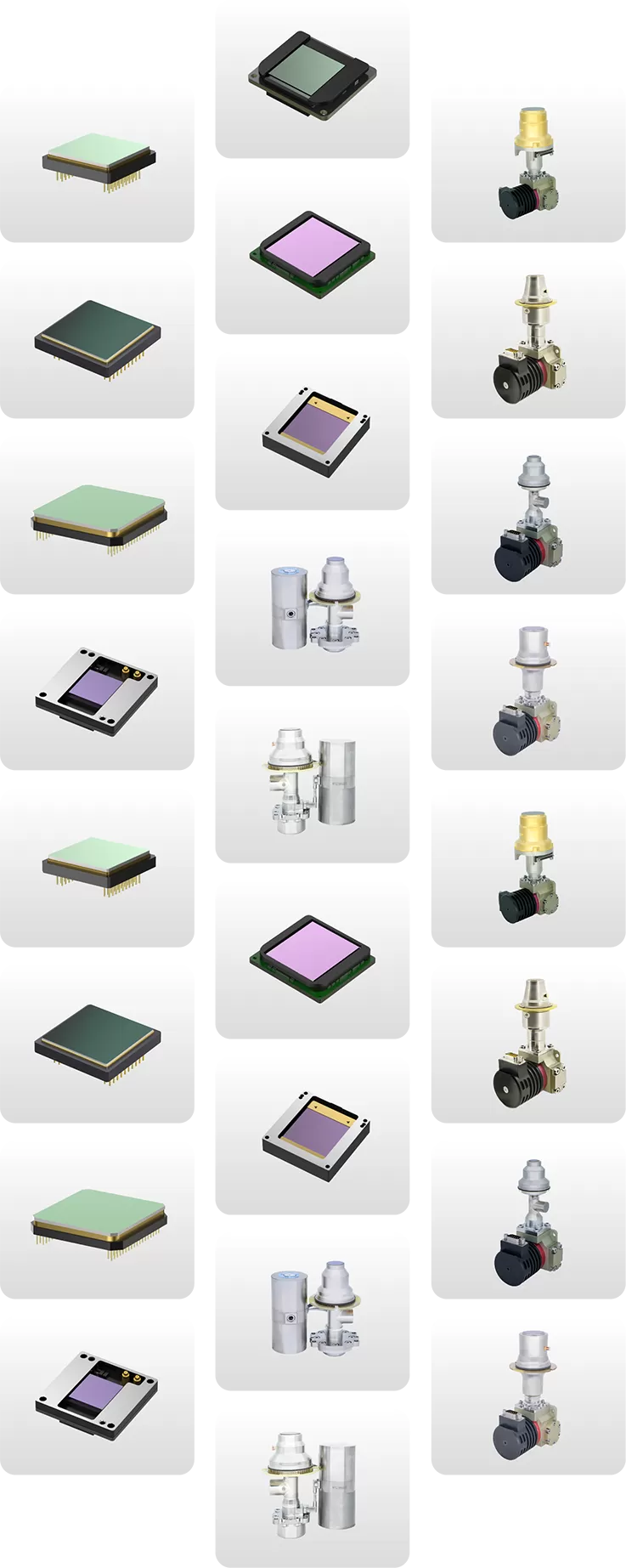
SensorMicro has built a complete product lineup covering resolutions from 400×300 to 1280×1024 and pixel sizes ranging from 8 μm to 17 μm. With both wafer-level and ceramic packaging options, our solutions meet the full spectrum of application needs — from entry-level devices to research-grade systems.

  • Pixel Size: 12μm

  • Energy Efficient:<150mW

  • Cost-effective


  • High Detection Sensitivity, Typical NETD < 30mK

  • Energy Efficient:<180mW

  • Lightweight Structure


  • Pixel Size: 12μm

  • Power Consumption:<150mW

  • Lightweight Structure

  • 1280×1024 HD Resolution

  • Pixel Size: 12μm

  • Typical NETD<35mK

View More Products
  • Wafer-Level Packaging

  • Pixel Size: 12μm

  • Cost-Effective Integration

  • Wafer-Level Packaging

  • SWaP³

  • Cost-Effective Integration

  • Pixel Size: 12μm

  • Wafer-Level Packaging

  • Cost-Effective Integration

  • 1280×1024/12μm 

  • SWaP³ Optimization

  • Wafer-Level Packaging

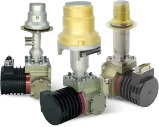
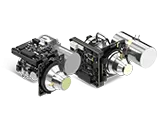
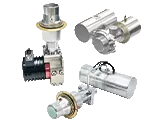
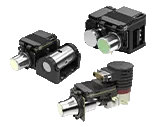
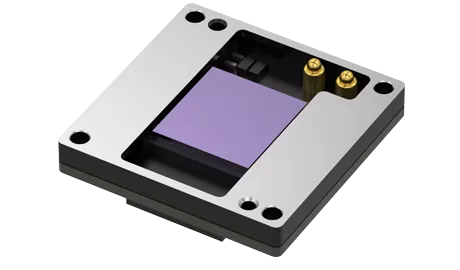
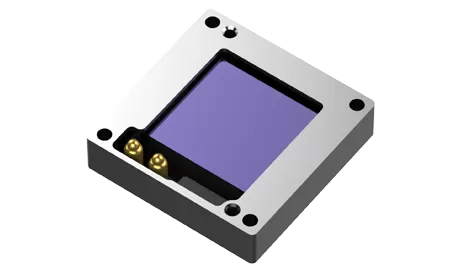
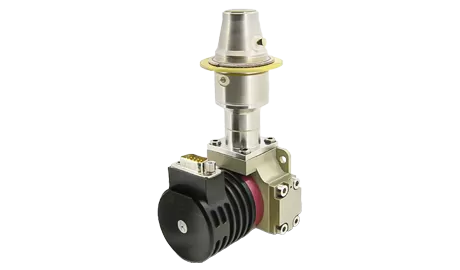
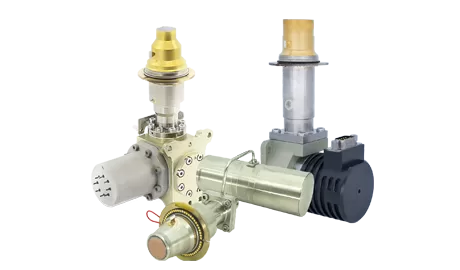
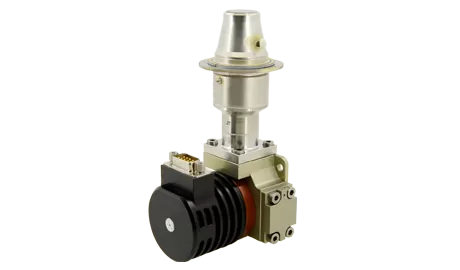
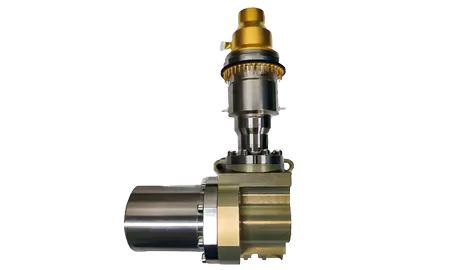
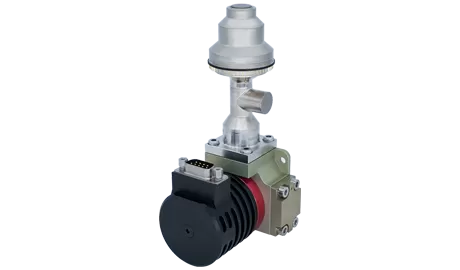
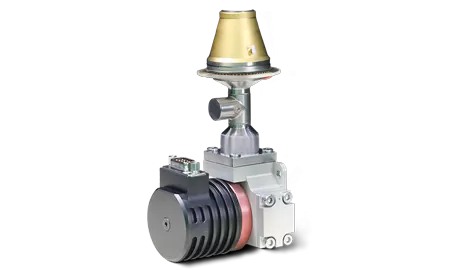
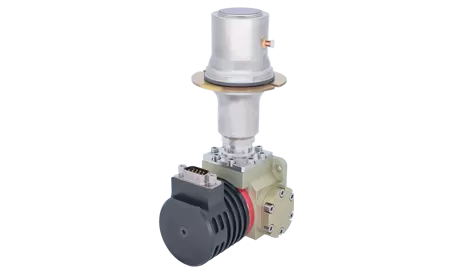
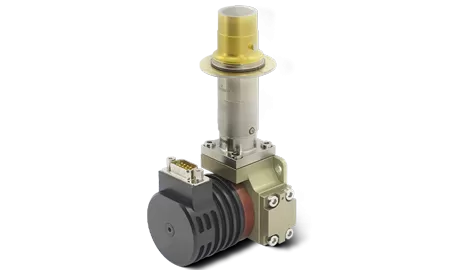
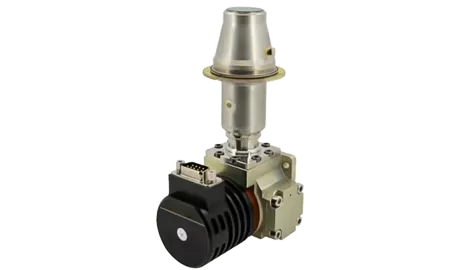
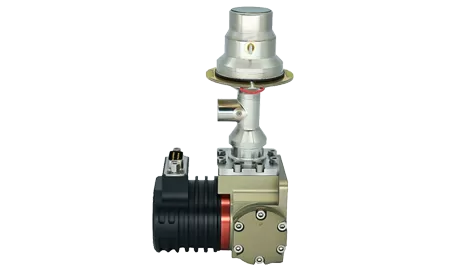
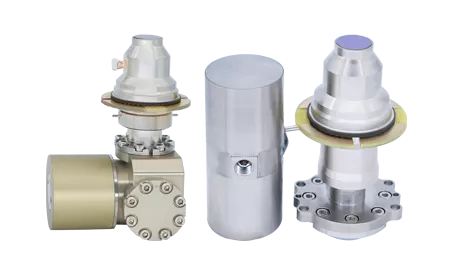
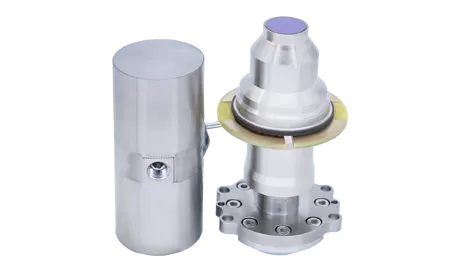
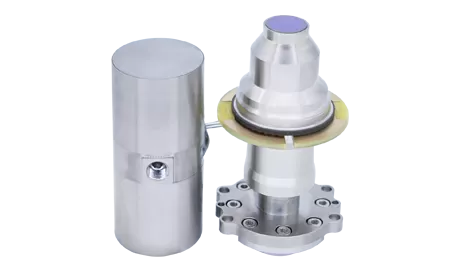
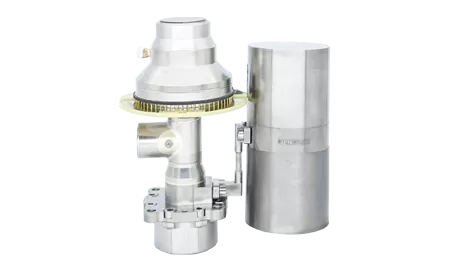
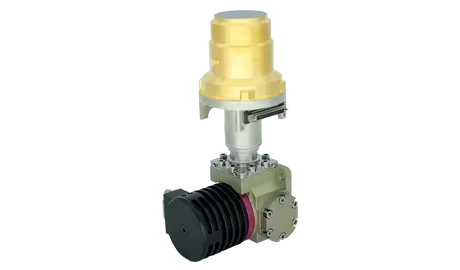
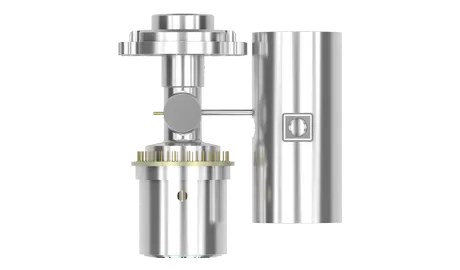
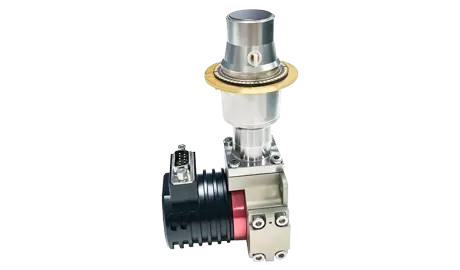
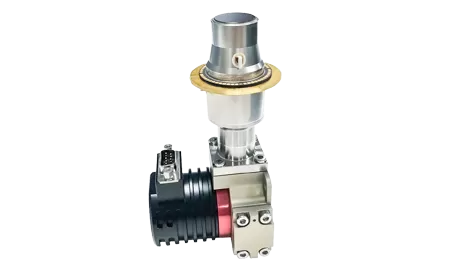
SensorMicro's cooled infrared detector product line spans MWIR, LWIR, and HOT solutions. These products are engineered for demanding applications such as remote surveillance, aerospace, and other high-end scenarios, delivering long-range and high-precision detection performance.

  • Wide Spectral Range

  • High Sensitivity

  • Customizable Configurations

  • Sharp Image Quality

  • Multiple Crycooler Options

  • High Sensitivity

  • Sharp Image Quality

  • Excellent signal-to-noise ratio

  • High Sensitivity

  • 1280×1024/7.5μm

  • Easy System Integration

  • High Versatility

View More Products
  • 1280×1024/10μm

  • Sharp Image Quality

  • Customizable F-number

  • Multiple Crycooler Options

  • Sharp Image Quality

  • Long Detection Range

  • 1280×1024/15μm

  • Sharp Image Quality

  • Plug-and-play

  • Long-Wave Detection

  • T2SL Technology

  • Immune to Interference

  • Long-Wave Detection

  • T2SL Technology

  • High Sensitivity

  • 1280×1024/10μm

  • Long-Wave Detection

  • T2SL Technology

  • Advanced HOT Technology

  • MTTF ≥ 25,000 h

  • SWaP

  • Advanced HOT Technology

  • MTTF up to 25,000 Hours

  • SWaP

  • Advanced HOT Technology

  • 1280×1024/7.5μm

  • MTTF up to 25,000 Hours

  • Advanced HOT Technology

  • 1280×1024/10μm

  • MTTF up to 25,000 Hours

  • 2560×2048/10μm

  • Advanced HOT Technology

  • SWaP

  • Multi-Gas Leak Detection

  • Advanced HOT Technology

  • SWaP³

  • VOCs Leak Detection

  • Multi-Scenario Adaptability

  • Linear Cryocooler

  • Excellent Flame Penetration Capability

  • Multi-Platform, Wide Compatibility

  • High Sensitivity

  • CO₂ Leak Detection

  • MTTF≥10,000h

  • Flexible Platform

  • Designed for CO Leak

  • MTTF ≥ 10,000h

  • Rich Interfaces, Easy Integration

  • LWIR, Focused on SF₆ / NH₃

  • High Sensitivity

  • MTTF ≥ 8,000 h

Why Choose Our Thermal Imaging Detectors?

MORE: More Series, More Forms

Backed by Guide's Infrared's solid foundation in the complete process chain - from raw material processing to system integration of infrared core components - we deliver full-spectrum solutions:

From uncooled to cooled
From small array to megapixel
From single-band to multi-band

As the "eyes" of infrared equipment, our full series of infrared detectors are fully traceable to the source.

Why Choose Our Thermal Imaging Detectors?

Compare Uncooled vs. Cooled Thermal Detectors

FeatureUncooled DetectorsCooled Detectors
Operating PrincipleUse microbolometers or thermopiles; detect temperature-induced resistance/capacitance changes.Use cryogenic cooling to reduce thermal noise; detect infrared photons directly.
Cooling RequirementNo cooling needed, works at ambient temperature.Requires cryogenic cooling.
Size & WeightSmaller, lighter, more compact modules.Bulkier, heavier due to cooling system.
CostTypically LWIR (8-14 μm).MWIR(3-5 μm), LWIR(8-14 μm), or multi-band.
Durability & ReliabilityMore rugged, longer operational lite, less maintenance.Shorter lifetime (cooler wear), highet maintenance.
Power ConsumptionLow power consumption, suitable for portable devices.High power consumption due to Cryocooler.


What to Consider When Selecting Thermal Imaging Detectors?

Key Technical Considerations for Thermal Imaging Detectors

When selecting a thermal imaging detector, several technical parameters should be carefully evaluated. 


  • Resolution and pixel pitch determine image clarity and detail.

  • Frame rate affects the ability to capture moving targets.

  • Spectral range (LWIR, MWIR, or multispectral) must align with your application requirements.

  • And sensitivity (NETD) indicates how well the detector can resolve subtle temperature differences.

  • SWaP (size, weight, and power) is essential for integration into compact or mobile platforms such as UAVs.

  • Equally important are interface compatibility for smooth system integration and environmental adaptability to ensure reliable performance in challenging conditions.


Choosing the Right Detector for Each Application
Find the Best Solution

Frequently Asked Questions About Thermal Imaging Detectors

What is infrared imaging?

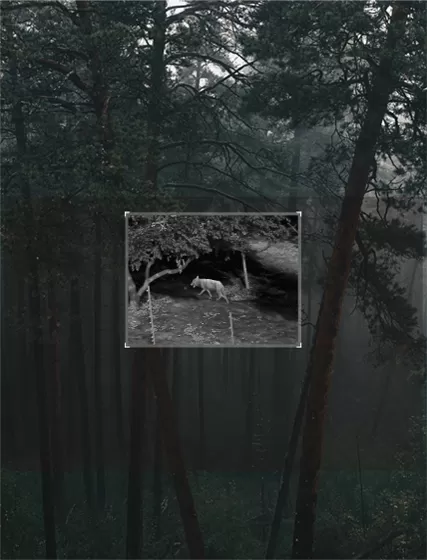
Infrared imaging, also called thermal imaging, captures heat radiation instead of visible light. It allows users to see temperature differences and visualize heat patterns that are invisible to the naked eye.

What is a thermal imaging detector?

What can infrared cameras detect?

What are thermal imaging detectors used for?

What is the difference between uncooled and cooled detectors?

What is infrared wavelength range?

How do I choose the right thermal imaging detector?

Find the Best Solution
Reach Our Experts
Ready to find the right thermal imaging solution?
We use cookies to offer you a better browsing experience, analyze site traffic and personalize content. Part of the tracking is necessary to ensure SEO effectiveness,
By using this site, you agree to our use of cookies. Visit our cookie policy to learn more.

Reject Accept